
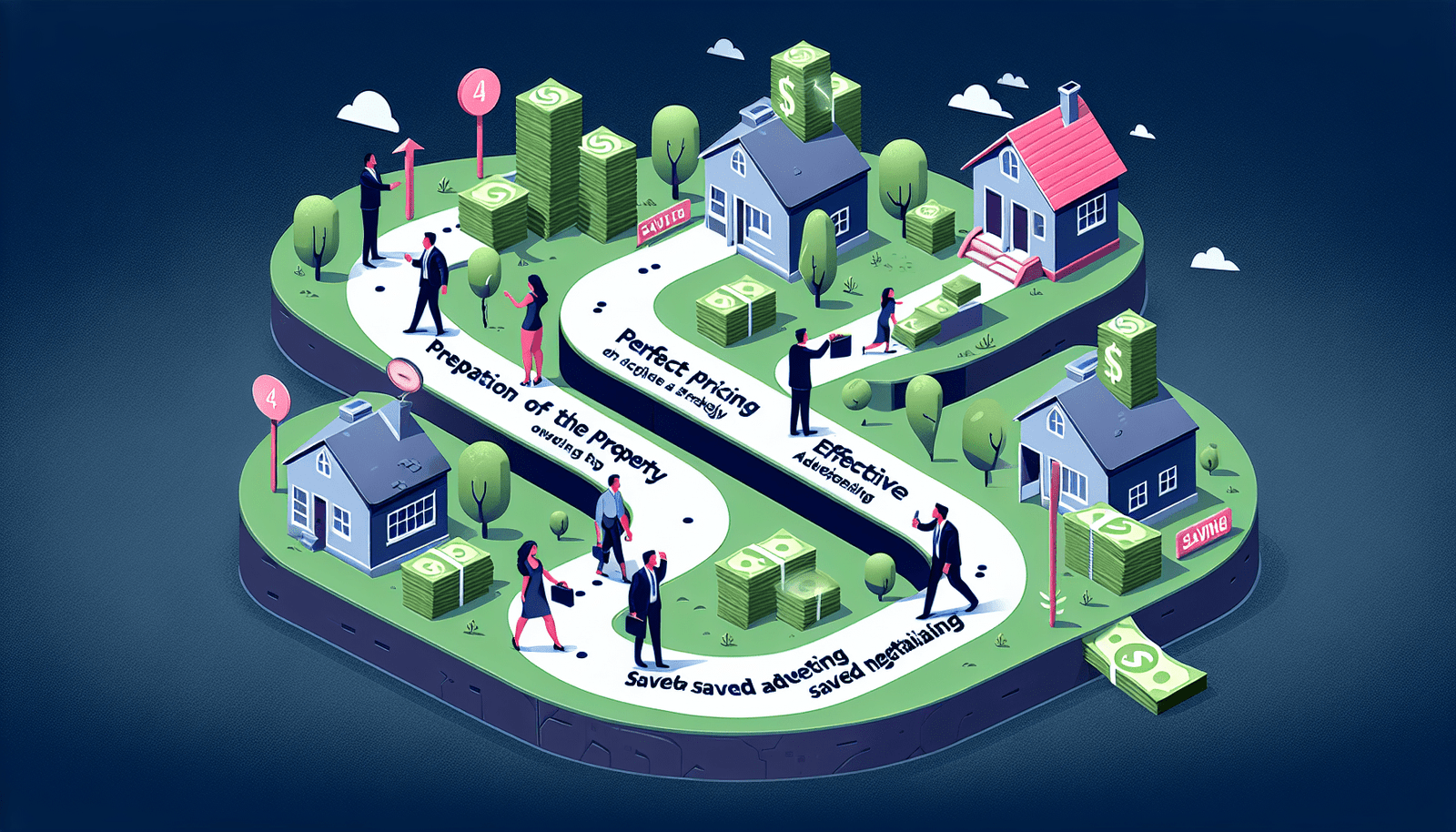
How to Sell Property Without an Agent: A Step-by-Step Guide
Are you thinking of selling your property without the help of an agent? Look no further! Our step-by-step guide will walk you through the process and ensure that you have all the information you need to successfully sell your property. From providing comprehensive details about your property to targeting the right audience, we’ve got you covered. We’ll also discuss important strategies and tips for sellers, including staging, pricing, and leveraging online platforms. Don’t miss out on valuable insights about legal and financial considerations. Selling your property without an agent has never been easier!
Selling property without an agent can seem daunting, but with the right approach and strategies, it can be a successful and rewarding experience. In this comprehensive guide, we will walk you through the step-by-step process of selling your property without an agent, ensuring that you have all the information and tools you need to achieve a successful sale. Let’s dive in!

Determining the Type of Property
When selling your property, it is important to specify the type of property involved. Whether it is a residential home, a commercial building, a vacation property, or an investment real estate, providing this information upfront allows potential buyers to quickly understand the nature of the property. Additionally, highlighting the unique features of the property, such as its location, architecture, history, and amenities, can greatly influence buyer interest and ultimately the value of your property. By emphasizing what makes your property stand out, you can capture the attention of potential buyers and increase your chances of a successful sale.
Including Relevant Keywords
To optimize your content for search visibility and attract potential buyers, it is important to include relevant keywords throughout your listing. Mentioning the brand names of high-end appliances or materials used in the property adds an element of luxury and quality. If your property was designed by a reputable architect or builder, be sure to mention their name as it can add credibility and intrigue to the listing. Moreover, highlighting the proximity of your property to landmark locations or desirable community features, such as being within walking distance to Central Park or featuring Bosch appliances, can be a selling point for potential buyers.
Identifying the Target Market
Understanding the target market for your property is crucial in tailoring your content to resonate with their interests and needs. Are you targeting first-time homebuyers, luxury property investors, or commercial real estate developers? By defining your target audience, you can create content that speaks directly to their preferences and desires. For example, if targeting luxury property investors, emphasize the high-end features and amenities of your property. On the other hand, if targeting first-time homebuyers, focus on affordability, convenience, and the potential for future growth. By understanding your audience, you can effectively connect with potential buyers and increase the chances of a successful sale.
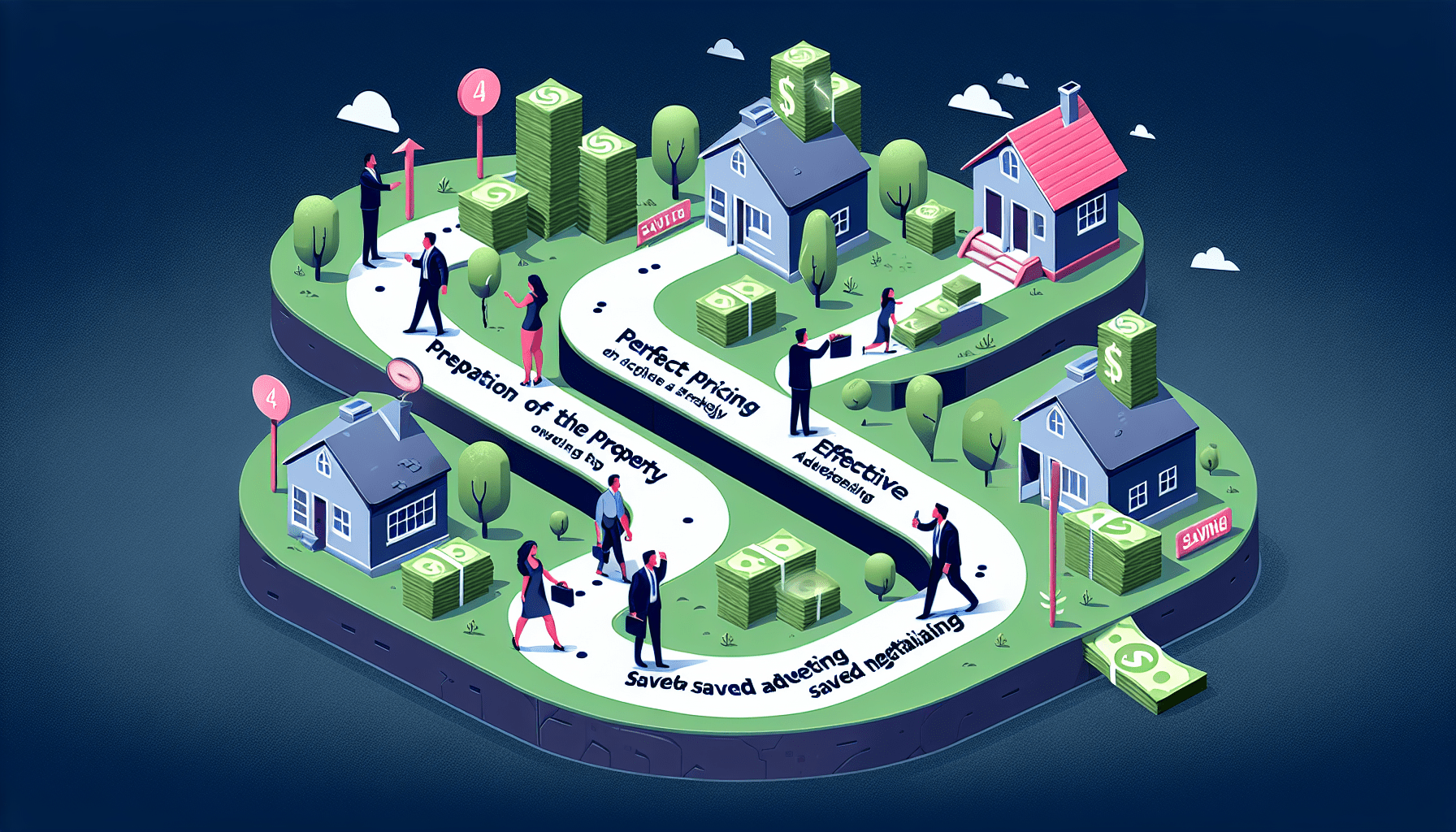
Staging the Property
First impressions matter, especially when selling a property. To ensure your property appeals to potential buyers, it is essential to stage it effectively. Start by cleaning and decluttering the property, creating a fresh and inviting atmosphere. Remove personal items and neutralize the decor to allow potential buyers to envision themselves in the space. This can involve repainting walls in neutral tones and removing excessive decorations. Additionally, highlight the property’s best features, such as stunning views, spacious rooms, or unique architectural details. Consider hiring a professional stager who can expertly showcase your property’s potential and create an appealing environment for potential buyers.
Pricing Strategies
Determining the right price for your property requires careful consideration of various factors. Researching comparable properties in the area can provide insight into the market value of similar properties. Consider market conditions and demand, as these can influence pricing strategies. Setting a competitive and attractive price can generate interest and multiple offers, increasing the likelihood of a successful sale. Keep in mind that being open to negotiation can also lead to a satisfactory outcome for both parties. By pricing your property strategically, you can maximize interest and attract potential buyers.
Importance of Professional Photography
In today’s digital age, high-quality photography is essential in capturing the attention of potential buyers. Hiring a professional photographer who specializes in real estate photography can make a significant difference in how your property is perceived online. Professional photographers have the expertise to capture your property’s best angles, lighting, and overall aesthetic. They can effectively showcase your property’s unique characteristics, such as architectural details, luxurious finishes, or stunning outdoor spaces. Utilizing appealing and well-lit photos in your marketing materials can generate interest and attract potential buyers, increasing the chances of a successful sale.
Leveraging Online Platforms
Online platforms offer a powerful way to reach a broad audience of potential buyers. Listing your property on popular real estate websites can significantly increase its visibility. When creating your listing, make sure to include detailed descriptions, highlighting the unique features and advantages of your property. Include attractive and professionally taken photos that showcase the property’s best qualities. Moreover, don’t forget to include your contact information so that interested buyers can easily reach out. Responding promptly to inquiries and scheduling showings is essential in keeping potential buyers engaged and moving forward in the buying process.
Maximizing Market Reach
Beyond online platforms, social media can be a valuable tool for promoting your property to a wider audience. Create dedicated property profiles or pages on platforms such as Facebook, Instagram, or LinkedIn to showcase your property and generate interest. Utilize targeted advertising options available on these platforms to reach potential buyers who fit your target market. Networking with real estate professionals and industry contacts can also expand your market reach through referrals and collaborations. By maximizing your market reach, you increase the chances of finding the right buyer for your property.
Legal and Financial Considerations
Navigating the legal and financial aspects of selling a property can be complex. It is crucial to understand the tax implications of selling your property and consult with a tax professional if needed. Additionally, be aware of the closing costs and fees involved in the transaction, as they can impact your overall proceeds from the sale. Address any inspection contingencies and necessary repairs to ensure a smooth process and avoid potential complications. Considering consulting with a real estate attorney who can guide you through the legal aspects of the transaction and ensure all necessary paperwork is in order.
Negotiating and Finalizing the Sale
When offers start coming in, it is important to carefully review and respond to each one. Negotiate terms that work for both parties and create a win-win situation. Once terms are agreed upon, review and sign the purchase and sale agreement, which outlines the terms and conditions of the transaction. Coordinate the necessary paperwork and documentation, such as property transfer documents and financing arrangements. Finally, arrange for the property transfer and closing, ensuring that all legal requirements are met and the transaction is completed smoothly.
Selling a property without an agent can be a rewarding experience if you approach it with the right strategies and mindset. By understanding your target market, effectively staging your property, pricing it competitively, utilizing professional photography, leveraging online platforms, and considering legal and financial considerations, you can increase your chances of a successful sale. Remember to be open to negotiation and seek professional guidance when needed. With careful planning and execution, you can sell your property without an agent and achieve your desired outcome. Good luck!