
Key Considerations When Selling Property Without an Agent
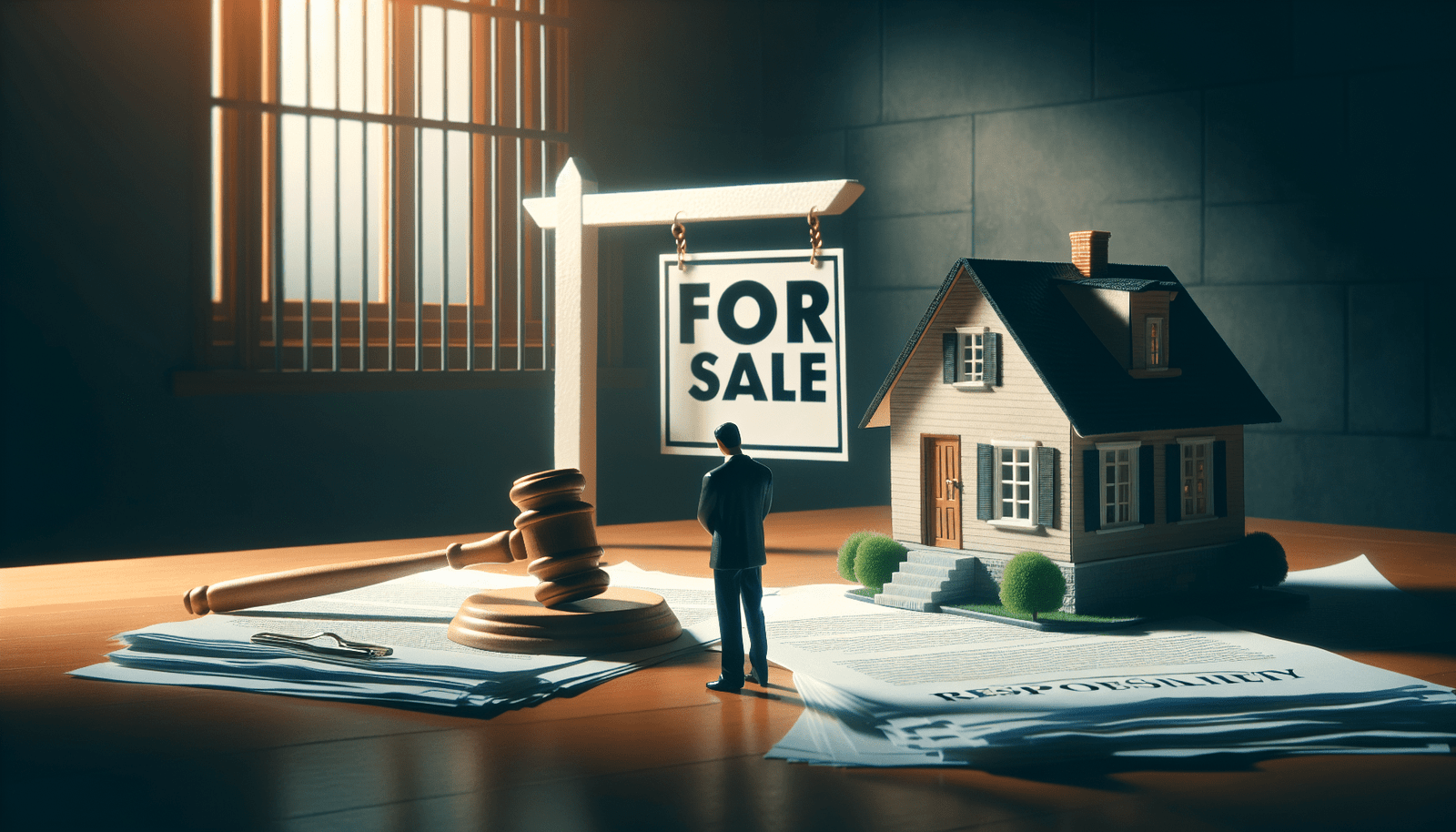
When selling property without an agent, there are several key considerations that you should keep in mind to ensure a successful transaction. First and foremost, it is crucial to provide comprehensive details about the property you are selling, including its type, unique features, and amenities that can attract potential buyers. Additionally, incorporating relevant keywords throughout your article can increase search visibility and engage the right audience. Understanding your target market is also essential, as it allows you to tailor your content to their specific interests and needs. Offering strategies and tips for sellers, such as staging the property and leveraging online platforms, can further enhance your chances of a successful sale. Lastly, addressing the legal and financial aspects of property transactions can provide valuable insights to potential sellers. So, if you’re considering selling your property without an agent, keep these key considerations in mind to maximize your chances of a successful outcome.
The Benefits of Selling Without an Agent
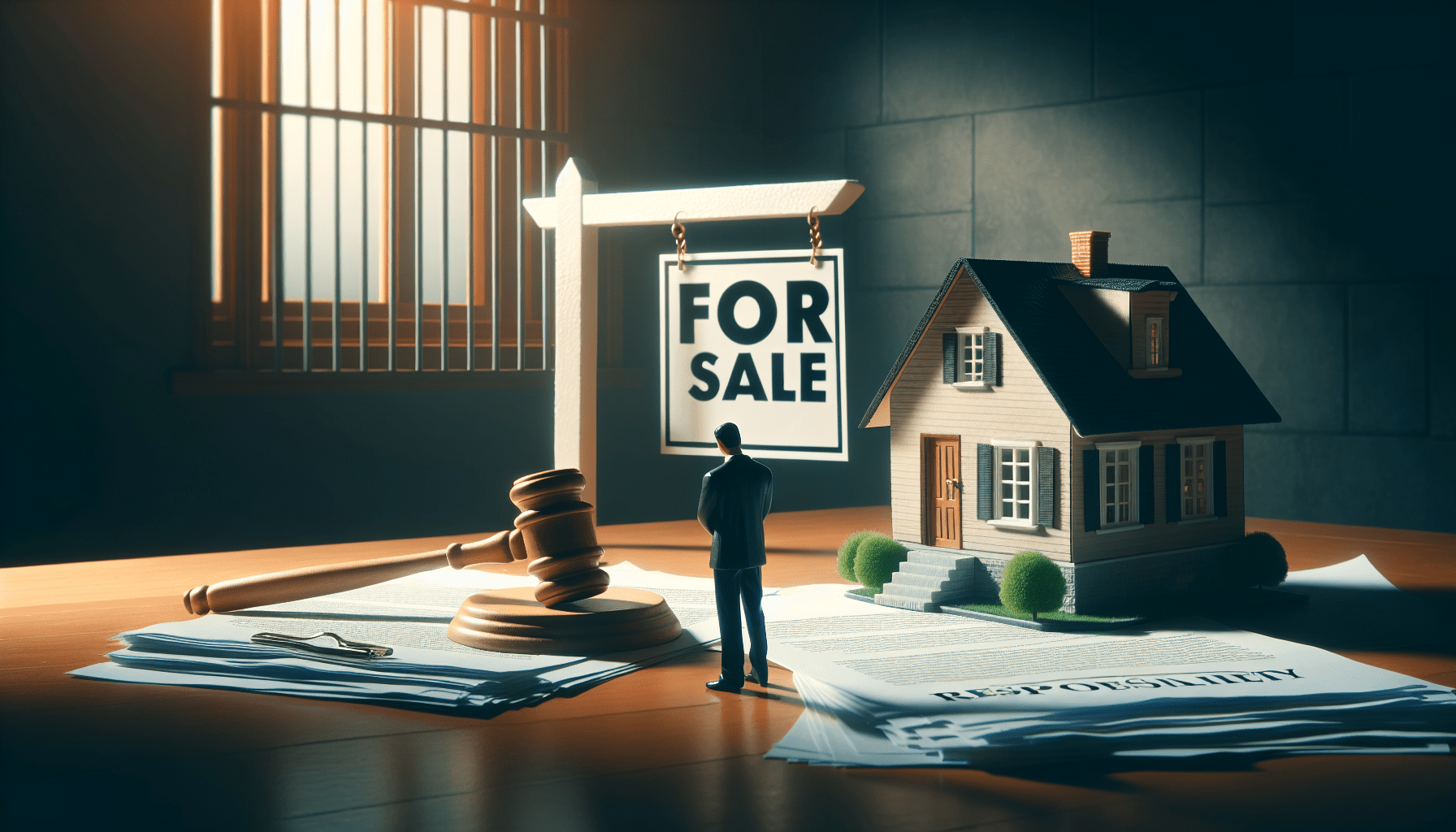
Selling your property without the help of a real estate agent can offer numerous benefits. By taking on the tasks and responsibilities typically handled by an agent, you gain independence and control over the entire selling process. Additionally, you have the opportunity to save on the costs associated with hiring an agent. Selling without an agent also allows you to personalize your marketing efforts to attract potential buyers. Lastly, you have the flexibility to set your own timeline and speed up the selling process.
Independence and Control
When you choose to sell your property without an agent, you have the freedom to make all the decisions yourself. You are in complete control of the entire process, from setting the asking price to negotiating offers. This independence allows you to tailor your selling strategy to your specific needs and preferences. You can choose the marketing channels that best suit your property and target audience, and you have the flexibility to make adjustments as needed throughout the process.
Cost Savings
One of the most significant benefits of selling without an agent is the opportunity to save on costs. Real estate agents typically charge a commission fee based on a percentage of the final sale price. By eliminating this commission fee, you can potentially save a significant amount of money. These savings can be used for other purposes, such as home improvements or investments. It’s important to note that while you save on the commission fee, you will still have some expenses, such as marketing and legal fees, but they are generally lower compared to agent commissions.
Personalized Marketing
When you sell without an agent, you have the freedom to create a personalized marketing strategy for your property. You can showcase the unique features and qualities of your property in a way that resonates with potential buyers. By understanding your target market, you can tailor your marketing efforts to appeal to their specific interests and preferences. This personalized approach can help attract more qualified buyers and increase the likelihood of a successful sale.
Flexibility and Speed
Selling without an agent gives you the flexibility to set your own timeline and control the speed of the selling process. You are not bound by the schedules and timelines of an agent or potential buyers. This flexibility can be particularly advantageous if you have a specific deadline or if you want to sell quickly. You can also make adjustments to your strategy on the fly, such as lowering the price or organizing open houses, to generate more interest and speed up the selling process.
Researching the Market
Before listing your property for sale, it is essential to research the market to understand its potential value and current conditions. This research will help you make informed decisions regarding pricing, marketing, and negotiation strategies.
Determine Property Value
To determine the value of your property, consider factors such as its location, size, condition, and recent sales of similar properties in the area. You can use online tools, consult with real estate professionals, or hire a licensed appraiser to get an accurate estimate. Understanding the value of your property will help you set a competitive asking price and attract potential buyers.
Analyze Comparable Sales
Comparables, or “comps,” are recent sales of similar properties in your area. Analyzing these sales will give you a better idea of the current market conditions and help you set an appropriate asking price. Look for properties that are similar in size, location, and condition to get the most accurate comparison. Consider both the sale prices and the time it took for these properties to sell.
Understand Local Market Conditions
In addition to analyzing comparable sales, it is crucial to have a good understanding of the local market conditions. Are there more buyers than sellers in your area? Is it a buyer’s market or a seller’s market? Are there any unique factors influencing the local real estate market? This information will help you adjust your selling strategy accordingly and make informed decisions throughout the process.
Preparing and Staging the Property
Before listing your property, it is essential to prepare and stage it to make a positive impression on potential buyers. A well-prepared property can attract more interest and potentially lead to a higher sale price.
Cleaning and Decluttering
Start by thoroughly cleaning the property, both inside and out. Remove any clutter and personal items to create a clean and neutral space that allows potential buyers to visualize themselves living in the property. Pay attention to every room, including closets, bathrooms, and the kitchen.
Repairs and Maintenance
Address any necessary repairs or maintenance issues before listing your property. Consider hiring professionals to inspect and fix any major issues that could deter potential buyers. Minor repairs, such as fixing leaky faucets or replacing light bulbs, can also make a big difference in the overall appearance and functionality of your property.
Professional Staging
Consider hiring a professional stager to showcase your property in the best possible light. A stager can arrange furniture, add tasteful decor, and create inviting spaces that appeal to potential buyers. Staging can help highlight the property’s features, improve its visual appeal, and create an emotional connection with buyers.
Enhancing Curb Appeal
First impressions matter, so pay attention to the exterior of your property. Enhance the curb appeal by tidying up the landscaping, adding fresh plants or flowers, and repainting the front door if needed. Make sure the entrance and pathways are clean and well-maintained.

Pricing Strategies
Setting the right price for your property is crucial to attract potential buyers and maximize your chances of a successful sale. Consider the following pricing strategies to position your property competitively in the market.
Comparative Market Analysis
Perform a comparative market analysis (CMA) to determine the fair market value of your property. A CMA involves analyzing recent sales of similar properties in your area and adjusting for any unique features or differences. This analysis will help you understand the current market conditions and set a realistic asking price.
Setting an Attractive Price
Consider setting an attractive price to generate interest and potentially attract multiple offers. While it may be tempting to overprice your property to leave room for negotiation, it can deter potential buyers. Research the market, consult with professionals, and consider setting a competitive price that reflects the value of your property.
Considering Negotiation Room
When setting your asking price, consider leaving room for negotiation. Buyers may want to negotiate the price, and having some flexibility can help facilitate the negotiation process and potentially lead to a successful sale. However, make sure not to set the price too high, as it may discourage potential buyers from making an offer.
Marketing and Promotion
To attract potential buyers, it is essential to implement an effective marketing and promotion strategy. Utilize various channels and techniques to maximize your property’s exposure and generate interest.
Professional Photography
Invest in professional photography to showcase your property in the best possible light. High-quality photos can significantly impact a buyer’s perception and interest in your property. Hire a professional photographer who specializes in real estate to capture the unique features and essence of your property.
Compelling Listing Description
Craft a compelling listing description that highlights the unique features, amenities, and selling points of your property. Use persuasive language and provide detailed information to capture potential buyers’ attention. Include important details such as the number of bedrooms and bathrooms, square footage, and any recent upgrades or renovations.
Online Platforms and Websites
Leverage online platforms and websites to reach a broader audience of potential buyers. List your property on popular real estate websites, such as Zillow, Trulia, or Realtor.com. Consider creating a dedicated website or landing page for your property, where you can provide additional information and showcase more photos and virtual tours.
Social Media Marketing
Harness the power of social media to market your property. Create engaging posts and share high-quality photos or videos of your property across various social media platforms such as Facebook, Instagram, and LinkedIn. Consider targeting specific demographics or interest groups relevant to your property to maximize visibility.
Open Houses and Showings
Organize open houses and private showings to allow potential buyers to see your property in person. Create a welcoming and inviting environment, and be prepared to answer any questions or address concerns. Consider hosting virtual open houses or providing virtual tours for buyers who may not be able to attend in person.
Negotiating and Accepting Offers
Negotiating offers and accepting the right one is a crucial step in the selling process. Follow these guidelines to navigate the negotiation process successfully.
Guidelines for Negotiations
Establish clear guidelines for negotiations to ensure a fair and productive process. Determine your desired outcome and set boundaries regarding price, contingencies, and timeline. Be prepared to compromise but also know your bottom line and stand firm on essential terms.
Evaluating and Responding to Offers
Carefully evaluate each offer received, taking into consideration the offer price, contingencies, financing terms, and any additional requests or conditions. Consider seeking advice from a real estate attorney or consultant to help you evaluate the offers objectively. Respond promptly to offers, either accepting, rejecting, or making a counteroffer.
Considering Multiple Offers
If you receive multiple offers, carefully consider each one and compare the terms and conditions. Take into account factors such as the buyer’s financing strength, contingencies, and proposed closing timeline. Consider consulting with professionals who can help you analyze and negotiate multiple offers effectively.
Legal and Financial Considerations
Selling a property involves various legal and financial considerations. Ensure you understand and address these aspects to protect your interests and comply with legal requirements.
Consultation with Real Estate Attorney
Consider consulting with a real estate attorney to guide you through the legal aspects of selling your property. An attorney can review contracts, provide legal advice, and ensure all necessary disclosures and documents are completed accurately.
Understanding Tax Implications
Understand the tax implications of selling your property. Consult with a tax professional or accountant to determine any potential capital gains taxes or other tax obligations resulting from the sale. Understanding these implications in advance will help you plan accordingly and avoid any surprises.
Disclosure Requirements
Familiarize yourself with the disclosure requirements in your jurisdiction. You are generally required to disclose any known material defects or issues that may affect the value or desirability of your property. Work with your attorney to ensure you comply with all necessary disclosure requirements.
Closing Costs
Consider the closing costs associated with selling your property. These costs typically include title fees, attorney fees, recording fees, and any outstanding liens or mortgage balances. Work with your attorney or consult with a local real estate professional to determine the estimated closing costs.
Inspection Contingencies
Be prepared for potential inspection contingencies in the sales process. Buyers may request inspections to ensure the property is in good condition. Address any necessary repairs or negotiate with the buyer regarding the repairs or credits. Understanding and accommodating inspection contingencies can help facilitate a smooth closing process.
Managing the Closing Process
The closing process involves several important steps and coordination with various parties. Properly manage the closing process to ensure a successful and timely closing.
Reviewing the Purchase and Sale Agreement
Thoroughly review the purchase and sale agreement before signing. Understand the terms and conditions, contingencies, and timelines outlined in the agreement. If necessary, consult with your attorney to ensure your rights and interests are protected.
Coordinating with Escrow and Title Companies
Work closely with the escrow and title companies involved in the transaction. Provide any necessary documentation and information promptly to facilitate a smooth closing process. Address any potential title issues or concerns to ensure a clear and marketable title.
Facilitating Property Inspections
Coordinate and facilitate any remaining property inspections required as part of the sales process. Allow access to the property for inspectors and ensure necessary repairs or credits are addressed promptly. Clear communication with the buyer and their representatives is crucial during this stage.
Addressing Appraisal and Financing
Address any appraisal or financing issues that may arise during the closing process. If the property does not appraise at the agreed-upon value or if the buyer encounters financing challenges, be prepared to negotiate or find alternative solutions. Flexibility and open communication can help overcome potential hurdles.
Handling Paperwork and Documentation
Properly handle the necessary paperwork and documentation to ensure a smooth and legally compliant transaction.
Transfer of Title and Deed
Work with your attorney or title company to prepare the necessary documents for the transfer of title and deed. Ensure all necessary signatures and notarizations are obtained to complete the transfer legally. Follow the specific requirements and procedures of your jurisdiction.
Disclosures and Legal Forms
Prepare and provide any required disclosures or legal forms accurately and in a timely manner. These may include lead paint disclosures, property condition disclosures, or other local or state-mandated forms. Consult with your attorney to ensure compliance with all necessary documentation.
Notarization and Recordation
Notarize and record any required documents with the appropriate authorities. This step finalizes the sale and provides a public record of the transaction. Follow the specific requirements and procedures of your jurisdiction to ensure a legally binding and recorded transaction.
Post-Sale Responsibilities
After completing the sale, there are several post-sale responsibilities to address. Properly handle these tasks to ensure a smooth transition.
Canceling Utilities and Services
Contact the utility companies and service providers to cancel or transfer services to the new owner. This may include electricity, water, gas, internet, and any other services associated with the property. Ensure a smooth transition to avoid any unnecessary charges or service disruptions.
Transferring Homeowners’ Association Memberships
If your property is part of a homeowners’ association (HOA), follow the necessary steps to transfer the membership and responsibilities to the new owner. Communicate with the HOA and provide any required documentation or information to complete the transfer process.
Final Walk-Through and Key Exchange
Coordinate a final walk-through with the buyer to ensure the property is in the agreed-upon condition. Address any outstanding items or concerns raised during the walk-through. Once everything is in order, exchange the keys and officially hand over the property to the new owner.
Selling your property without an agent can be a rewarding and fulfilling experience. By following these guidelines and taking a proactive approach to the selling process, you can successfully navigate the complexities of selling property and achieve your desired outcome. Remember to seek professional advice when necessary and stay organized throughout the process. With careful planning and execution, you can sell your property with confidence and achieve a successful sale.