
Marketing Your Property for Sale Without an Agent
When it comes to selling your property without the help of an agent, there are a few key things to keep in mind. First, make sure you provide detailed information about your property, including its type, unique features, and amenities. This will help attract potential buyers and increase the value of your property. Additionally, incorporating relevant keywords throughout your article can help improve its search visibility. It’s also important to consider your target market and tailor your content to their specific interests and needs. Finally, don’t forget to include strategies and tips for sellers, such as staging the property and leveraging online platforms. By following these guidelines, you can successfully market your property without an agent and achieve your desired results.

Choosing the Right Marketing Channels
When it comes to selling your property without an agent, choosing the right marketing channels is crucial. Here are a few effective strategies to consider:
Use Online Listing Platforms
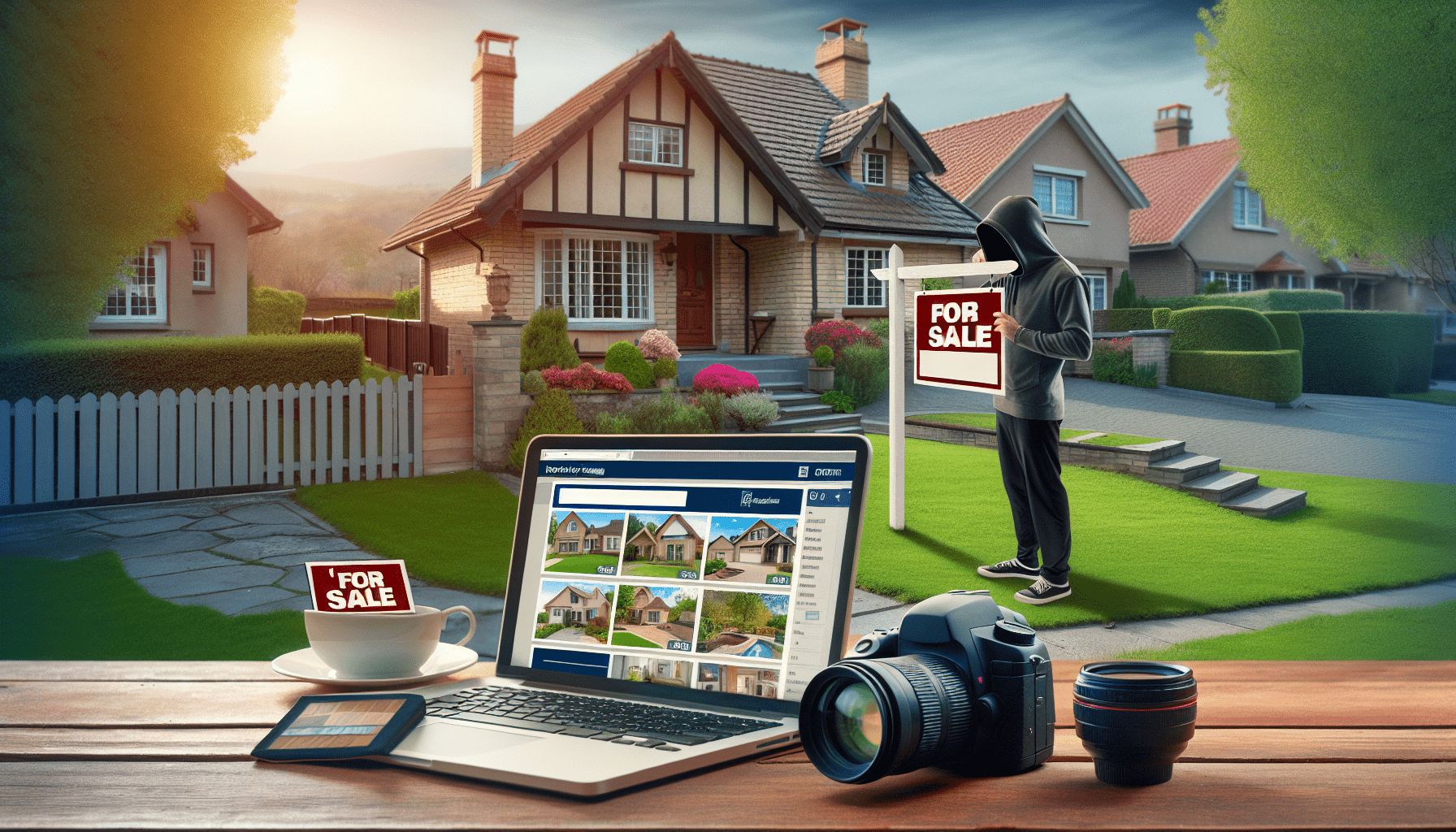
One of the most popular and effective ways to market your property is through online listing platforms. These platforms, such as Zillow or Realtor.com, attract a large number of potential buyers, making it easier for you to reach a wider audience. Make sure to include detailed descriptions, high-quality photos, and contact information to make your listing stand out.
Utilize Social Media Platforms
Social media platforms like Instagram, Facebook, and Twitter can be powerful tools for marketing your property. You can create posts showcasing the property’s unique features and share them with your network. You can also join local community groups and real estate forums to engage with potential buyers directly.
Leverage Local Print Media
While online marketing is essential, don’t overlook the power of local print media. Place advertisements in local newspapers, real estate magazines, and community newsletters to target buyers who prefer traditional mediums. Be sure to include eye-catching photos and a compelling property description to capture their attention.
Creating a Compelling Listing
Once you’ve chosen the right marketing channels, you need to create a compelling listing to attract potential buyers. Here are a few tips to make your listing stand out:
Write an Engaging Property Description
When writing your property description, focus on highlighting the unique features and benefits of the property. Be descriptive, using words that create a vivid image in the reader’s mind. Talk about the property’s location, architecture, history, and amenities to pique the interest of potential buyers.
Include High-Quality Photos
High-quality photos are essential for showcasing your property in the best possible light. Invest in professional photography or use a good camera to capture clear and appealing images of each room and exterior spaces. Make sure the photos are well-lit and highlight the property’s best features.
Highlight Unique Selling Points
Every property has unique selling points. Whether it’s a spacious backyard, a modern kitchen, or a stunning view, be sure to highlight these features in your listing. This will give potential buyers a clear idea of what sets your property apart from others on the market.

Setting the Right Price
Setting the right price for your property is crucial for attracting buyers and ensuring a successful sale. Here are a few steps to help you determine the right price:
Conduct Market Research
Start by conducting thorough market research to understand the current real estate trends in your area. Look at recently sold properties that are similar to yours in terms of location, size, and amenities. This will give you a good idea of the market value and help you set a competitive price.
Consider Comparable Sales
Take a close look at the sale prices of comparable properties in your area. Look for properties that are similar in terms of features, size, and condition. Consider the prices at which these properties sold to get a better understanding of what buyers are willing to pay.
Get a Property Appraisal
If you’re unsure about the value of your property, consider getting a professional property appraisal. An appraiser will assess your property’s condition, size, and location to determine its market value. This can give you a solid baseline for setting an appropriate asking price.
Presenting the Property
Once potential buyers start showing interest in your property, it’s important to present it in the best possible light. Here are a few tips to help you make a great impression:
Stage the Property
Staging your property involves arranging the furniture, decor, and accessories in a way that highlights its best features. This helps buyers visualize themselves living in the space and can make a significant impact on their perception of the property. Consider hiring a professional stager or researching staging techniques to make the most of each room.
Maximize Curb Appeal
First impressions matter, so make sure the exterior of your property is well-maintained and visually appealing. Keep the lawn mowed, trim any overgrown bushes or trees, and add some colorful flowers or plants to enhance the curb appeal. A well-maintained exterior will entice potential buyers to explore further.
Highlight Renovations or Upgrades
If you’ve made any renovations or upgrades to the property, be sure to highlight them during showings. Talk about the quality of the materials used, the functionality they add, and how they enhance the overall value of the property. Buyers appreciate knowing that they won’t have to invest additional time and money into repairs or upgrades.
Utilizing Online Marketing Tools
In today’s digital age, utilizing online marketing tools is a must. Here are a few strategies to make the most of the online sphere:
Create a Property Website
Having a dedicated website for your property can be a game-changer. It allows you to provide comprehensive details, showcase high-quality photos and videos, and engage with potential buyers directly. Include all relevant information about the property, such as floor plans, property history, and contact details.
Use Virtual Tours or Video Walkthroughs
Virtual tours or video walkthroughs are becoming increasingly popular in the real estate industry. These tools provide potential buyers with an immersive experience of the property, allowing them to get a sense of the layout and flow. Consider hiring a professional videographer or using user-friendly software to create virtual tours.
Engage with Online Communities
Engaging with online communities, such as real estate forums or social media groups, can help you connect with potential buyers and answer their questions. Participate in conversations, share your property listing, and offer valuable insights to establish yourself as a knowledgeable and trustworthy seller.
Networking and Word-of-Mouth
Networking and harnessing the power of word-of-mouth can be highly effective in selling your property. Here are a few strategies to consider:
Tap into Your Personal Network
Start by tapping into your personal network. Let friends, family, and colleagues know that your property is on the market. They might have connections or know someone who is actively looking to buy. Personal recommendations carry a lot of weight and can lead to potential buyers.
Ask for Referrals
If you’ve had positive interactions with potential buyers or individuals who have shown interest in your property, don’t hesitate to ask for referrals. They may know someone who is looking to buy a property similar to yours. People are often happy to help, especially if they’ve had a positive experience with you.
Join Local Real Estate Groups or Associations
Getting involved in local real estate groups or associations can provide you with valuable connections and opportunities. Attend meetings, network with professionals in the industry, and share information about your property. Building relationships with other real estate experts can lead to potential referrals and a broader reach.

Hosting Open Houses or Property Showings
Hosting open houses or property showings allows potential buyers to see the property firsthand and envision themselves living there. Here are a few tips for hosting successful events:
Schedule Open House Events
Choose dates and times that are convenient for potential buyers, such as weekends or evenings. Advertise the open house through your marketing channels and be prepared to answer any questions or provide additional information during the event. Make sure the property is clean, well-staged, and ready to impress.
Prepare the Property for Showings
Before each showing, take the time to clean and declutter the property. Pay attention to details like freshening up paint, repairing minor damages, and ensuring all appliances are in working order. You want potential buyers to see the property in its best possible condition.
Engage with Potential Buyers
During open houses or property showings, engage with potential buyers in a friendly and informative manner. Be prepared to answer questions about the property, neighborhood, and any other relevant information. Creating a personal connection can leave a lasting impression on potential buyers.
Negotiating and Closing the Sale
Once you start receiving inquiries and offers, it’s time to negotiate and close the sale. Here are a few tips to navigate this process successfully:
Handle Inquiries and Offers
Respond promptly and professionally to all inquiries and offers you receive. Take the time to understand the needs and expectations of potential buyers and address any concerns or questions they may have. Be transparent and provide accurate information to build trust and maintain a positive negotiation process.
Negotiate with Potential Buyers
Negotiation is a crucial part of the selling process. Be prepared to negotiate on price, terms, and any contingencies. Understand your priorities and be willing to compromise to reach a mutually beneficial agreement. Consider seeking guidance from a real estate attorney or experienced negotiator if needed.
Prepare the Necessary Legal Documents
To close the sale, you’ll need to prepare the necessary legal documents. This may include a purchase agreement, property disclosure statements, and any relevant addendums. It’s important to ensure that all documents comply with local laws and regulations and are legally binding. Consider consulting a real estate attorney to review and finalize the paperwork.
Being Transparent and Compliant
Transparent and compliant practices are essential when selling your property without an agent. Here are a few important considerations:
Disclose Property Information
As a seller, it’s important to disclose all relevant property information to potential buyers. This includes any known defects, past repairs, or structural issues. Failing to disclose such information can lead to legal issues down the line. Be transparent and provide accurate information to protect yourself and maintain a positive reputation.
Comply with Local Laws and Regulations
Make sure you’re familiar with and comply with all local laws and regulations related to selling a property. These may include disclosure requirements, zoning regulations, or specific rules for property transfers. Ignorance of the law is not an excuse, so take the time to educate yourself and ensure compliance.
Provide Access for Inspections
Potential buyers may want to conduct inspections before finalizing the purchase. Provide access to qualified inspectors and allow them to thoroughly assess the property. Cooperating with inspections shows your willingness to be transparent and can help build trust with potential buyers.
Seeking Professional Assistance When Needed
While selling your property without an agent can be rewarding, there are instances where professional assistance can make a significant difference. Here are a few professionals you may consider involving:
Consult Real Estate Attorneys
Real estate transactions can involve complex legalities and contracts. Consulting with a real estate attorney can help ensure that all legal aspects are handled correctly. They can provide guidance on drafting or reviewing contracts, explaining legal terms, and addressing any legal concerns that may arise during the selling process.
Hire Property Inspectors
Property inspections are crucial in identifying any potential issues or repairs needed before selling. Hiring a qualified property inspector can give potential buyers confidence in the property’s condition and help you address any concerns proactively. They can also provide you with a detailed report that can be shared with potential buyers.
Consider Working with a Transaction Coordinator
A transaction coordinator can help you navigate the paperwork and administrative tasks involved in the selling process. They can assist with scheduling inspections, coordinating with buyers and their agents, and ensuring that all necessary documents are prepared and signed. This can help streamline the process and provide peace of mind.
Selling your property without an agent can be a rewarding experience, but it requires careful planning and execution. By choosing the right marketing channels, creating a compelling listing, setting the right price, presenting the property effectively, utilizing online marketing tools, networking, hosting open houses, negotiating, complying with regulations, and seeking professional assistance when needed, you can maximize your chances of a successful sale. Be proactive, transparent, and open to feedback throughout the process, and you’ll be well on your way to selling your property on your own terms.