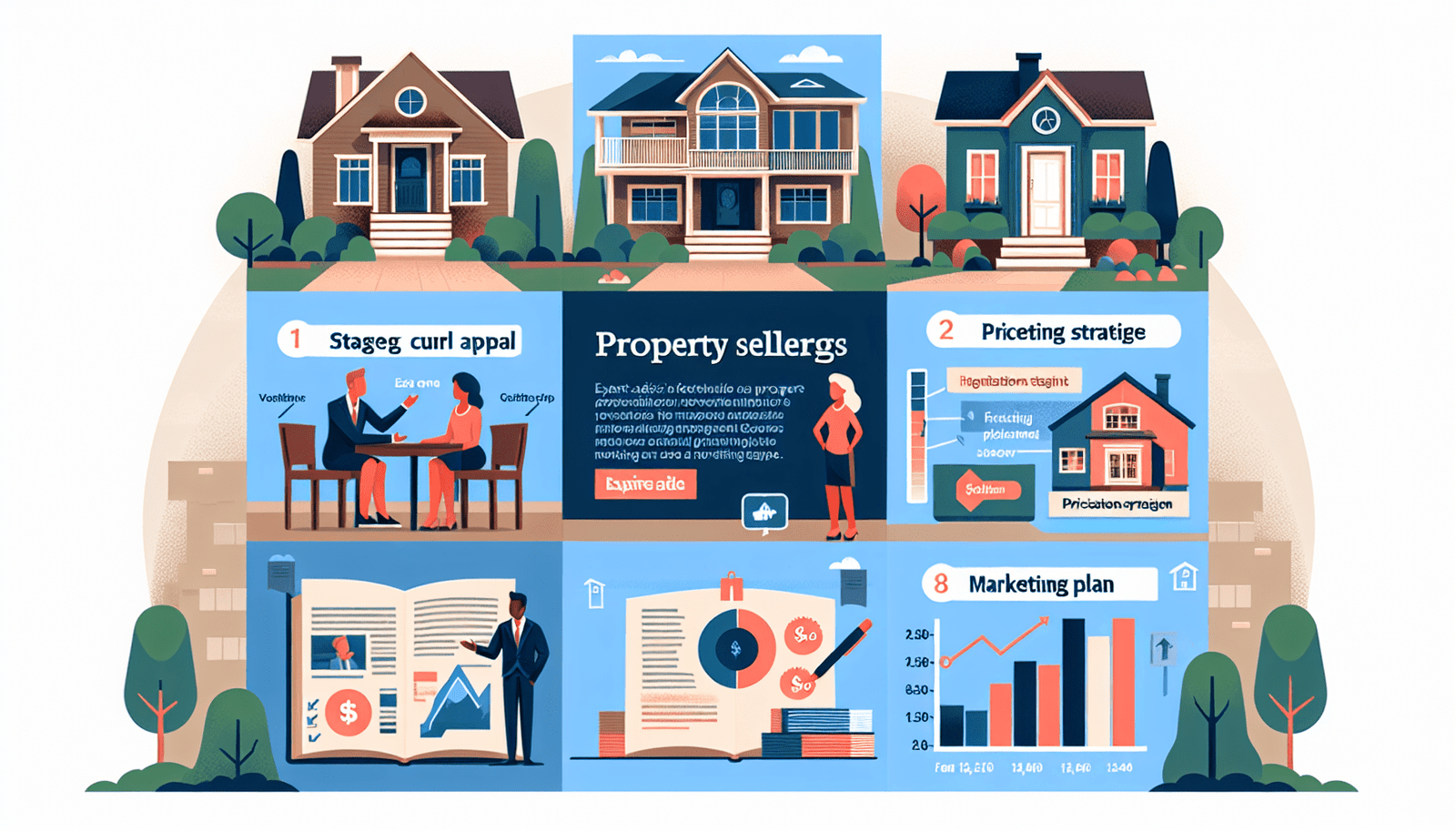

The Importance of Property Staging in Selling Without an Agent
When it comes to selling your property without an agent, property staging plays a crucial role in attracting and engaging potential buyers. By showcasing the unique features and amenities of your property, staging helps to create an inviting and desirable environment that appeals to a wide range of buyers. Additionally, incorporating professional photography, pricing strategies, and leveraging online platforms can further maximize your property’s exposure and increase your chances of a successful sale. Furthermore, understanding the specific needs and interests of your target market allows you to tailor your content and language to resonate with them effectively. So, if you’re considering selling your property without an agent, don’t underestimate the importance of property staging in captivating your audience and achieving a successful sale.

The Benefits of Selling Property Without an Agent
Selling your property without the help of a real estate agent can come with several benefits that are worth considering. One of the major advantages is reduced costs. Real estate agents typically charge a commission fee, which can range from 5% to 6% of the sale price. By selling your property on your own, you can avoid this expense and potentially save thousands of dollars.
Another benefit of selling without an agent is greater control and flexibility over the selling process. You have the freedom to set your own timeline and make decisions based on your preferences. You can choose when to schedule viewings, negotiate offers, and finalize the sale. This level of control can provide a sense of empowerment and satisfaction throughout the selling journey.
Selling property without an agent also allows you to tailor your marketing strategies to suit your needs. You can choose the platforms and channels that you believe will attract the most potential buyers. Whether it’s through online listings, social media, or word-of-mouth, you have the flexibility to experiment with different marketing techniques and find what works best for your property.
Understanding the Importance of Property Staging
Property staging plays a crucial role in attracting potential buyers and highlighting the best features of your property. When it comes to selling without an agent, staging becomes even more important as it serves as the first impression for potential buyers.
Enhancing the visual appeal of your property is a key goal of staging. By strategically arranging furniture, decluttering, and adding tasteful decor, you can create an inviting and aesthetically pleasing atmosphere. This visual appeal can significantly impact a buyer’s perception of the property and increase their interest in making an offer.
Creating a welcoming atmosphere is another important aspect of property staging. When potential buyers step into your property, they should feel a sense of comfort and be able to envision themselves living there. By creating a warm and inviting ambiance, you can help buyers connect emotionally with the space and increase the likelihood of a successful sale.
Property staging also allows you to highlight the key features of your property. Whether it’s a stunning view, a spacious backyard, or a luxurious master suite, staging can draw attention to these selling points and make them stand out. By strategically placing furniture and using specific decor, you can guide potential buyers’ attention towards the property’s most appealing aspects.

Tips for Effective Property Staging
When staging your property, there are several tips and strategies you can follow to ensure maximum impact:
-
Decluttering and depersonalizing: Remove personal belongings, excessive furniture, and clutter to create a clean and spacious look. This allows potential buyers to envision their own belongings in the space.
-
Rearranging furniture and creating focal points: Arrange furniture in a way that maximizes space and creates a flow throughout the property. Consider creating focal points, such as a cozy seating area or an eye-catching artwork, to draw attention to key areas.
-
Adding tasteful decor and artwork: Use neutral colors and tasteful decor to create a modern and appealing atmosphere. Avoid overly personalized or controversial artwork that may turn off potential buyers.
Remember, the goal of property staging is to create an inviting and visually pleasing environment that appeals to a wide range of potential buyers.
Pricing Strategies for Self-Selling
Determining the right price for your property is crucial when selling without an agent. Pricing too high can discourage potential buyers, while pricing too low may result in a financial loss. Here are some tips for setting a competitive and realistic price:
-
Researching local market trends: Study recent sales data and market trends in your area to get an idea of the average selling prices. Take into consideration factors such as location, property size, amenities, and condition.
-
Setting a competitive price: Consider pricing your property slightly below the market value to attract more potential buyers. This strategy can create a sense of urgency and generate more offers, increasing the chances of a bidding war.
-
Dealing with negotiation: Be prepared for negotiation and consider setting a minimum acceptable price. It’s important to be flexible and open to offers while also ensuring that you don’t compromise on your bottom line.
Remember, pricing is a crucial factor in attracting potential buyers, so take the time to research, analyze, and set a competitive price for your property.
The Role of Professional Photography
When selling property without an agent, the role of professional photography becomes even more important. Quality photographs are essential in capturing the attention of potential buyers and showcasing your property in its best light.
Professional photographers have the skills and equipment to highlight the unique selling points of your property. They know how to use lighting, angles, and composition to create visually stunning images that make your property stand out from the competition.
Highlighting the unique features of your property is crucial in attracting potential buyers. Whether it’s a beautiful kitchen, a spacious living room, or a luxurious bathroom, professional photographers know how to capture these selling points and make them visually appealing.
Good photography can generate interest and attract potential buyers who may not have considered your property otherwise. High-quality images have the power to evoke emotions and create a desire to see the property in person. In a digital world where most buyers start their search online, professional photography can make a significant difference in the success of your self-selling journey.
Leveraging Online Platforms for Maximum Exposure
In today’s digital age, leveraging online platforms is essential for maximizing the exposure of your property. When selling without an agent, it’s up to you to create an enticing online listing that grabs the attention of potential buyers.
An enticing online listing should include high-quality photographs, a detailed description of the property’s features, and accurate information about its location, amenities, and nearby attractions. Be sure to highlight any unique selling points that set your property apart from others on the market.
Utilizing social media and targeted advertising can also expand your reach and attract a wider audience. Share your listing on platforms such as Facebook, Instagram, and Twitter, and consider running paid ads to target specific demographics or buyer profiles.
Engaging with potential buyers through virtual tours and video calls is another effective way to showcase your property and establish a personal connection. Use technology to your advantage and offer virtual tours or live video calls to interested buyers who are unable to visit the property in person.
By leveraging online platforms effectively, you can maximize the exposure of your property and reach a larger pool of potential buyers.
Maximizing Market Reach with Real Estate Agents
While selling property without an agent has its advantages, it’s important to understand the benefits of working with an agent and consider the option of hiring one to maximize your market reach.
Real estate agents have access to a wide network of buyers and other agents, which can significantly increase your property’s visibility. They have expertise in marketing properties, negotiating deals, and navigating legal processes, saving you time and effort.
Finding the right agent for your property is crucial. Look for an agent who specializes in selling properties similar to yours and has a successful track record. Consider their experience, knowledge of the local market, and their marketing strategies.
Negotiating agent fees and terms is an important consideration when working with an agent. Research local commission rates and negotiate a fee that aligns with the services provided. Be clear about your expectations, including marketing efforts, communication, and timeline.
Working with the right agent can provide valuable support and expertise throughout the selling process, ultimately helping you achieve the best possible outcome for your property.
Considerations for Legal and Financial Aspects
When selling property without an agent, it’s important to have a good understanding of the legal and financial considerations involved in the transaction. Taking these factors into account can help protect your interests and ensure a smooth sale.
Understanding the tax implications and reporting requirements is crucial to avoid any legal issues. Consult with a tax professional to determine if there are any tax obligations related to the sale of your property and ensure that you comply with all necessary reporting requirements.
Calculating closing costs and potential expenses is also important when selling without an agent. Take into account expenses such as title insurance, attorney fees, transfer taxes, and any outstanding liens or mortgage balances. Being aware of these costs can help you accurately determine your net proceeds from the sale.
Navigating inspection contingencies and legal documents is another aspect to consider. When a buyer makes an offer on your property, they may request an inspection. Familiarize yourself with the process and ensure that you understand the implications of any contingencies or repairs that may be required. Additionally, seek legal assistance to review and finalize any legal documents involved in the sale.
By being well-prepared and knowledgeable about the legal and financial aspects of the transaction, you can confidently navigate the selling process and protect your interests.