
Closing Costs in Selling Property Without an Agent
Selling property without an agent can be a smart financial move, but it’s important to be aware of the closing costs involved. In this article, we will explore the various closing costs you may encounter when selling your property on your own. From transfer taxes to title insurance and legal fees, we will provide you with a comprehensive overview of these expenses so that you can plan accordingly and make informed decisions. Whether you are a first-time home seller or an experienced investor, understanding the financial implications of selling property without an agent is essential for a successful and profitable transaction.
Understanding the Closing Costs
When selling a property, one important aspect that you must consider is the closing costs. Closing costs refer to the expenses associated with the transfer of ownership from the seller to the buyer. It is crucial to understand these costs to ensure a smooth and successful closing process.
Types of Closing Costs
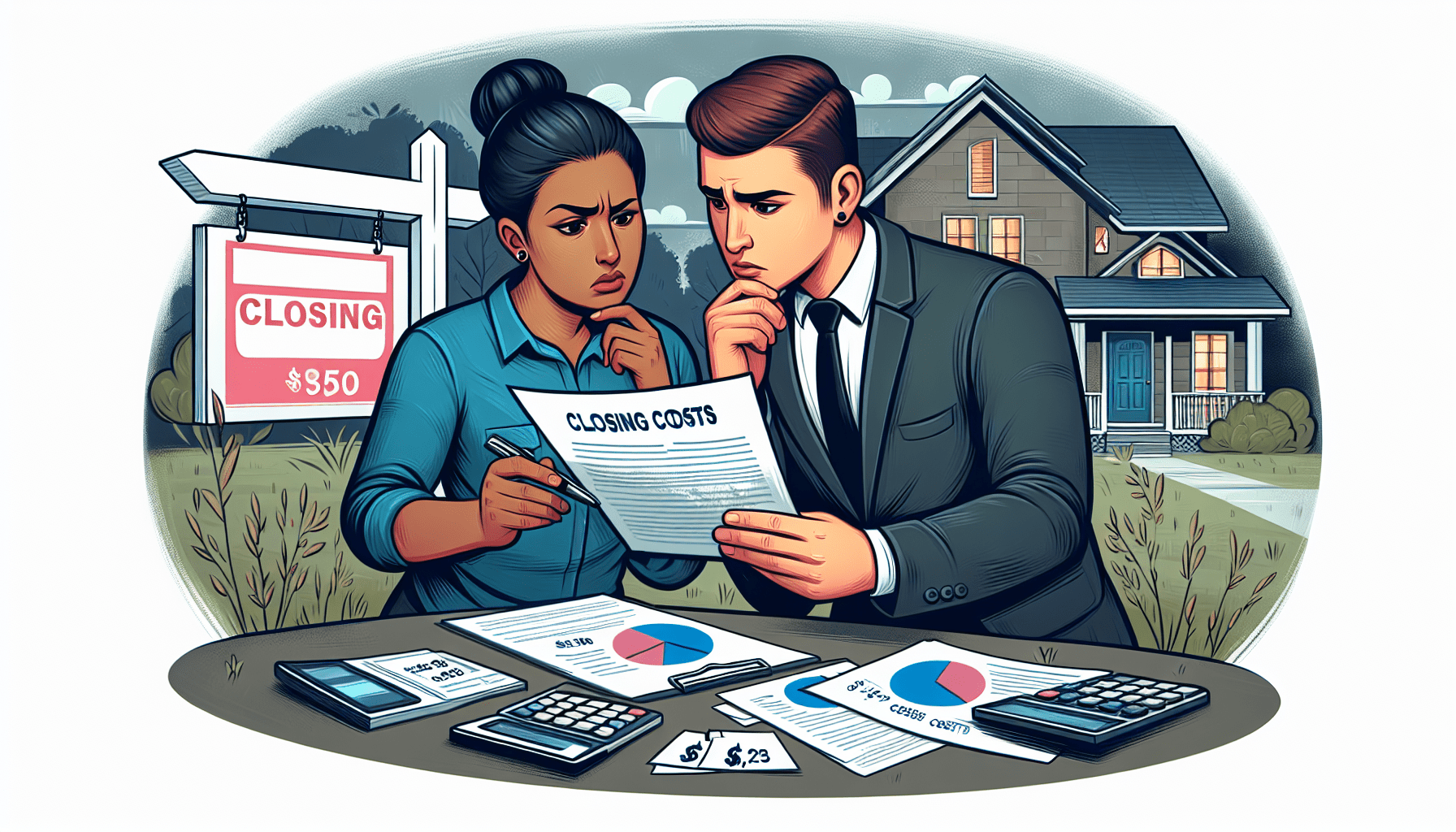
Closing costs can vary depending on various factors, but here are some common types of closing costs that you may encounter:
-
Title and escrow fees: These fees are associated with the title search and the transfer of the property’s title from the seller to the buyer.
-
Loan origination fees: This fee covers the cost of processing the loan application and originating the mortgage.
-
Appraisal fees: An appraisal is often required by the lender to determine the value of the property. The appraisal fee covers the cost of hiring a professional appraiser.
-
Credit report fees: Lenders usually charge a fee for obtaining and reviewing the buyer’s credit report.
-
Home inspection fees: A home inspection is crucial to identify any potential issues with the property. The buyer typically pays for the home inspection.
-
Recording fees: These fees cover the cost of recording the property’s transfer of ownership with the appropriate government office.
-
Attorney fees: If you choose to hire an attorney to handle the legal aspects of the transaction, there will be associated legal fees.
Average Cost of Closing Costs
The average cost of closing costs can vary depending on several factors, including the location of the property and the purchase price. On average, closing costs typically range from 2% to 5% of the total purchase price of the property. For example, if you are selling a property worth $300,000, you can expect to pay between $6,000 and $15,000 in closing costs.
It is essential to note that the closing costs can be negotiable between the buyer and the seller. In some cases, the buyer may offer to cover a portion or all of the closing costs.

Factors That Impact Closing Costs
Several factors can impact the closing costs you will incur when selling your property. These factors include:
-
Purchase price: The higher the purchase price of the property, the higher your closing costs are likely to be.
-
Location: Closing costs can vary depending on the state and even the county where the property is located. Some areas may have higher recording fees or transfer taxes.
-
Type of loan: Different types of loans can have varying closing costs. For example, FHA and VA loans may have additional fees.
-
Negotiations: As mentioned earlier, the buyer and seller can negotiate who pays for specific closing costs. This can impact the final amount you will be responsible for paying.
It’s essential to thoroughly review your closing cost estimate and consult with professionals, such as your real estate agent or attorney, to understand the specific factors that will impact your closing costs.
Legal Considerations
In addition to understanding the closing costs, you should also be aware of the legal considerations involved in selling a property without an agent. These legal considerations include:
Seller’s Disclosure
As the seller, you have a legal obligation to disclose any known defects or issues with the property. Providing a seller’s disclosure form is essential to protect yourself from potential legal disputes after the sale.
Be transparent and honest in your disclosure, and include any relevant information regarding the property, such as past renovations, existing structural issues, or water damage.
Title Search and Insurance
Before completing the sale of your property, it is crucial to conduct a title search to ensure there are no liens or other encumbrances that could affect the transfer of the property’s title. Purchasing title insurance provides protection for both the buyer and the seller in case any title issues arise.
Transfer Taxes
Transfer taxes are fees imposed by state or local governments for transferring the property’s title from one owner to another. The amount of transfer taxes can vary depending on the location of the property and local regulations. It is important to understand and account for these taxes when calculating your closing costs.
Financial Considerations
When selling a property, there are several financial considerations that you should keep in mind. These considerations include:
Loan Payoff Costs
If you have an outstanding mortgage on the property, you will need to pay off the loan when selling. Your lender will provide you with a payoff amount, which includes the remaining principal balance, any interest due, and potential prepayment penalties.
It is crucial to contact your lender in advance to obtain the exact payoff amount and ensure a smooth loan payoff process during closing.
Prepayment Penalties
Some mortgage loans may have prepayment penalties if you pay off the loan before a certain period. Review your loan terms to determine if you will incur any prepayment penalties and consider this when calculating your closing costs.
Mortgage Release Fee
After paying off your mortgage, you may be required to pay a mortgage release fee to have the lien on your property removed. This fee varies depending on your lender and can be included in your closing costs.
It is vital to contact your lender to understand any fees associated with the release of your mortgage and include them in your financial considerations.
Preparing for Closing
To ensure a smooth closing process, there are several steps you should take to prepare. These steps include:
Gathering Necessary Documents
Ensure that you have all the necessary documents ready for the closing, such as the deed to the property, property tax statements, homeowners association documents, and any relevant permits or certificates.
Organize these documents in advance to avoid any delays or issues during the closing process.
Home Inspection and Repairs
As mentioned earlier, the buyer typically requests a home inspection. It is crucial to address any necessary repairs or issues identified during the inspection.
Completing repairs or providing credits to the buyer for repairs can help expedite the closing process and create a positive experience for both parties involved.
Negotiating with the Buyer
During the closing process, there may be negotiations between you and the buyer regarding the terms of the sale, including repairs, contingencies, or closing costs.
Maintain open communication and be willing to negotiate to reach a mutually beneficial agreement. Collaborating with the buyer can help ensure a smooth closing process.
Calculating Closing Costs
Calculating the closing costs accurately is essential to avoid any surprises during the closing process. Here are some factors to consider when estimating your closing costs:
Estimating Closing Costs
Review the estimates provided by your real estate agent or attorney to understand the potential closing costs. Consider the specific factors that impact your closing costs, such as the purchase price, location, and negotiated terms.
By obtaining multiple estimates and comparing them, you can gain a better understanding of the potential costs involved.
Costs Typically Paid by the Seller
Certain closing costs are typically paid by the seller. These costs may include the title search and insurance fees, transfer taxes, and attorney fees, among others.
Consult with your real estate agent or attorney to understand which costs you will be responsible for as the seller.
Costs Typically Paid by the Buyer
Similarly, there are closing costs that are typically the responsibility of the buyer. These costs may include loan origination fees, appraisal fees, credit report fees, and recording fees.
Understanding these costs can help you negotiate with the buyer and reach a fair agreement on the distribution of closing costs.
Negotiating Closing Costs
Negotiating the closing costs with the buyer is a common practice in real estate transactions. Here are some strategies you can consider when negotiating:
Discussing Closing Costs with the Buyer
Openly discuss the closing costs with the buyer to ensure both parties have a clear understanding of the expenses involved. Address any concerns or questions they may have and be willing to negotiate a fair distribution of the costs.
Including Closing Costs in the Asking Price
One strategy is to include the closing costs in the asking price of the property. This approach allows you to cover the closing costs while giving the buyer the impression of a more attractive listing price.
Discuss this option with your real estate agent to determine if it is a viable strategy based on market conditions and buyer expectations.
Using Seller Credits to Cover Closing Costs
Another option is to offer seller credits to the buyer to cover a portion or all of the closing costs. Seller credits are typically agreed upon in the initial purchase offer and can help alleviate the financial burden on the buyer.
However, it is essential to consider the impact of seller credits on your net proceeds from the sale. Consult with your real estate agent or attorney to understand the implications of seller credits.
Minimizing Closing Costs
While closing costs are inevitable, there are ways to minimize these expenses. Consider the following strategies to potentially reduce your closing costs:
Shop Around for Service Providers
Obtain quotes from multiple service providers, such as title companies, attorneys, and home inspectors. By comparing prices, you may be able to find more affordable options for these services.
Negotiate Fees and Expenses
Be proactive in negotiating fees and expenses. Consult with your real estate agent or attorney to determine if any costs can be reduced or waived.
Consider DIY Approach for Certain Tasks
Some tasks, such as organizing documents or decluttering the property, can be done without professional assistance. Consider taking a do-it-yourself approach for these tasks to save on expenses.
Common Mistakes to Avoid
When it comes to closing costs, there are some common mistakes that sellers should avoid:
Not Budgeting for Closing Costs
Failing to budget for closing costs can lead to financial strain during the closing process. Ensure that you account for these costs when setting your selling price and considering your net proceeds.
Failure to Understand the Paperwork
The closing process involves various legal documents that need to be reviewed and signed. Failing to understand the paperwork can lead to delays or legal complications. Seek professional advice if needed and take the time to review and comprehend all the documents involved.
Not Seeking Professional Advice
Real estate transactions can be complex, and it is crucial to seek professional advice from a real estate agent or attorney. They can help navigate the closing process, ensure compliance with legal requirements, and protect your best interests.
Timing and Sequence of Closing
The timing and sequence of the closing play an important role in the successful completion of the sale. Here are some considerations to keep in mind:
Scheduling the Closing Date
Coordinate with the buyer, real estate agents, and service providers to schedule the closing date. Ensure that all parties involved are available and have sufficient time to complete their tasks.
Signing the Closing Documents
During the closing, both the buyer and the seller will need to sign various documents, including the closing statement, deed, and any transfer of ownership forms. Thoroughly review each document before signing and seek clarification on any unfamiliar terms or conditions.
Disbursement of Funds
Once all the documents are signed, the funds will be disbursed to the appropriate parties. The buyer’s funds are typically transferred to the seller, and any outstanding mortgage or liens are paid off.
Be prepared for a potential waiting period before receiving the net proceeds from the sale, as certain funds may need to clear or be verified.
Conclusion
In conclusion, understanding the closing costs is crucial when selling a property without an agent. By familiarizing yourself with the types, average costs, and factors that impact closing costs, you can effectively navigate the closing process.
Consider the legal considerations related to seller’s disclosure, title search and insurance, and transfer taxes. Take into account the financial considerations of loan payoff costs, prepayment penalties, and mortgage release fees.
Prepare for closing by gathering necessary documents, addressing home inspection and repairs, and negotiating with the buyer. Calculate the closing costs accurately, considering costs typically paid by the seller and buyer.
Negotiate the closing costs with the buyer, discussing options, including costs in the asking price, and using seller credits. Take steps to minimize closing costs by shopping around for service providers, negotiating fees, and considering a DIY approach for certain tasks.
Avoid common mistakes such as not budgeting for closing costs, failing to understand the paperwork, and not seeking professional advice. Understand the timing and sequence of the closing, scheduling the date, signing the documents, and the disbursement of funds.
By comprehensively understanding and actively managing the closing costs, you can ensure a smooth and successful sale of your property.