

Expert Advice for Real Estate Selling
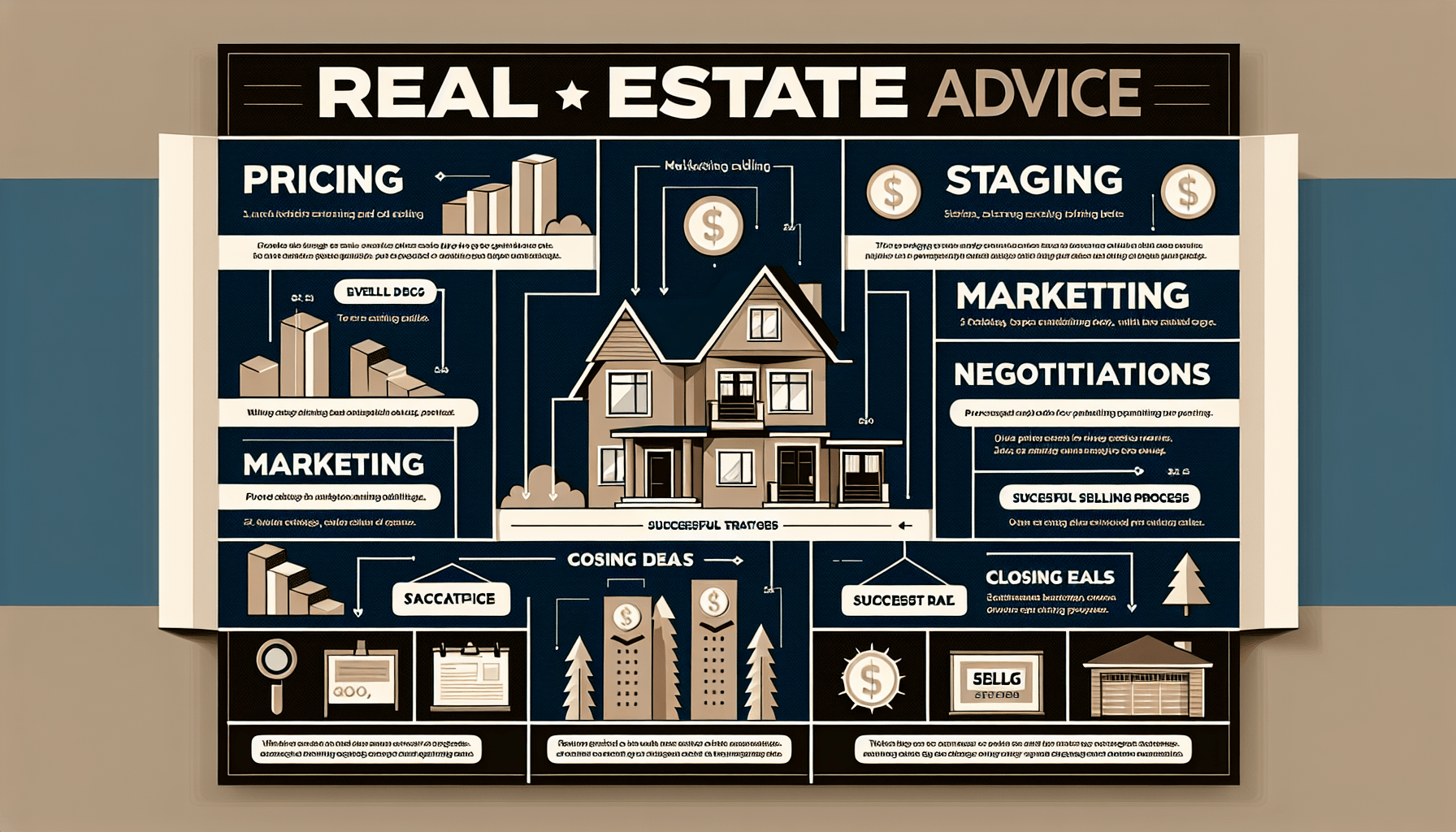
If you’re looking to sell your property, you’ve come to the right place. In this article, we’ll provide you with expert advice that will help you navigate the complex world of real estate selling. From understanding your target market to incorporating effective strategies, we’ll cover all the essentials to ensure a successful sale. By providing comprehensive details about your property, including its unique features and relevant keywords, you’ll be able to engage your audience and optimize your content for maximum visibility. Additionally, we’ll discuss the importance of staging, pricing strategies, professional photography, and utilizing online platforms and real estate agents to reach a broader market. So, if you’re ready to sell your property with confidence, keep reading for some valuable real estate selling tips.

Understanding Your Property
When it comes to selling your property, it’s important to have a deep understanding of its unique qualities and features. Start by specifying the type of property you are selling, whether it’s a residential home, commercial building, vacation property, or investment real estate. This will help potential buyers get a clear picture of what they can expect.
Highlighting the unique features of your property can significantly increase its appeal and value. Think about the location, architecture, history, and amenities that set your property apart from others on the market. Is it situated in a desirable neighborhood? Does it have a stunning view? Mention these selling points in your listing to catch the attention of potential buyers.
To enhance the visibility of your property in online searches, make sure to include relevant keywords throughout your listing. This can include the brand names of high-end appliances or materials used in the property, the name of the architect or builder if noteworthy, and the property’s proximity to landmark locations or desirable community features. By incorporating these keywords, you can attract more potential buyers who are specifically looking for these features.
Identifying the Target Market
Every property has a specific target audience, whether it’s first-time homebuyers, luxury property investors, or commercial real estate developers. Identifying your target market is crucial for effectively tailoring your content to their interests and needs.
Take some time to research and understand your target audience. What are their priorities and preferences when it comes to buying a property? What are their pain points and challenges? Use this information to create content that resonates with them and addresses their specific needs.
For example, if your target market is luxury property investors, highlight the high-end features and amenities of your property. Emphasize the exclusivity and prestige that comes with owning your property. On the other hand, if your target market is first-time homebuyers, focus on affordability, proximity to schools and amenities, and the potential for future growth.
By tailoring your content to the interests and needs of your target market, you can make your property more attractive and increase the likelihood of receiving offers.

Staging the Property
Staging your property is an essential step in the selling process that can significantly impact the impression it makes on potential buyers. The goal of staging is to make your property appear more appealing, inviting, and livable.
First and foremost, make sure to thoroughly clean and declutter every space in your property. This will create an immediate sense of cleanliness and freshness. Remove personal items and excessive decorations to allow potential buyers to envision themselves living in the space.
Arrange furniture and decor in a way that showcases the functionality and flow of the rooms. Use neutral colors and styles that appeal to a wide range of tastes. Pay attention to lighting and create a warm and inviting atmosphere throughout the property.
Consider adding some finishing touches to enhance the overall appeal. Fresh flowers, scented candles, and tasteful artwork can make a significant difference. Remember, the goal is to create a welcoming atmosphere that allows potential buyers to imagine themselves living in your property.
Pricing Strategies
Determining the right price for your property is crucial for attracting potential buyers and ensuring a successful sale. Pricing too high can deter buyers, while pricing too low can result in financial loss. It’s important to find a balance that reflects the market value of your property.
Start by researching market trends in your area. Look at recent sales of similar properties to get an idea of the current market value. Consider factors such as location, size, condition, and amenities when comparing your property to others.
Take into account the condition of your property. If it requires significant repairs or updates, it may be necessary to adjust the price accordingly. On the other hand, if your property is in pristine condition or has unique features, you may be able to justify a higher price.
It can also be helpful to consult with a real estate agent to get an expert opinion on pricing. They have access to industry data and can provide valuable insights into the market conditions. Together, you can determine a competitive price that attracts potential buyers while maximizing your return.
Importance of Professional Photography
In today’s digital age, having high-quality, professional photographs of your property is essential for attracting potential buyers. The first impression they have of your property will likely be through online listings, so it’s important to make it a positive one.
Hiring a professional photographer who specializes in real estate photography is highly recommended. They have the skills and equipment to capture the best angles and showcase your property’s unique features. High-resolution images that accurately represent the property’s appearance can make a significant difference in generating interest.
Work with the photographer to highlight the best features of your property. Whether it’s a spacious kitchen, a stunning view, or a beautifully landscaped backyard, ensure that these aspects are showcased in the photographs. Visuals are powerful, and they can make a lasting impression on potential buyers.
In addition to professional photography, consider incorporating virtual tours or video walkthroughs of your property. This allows potential buyers to get a more immersive experience and better understand the layout and flow of the space.
Leveraging Online Platforms
In today’s digital age, online platforms play a vital role in the real estate market. They provide a massive reach and allow you to connect with potential buyers from all over the world. By leveraging these platforms, you can significantly increase your chances of selling your property.
Start by listing your property on reputable real estate websites and apps. These platforms attract a large number of potential buyers and provide valuable exposure for your property. Include detailed descriptions, high-quality photographs, and any unique selling points to make your listing stand out.
When creating your property listings, be sure to optimize them for search visibility. Include relevant keywords and phrases that potential buyers are likely to use when searching for properties. This can help increase the visibility of your listings and attract more interested buyers.
Engage with potential buyers who show interest in your property. Respond promptly to inquiries, provide additional information if needed, and schedule showings or virtual tours. Building a rapport with potential buyers can help establish trust and increase the likelihood of a successful sale.
In addition to online platforms, consider using social media to market your property. Create compelling posts, share professional photographs, and utilize targeted advertising to reach potential buyers. Social media platforms provide a vast audience and can help generate interest in your property.

Working with Real Estate Agents
If navigating the real estate market seems overwhelming, or if you simply don’t have the time or expertise to handle the selling process, consider working with a reputable real estate agent. They can provide invaluable guidance and support throughout the entire process.
Start by finding a real estate agent with a strong reputation and a proven track record. Read reviews, ask for recommendations from friends and family, and interview multiple agents to find the best fit for your needs.
Real estate agents have extensive knowledge of the market and can provide expert advice on pricing, marketing, and negotiating. They can help you determine a competitive price for your property, create effective marketing strategies, and negotiate favorable terms with potential buyers.
Be sure to utilize their expertise and ask for their input at every stage of the selling process. They have a thorough understanding of the market dynamics and can provide valuable insights that can help you make informed decisions.
Negotiating the terms and commissions with your real estate agent is also important. Make sure to discuss the details upfront and clarify any questions or concerns you may have. Establish clear communication and ensure that you are both on the same page throughout the selling process.
Legal Considerations
When selling a property, it’s important to be aware of the legal considerations and obligations involved. Understanding these aspects will help ensure a smooth and successful transaction.
First and foremost, it’s crucial to understand the tax implications of selling your property. Consult with a tax professional to determine any potential capital gains tax or other tax obligations you may have. Being prepared for these costs will help you properly plan your finances and avoid any surprises.
Closing costs are another important consideration. These are the expenses that arise at the end of a real estate transaction, such as legal fees, title insurance, and transfer taxes. Familiarize yourself with the typical closing costs in your area and factor them into your financial calculations.
Including inspection contingencies in the sales contract is also advisable. This protects you as the seller and allows potential buyers to have the property inspected by professionals to ensure there are no hidden issues or problems. Discuss this with your real estate agent or attorney to ensure that the contingencies are included and properly structured.
By understanding the legal considerations involved in selling a property, you can navigate the process with confidence and avoid any potential legal pitfalls.
Marketing Strategies
Creating a comprehensive marketing plan is vital for attracting potential buyers and generating interest in your property. By implementing effective marketing strategies, you can significantly increase your chances of selling your property quickly and at the right price.
Start by defining your target market and understanding their preferences and interests. This will help you tailor your marketing efforts to effectively reach potential buyers. Consider the demographics, interests, and online behavior of your target audience to determine the most effective channels and platforms to use.
Utilize social media platforms to market your property to a wide audience. Create engaging posts, share high-quality photographs and virtual tours, and utilize targeted advertising to reach potential buyers. Social media platforms provide a cost-effective way to generate interest and showcase the unique features of your property.
Consider creating a dedicated property website or landing page to provide detailed information about your property. This allows potential buyers to find all the necessary information in one place and increases the professionalism of your marketing efforts. Include high-quality photographs, detailed descriptions, and contact information to make it easy for interested buyers to get in touch.
Incorporate traditional marketing methods as well, such as print advertisements, brochures, and direct mail campaigns. These methods can still be effective in reaching certain market segments and should not be overlooked.
Managing Property Showings
Once you’ve generated interest in your property, it’s important to effectively manage property showings to increase the chances of a successful sale. By strategically scheduling and preparing for showings, you can create a positive experience for potential buyers and increase their interest in your property.
Schedule showings strategically to maximize the number of potential buyers who can view your property. Consider weekdays, evenings, and weekends to accommodate different schedules. Work with your real estate agent to create a showing schedule that allows for a steady flow of interested buyers.
Prepare your property for viewings by ensuring it is clean, well-maintained, and staged appropriately. Pay attention to details such as lighting, temperature, and ambiance. You want potential buyers to feel comfortable and imagine themselves living in the space.
Follow up with interested buyers after showings to gauge their level of interest and address any questions or concerns they may have. Promptly provide any additional information they request and offer to schedule a second showing if they express serious interest. Building a relationship with potential buyers can increase their trust and likelihood of making an offer.
In conclusion, selling your property requires careful planning and execution. By understanding your property, identifying the target market, staging the property, implementing effective pricing strategies, investing in professional photography, leveraging online platforms, working with real estate agents, considering legal implications, implementing marketing strategies, and managing property showings, you can increase your chances of a successful sale. Remember, each step in the selling process is important and contributes to the overall success of selling your property. Good luck!