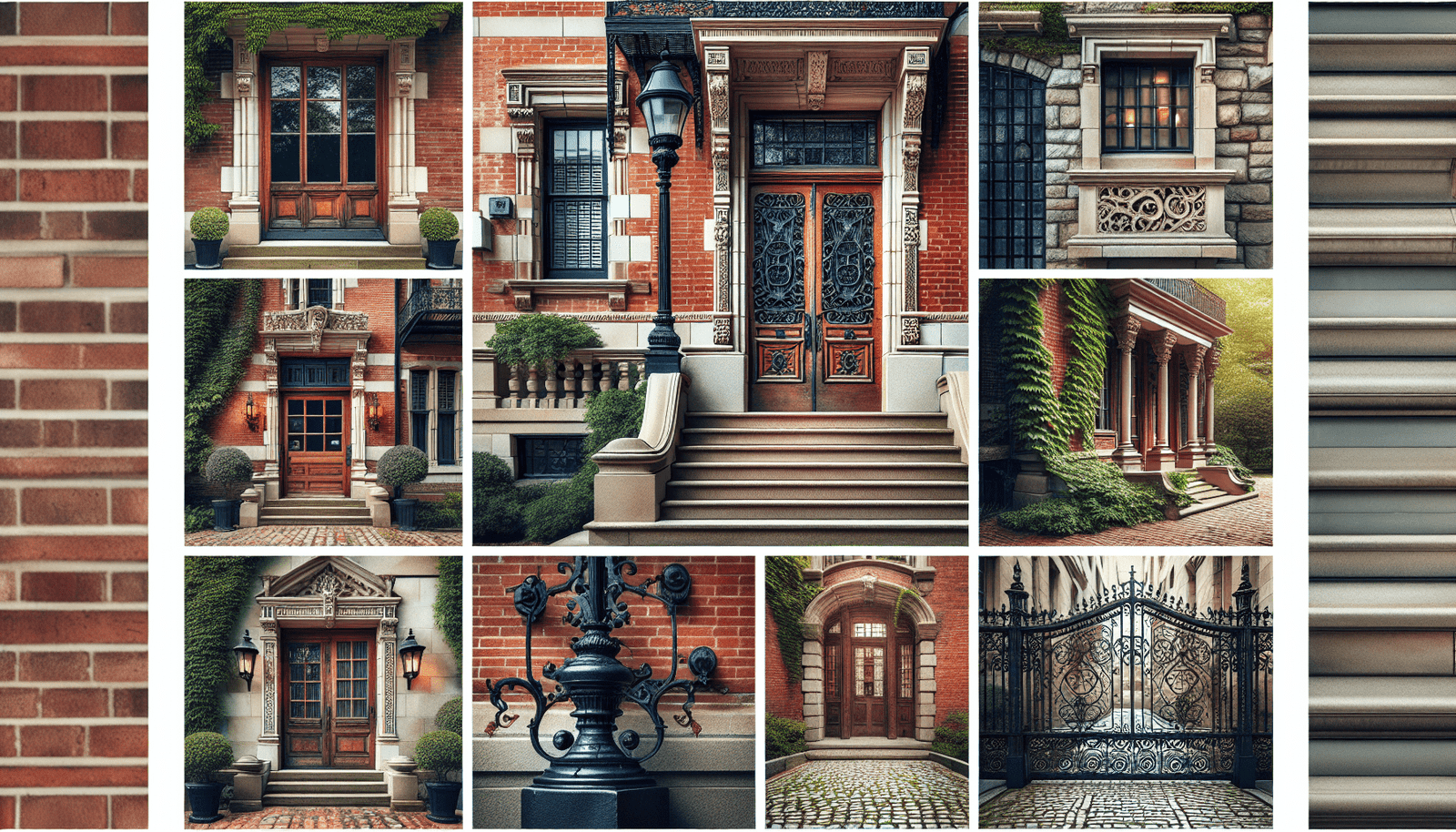

Selling Commercial Buildings: Effective Tips
Looking to sell your commercial buildings? Look no further! In this article, we’ll provide you with effective tips that will help you engage your audience and optimize your content for search visibility. From specifying the type of property and highlighting its unique features to incorporating relevant keywords and addressing your target market, we’ve got you covered. We’ll also delve into strategies and tips for sellers, including staging the property, pricing strategies, and leveraging online platforms or real estate agents. Plus, we’ll touch on the legal and financial considerations involved in property transactions. Get ready to maximize your selling potential with these expert tips!

Understanding the Market
Identifying the target market
When selling a commercial building, it is important to identify the target market. Are you looking to attract businesses in a specific industry? Are you targeting local entrepreneurs or multinational corporations? Understanding the needs and preferences of your target market will help shape your marketing strategies and messaging.
Researching market trends
Before putting your commercial building on the market, it is crucial to research current market trends. This includes analyzing the demand for commercial properties in your area, as well as any economic or industry-specific factors that may impact the selling process. By staying informed about market trends, you can make more informed decisions and position your property competitively.
Analyzing comparable sales
One effective way to determine the potential value of your commercial building is by analyzing comparable sales. Look at recent sales of similar properties in your area to get an idea of the market value. This will help you set a realistic price and negotiate with potential buyers.
Preparing the Property
Staging the property for sale
Staging your commercial building can greatly enhance its appeal to potential buyers. Consider decluttering and organizing the space to create a clean and professional environment. Also, think about how the space can be best utilized by showcasing different functional areas. Staging allows buyers to envision themselves in the space and can make a big difference in attracting offers.
Making necessary repairs and improvements
Before listing your commercial building, it is important to address any necessary repairs or improvements. Fix any structural issues or safety hazards, such as plumbing or electrical problems. Additionally, consider making cosmetic upgrades to improve the overall appearance of the property. This may include fresh paint, flooring updates, or installing modern fixtures. A well-maintained property is more likely to attract buyers and fetch a higher price.
Enhancing curb appeal
First impressions matter, so don’t neglect the exterior of your commercial building. Enhancing the curb appeal can make a significant difference in attracting potential buyers. Consider investing in landscaping, cleaning the façade, and ensuring proper signage. Creating an inviting and well-maintained exterior will help you make a positive impact right from the start.
Setting the Right Price
Conducting a comparative market analysis
To set the right price for your commercial building, conduct a comparative market analysis. This involves looking at recent sales of similar properties in the same area. Consider factors such as location, size, amenities, and any unique features. This analysis will give you a realistic understanding of the current market value and allow you to price your property competitively.
Consulting with real estate professionals
Real estate professionals have expertise in pricing properties and understanding market trends. Consult with a reputable real estate agent or appraiser to get an expert opinion on pricing your commercial building. They will have access to valuable data and insights that can help you make an informed decision.
Considering market conditions
Market conditions can greatly impact the sale of commercial buildings. Take into consideration factors such as supply and demand, interest rates, and the overall economic climate. If the market is currently favoring buyers, you may need to adjust your price accordingly. Stay flexible and be open to adjusting your pricing strategy if needed.

Professional Photography and Marketing
Hiring a professional photographer
Investing in professional photography is crucial when marketing your commercial building. High-quality images can showcase the property in its best light and attract the attention of potential buyers. A professional photographer will know how to capture the unique features and essence of your building, making it more enticing to prospective buyers.
Capturing the property’s unique features
Highlight the unique features of your commercial building through photography. Whether it’s an impressive lobby, state-of-the-art technology, or stunning architectural design, make sure these features are captured and showcased in your marketing materials. These images will help differentiate your property from others on the market and generate interest.
Using high-quality images for marketing materials
In addition to using professional photography, make sure to use high-quality images in all your marketing materials. This includes online listings, brochures, and advertisements. Crisp, clear images will make a significant difference in attracting potential buyers and making a positive impact.
Leveraging Online Platforms and Real Estate Agents
Listing the property on popular real estate websites
In today’s digital age, listing your commercial building on popular real estate websites is a must. These platforms attract a wide range of potential buyers and provide maximum visibility for your property. Ensure that your listing includes detailed information about the property, high-quality images, and contact information.
Utilizing social media platforms for promotion
Take advantage of social media platforms to promote your commercial building. Create engaging posts showcasing the property’s features, location, and unique selling points. Share these posts on your business page and consider utilizing targeted advertising to reach a larger audience. Social media can be a powerful tool for generating interest and leads.
Engaging the services of a reputable real estate agent
Partnering with a reputable real estate agent can greatly enhance your selling process. They have extensive knowledge of the market, access to a network of potential buyers, and expertise in negotiating deals. A skilled agent will handle the marketing and promotion of your commercial building, saving you time and maximizing your chances of a successful sale.
Legal and Financial Considerations
Understanding tax implications
Selling a commercial building has legal and financial implications, including potential tax obligations. It is important to seek professional advice from a tax consultant or accountant to understand the tax implications of the sale. They can guide you on the best strategies to minimize tax liabilities and ensure compliance with relevant laws.
Evaluating closing costs
Closing costs are expenses that occur during the final stages of a real estate transaction. It is crucial to evaluate these costs when selling a commercial building to determine your net proceeds from the sale. Common closing costs include legal fees, title fees, commissions, and other administrative expenses. Understanding these costs in advance will help you calculate your expected earnings accurately.
Addressing inspection contingencies
During the selling process, potential buyers may request inspections of the commercial building. It is important to be prepared for these inspections and address any potential issues that may arise. This can include addressing safety concerns, optimizing building systems, or providing necessary documentation. By being proactive, you can ensure a smoother selling process and minimize the risk of delays or complications.
Highlighting Unique Features and Benefits
Emphasizing the property’s location
The location of a commercial building is a significant selling point. Highlight the advantages of the location, such as proximity to transportation, popular amenities, or thriving business districts. Emphasize how these factors can benefit potential buyers in terms of attracting customers or providing convenient access for employees.
Showcasing outstanding architecture and design
If your commercial building has unique architecture or design, make sure to showcase it. Highlight any notable features, such as grand entrances, innovative layouts, or sustainability features. These elements can greatly enhance the appeal of your property and attract buyers who appreciate exceptional design.
Highlighting amenities and nearby attractions
Does your commercial building offer amenities that set it apart from others on the market? Whether it’s on-site parking, fitness facilities, or conference rooms, make sure to highlight these amenities. Additionally, draw attention to nearby attractions, such as restaurants, shopping centers, or cultural landmarks. These added benefits can make your property more appealing and increase its value.
Creating Compelling Property Descriptions
Crafting an engaging and informative listing description
When writing a property description, aim to be both engaging and informative. Highlight the unique features and benefits of your commercial building, using descriptive language that paints a vivid picture for potential buyers. Provide key details such as square footage, number of rooms, and any recent updates or renovations. Consider the target market of your property and tailor your description to resonate with their specific interests and needs.
Using descriptive language to paint a vivid picture
Use descriptive language to create a vivid picture of your commercial building. Instead of simply stating facts, use words that evoke emotions and appeal to the imagination. For example, instead of saying “large office space,” describe it as “a spacious and modern workspace flooded with natural light, perfect for inspiring productivity.” This will make your property stand out and capture the attention of potential buyers.
Highlighting potential uses or income-generating opportunities
In addition to showcasing the current state of your commercial building, highlight any potential uses or income-generating opportunities. This could include mentioning potential tenants, lease agreements, or development possibilities. By highlighting the potential return on investment, you can attract buyers who are interested in maximizing the profitability of the property.
Conducting Open Houses and Showings
Preparing the property for open houses
Before hosting an open house, ensure that your commercial building is clean, organized, and presentable. Remove any clutter and create an inviting atmosphere. Consider staging different areas to demonstrate their functionality and potential uses. Make sure all necessary documentation, such as floor plans or lease agreements, is readily available for potential buyers to review.
Creating a welcoming and attractive atmosphere
During open houses and showings, it is crucial to create a welcoming and attractive atmosphere. Make sure the space is well-lit, and consider adding some welcoming touches, such as fresh flowers or a welcome sign. Additionally, provide informative brochures or fact sheets for visitors to take away. Creating a positive experience for potential buyers can significantly impact their perception of the property.
Guiding potential buyers through the property
During open houses and showings, take the opportunity to guide potential buyers through the commercial building. Point out key features, highlight any recent updates or improvements, and answer any questions they may have. By providing a personalized tour, you can help potential buyers envision themselves in the space and address any concerns they may have.
Negotiating and Closing the Deal
Understanding negotiation strategies
Negotiations are a crucial part of the selling process. Understanding negotiation strategies can help you achieve the best possible outcome. Be prepared to negotiate on price, terms, or closing dates. Consider consulting with a real estate professional who can provide guidance and help you navigate the negotiation process successfully.
Handling offers and counteroffers
As offers come in, carefully evaluate each one and determine your response. Be prepared to handle counteroffers and negotiate to reach a mutually agreeable agreement. Clearly communicate your terms and expectations throughout the process and remain open to productive conversations. Working closely with your real estate agent or legal advisor can help you navigate these negotiations effectively.
Navigating the closing process
The closing process involves completing the necessary legal and financial procedures to finalize the sale. This may include coordinating with attorneys, lenders, or title companies. It is essential to stay organized, keep track of deadlines, and provide any requested documentation in a timely manner. By staying on top of the closing process, you can ensure a smooth and successful transaction.
Selling a commercial building is a complex process with many factors to consider. By following these comprehensive tips and strategies, you can increase your chances of a successful sale. Remember to understand your target market, prepare the property effectively, set the right price, utilize professional photography and marketing, leverage online platforms and real estate agents, address legal and financial considerations, highlight unique features and benefits, create compelling property descriptions, conduct open houses and showings, and navigate negotiations and the closing process. With careful planning and execution, you can maximize the value of your commercial building and attract the right buyer.