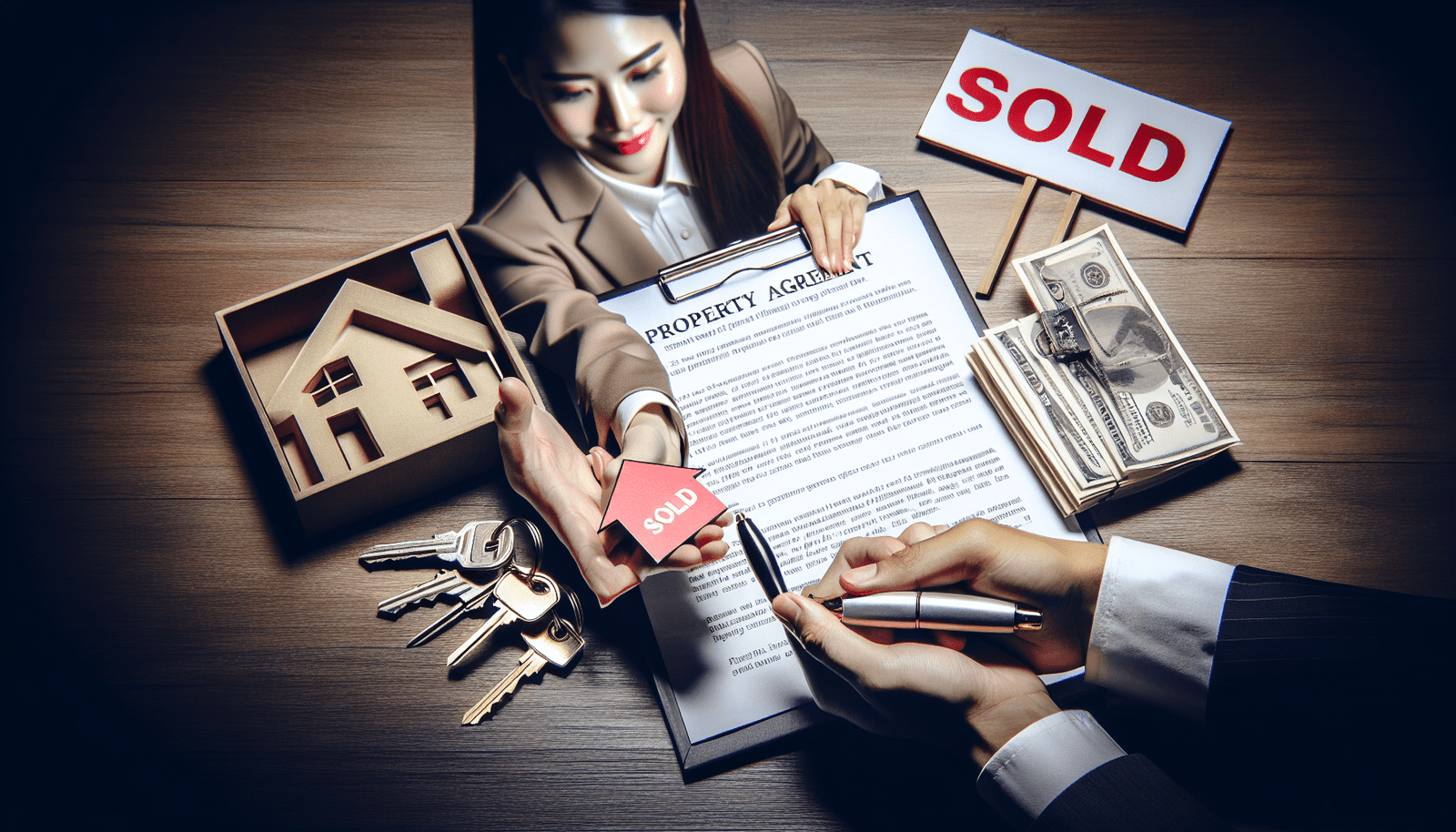

Quick Home Sale Tips for a Successful Transaction
Looking to sell your home quickly and successfully? Look no further! This article provides you with a host of useful tips and strategies to ensure a smooth and efficient transaction. From providing comprehensive property details to incorporating relevant keywords, we guide you on how to engage your audience and maximize search visibility. Additionally, we help you identify your target market and tailor your content accordingly, while offering expert advice on staging, pricing, professional photography, and using online platforms or real estate agents for wider market reach. Don’t miss out on valuable insights regarding legal and financial considerations for property transactions. Get ready to sell your home with confidence using these quick home sale tips!
When it comes to selling your property, there are several steps you can take to ensure a successful transaction. From staging the property to negotiating the sale and closing the deal, each stage of the process requires careful attention to detail. By following these quick home sale tips, you can maximize your chances of a smooth and efficient sale.

Staging the Property
Focus on curb appeal
When potential buyers drive up to your property, the first impression is crucial. Therefore, it’s important to focus on curb appeal to make your property look inviting and well-maintained. Consider adding some fresh flowers or potted plants, mowing the lawn, and cleaning any exterior surfaces to enhance the overall appearance.
Declutter and depersonalize
To make your property more appealing to a wide range of buyers, it’s important to declutter and depersonalize the space. Remove any excess furniture, personal belongings, and family photos to create a clean and neutral atmosphere. This allows buyers to envision themselves living in the space.
Rearrange furniture for optimal flow
The layout and flow of a property can greatly impact a buyer’s perception of the space. Consider rearranging furniture to create an open and inviting atmosphere. Remove any bulky or unnecessary items that may obstruct the natural flow of the rooms, allowing buyers to easily navigate the space.
Create a neutral color palette
While you may love bold and vibrant colors, it’s best to create a neutral color palette when staging your property. Neutral colors such as whites, beiges, and grays appeal to a wider range of buyers and allow them to imagine how they would personalize the space. A fresh coat of paint can go a long way in creating a clean and appealing look.
Pricing Strategies
Research the local market
Before setting a price for your property, it’s important to research the local market. Look at recent sales of similar properties in your area to get an idea of the current market value. Pay attention to factors such as location, size, condition, and amenities to accurately compare your property to others on the market.
Consider hiring a professional appraiser
To get an objective assessment of your property’s value, consider hiring a professional appraiser. They will evaluate your property based on its condition, location, and market comparables to provide an accurate valuation. This can help you determine a competitive selling price.
Set a competitive price
Once you have gathered all the necessary information, it’s time to set a competitive price for your property. While you may be tempted to set a higher price to leave room for negotiation, it’s important to price your property realistically to attract potential buyers. A well-priced property is more likely to generate interest and receive offers.
Be open to negotiation
Negotiation is a common part of the home-selling process, so it’s important to be open to it. Buyers may come in with offers below your asking price, and it’s important to consider these offers in a rational manner. Be willing to negotiate on price, closing dates, or other terms to reach a mutually beneficial agreement.
Professional Photography
Hire a professional photographer
In today’s digital age, high-quality photography is essential to attract potential buyers. Consider hiring a professional photographer who specializes in real estate photography. They will have the skills and equipment to capture your property in the best light and showcase its unique features.
Stage the property for the best shots
Before the photographer arrives, make sure to stage the property for the best shots. Clean and declutter each room, arrange furniture in an inviting and appealing way, and remove any personal items or clutter. This will allow the photographer to capture the true essence of your property.
Highlight key selling points
When working with a professional photographer, be sure to highlight the key selling points of your property. Whether it’s a stunning view, a beautiful kitchen, or a spacious backyard, make sure these features are captured in the photos. These images will be the first impression for potential buyers and can make a significant impact.
Use high-quality images in online listings
Once you have the professional photographs, be sure to use them in your online listings. High-quality images will attract attention and make your property stand out among the competition. Include a variety of photos showcasing different rooms and angles to give potential buyers a comprehensive view of the property.

Leveraging Online Platforms
List the property on multiple real estate websites
To reach a wider audience, it’s important to list your property on multiple real estate websites. This increases visibility and exposes your listing to more potential buyers. Consider popular websites such as Zillow, Realtor.com, and Trulia, as well as any local or niche real estate platforms.
Include detailed descriptions and high-quality images
When creating your online listing, be sure to include detailed descriptions and high-quality images. Describe the property’s unique features, such as its location, architecture, amenities, and any recent upgrades. This information will help potential buyers understand what sets your property apart from others on the market.
Respond promptly to inquiries
Once your property is listed online, it’s important to respond promptly to any inquiries or messages from potential buyers. Timely communication shows that you are serious about selling and can help build trust with potential buyers. Make yourself available to answer questions and schedule property showings.
Consider virtual tours or 3D walkthroughs
Virtual tours or 3D walkthroughs can be a powerful tool in showcasing your property online. These immersive experiences allow potential buyers to virtually explore the property from the comfort of their own homes. Consider investing in these technologies to provide a more interactive and engaging experience for potential buyers.
Working with a Real Estate Agent
Research and choose a reputable agent
When selling your property, it’s important to work with a reputable and experienced real estate agent. Do your research, read reviews, and ask for recommendations from friends or family members who have recently sold their properties. Choose an agent who has a proven track record of success and understands the local market.
Discuss marketing strategies and target audience
Once you have chosen a real estate agent, have a discussion about their marketing strategies and target audience. Every property is unique, and it’s important to tailor the marketing plan to attract the right buyers. Discuss the agent’s plans for online listings, open houses, and any other marketing tactics they may utilize.
Set realistic expectations
When working with a real estate agent, it’s important to set realistic expectations. Selling a property takes time, and there may be ups and downs along the way. Have an open and honest conversation with your agent about your goals, timeline, and any concerns you may have. This will help ensure a positive and transparent working relationship.
Stay in close communication throughout the process
Throughout the selling process, it’s important to stay in close communication with your real estate agent. Regular updates on property showings, buyer feedback, and market trends will help you make informed decisions. Additionally, be sure to provide any necessary documents or information promptly to facilitate a smooth transaction.
Legal Considerations
Understand local laws and regulations
Before selling your property, it’s crucial to understand the local laws and regulations that govern real estate transactions. Familiarize yourself with the disclosure requirements, zoning regulations, and any other legal obligations you may have as a seller. This will help you navigate the selling process legally and ethically.
Prepare necessary legal documents
To ensure a smooth closing process, it’s important to prepare all necessary legal documents in advance. This includes the deed, title insurance, property disclosure statements, and any other documents required by your local jurisdiction. Consult with a real estate attorney if needed to ensure that all documents are accurate and legally binding.
Consult with a real estate attorney if needed
If you have any concerns or questions regarding the legal aspects of selling a property, it’s always a good idea to consult with a real estate attorney. They can provide expert advice, review legal documents, and help ensure that your rights as a seller are protected throughout the transaction.
Be aware of disclosure requirements
As a seller, you have a legal obligation to disclose any known issues or defects with the property. Be honest and upfront about any problems, such as structural issues, water damage, or pest infestations. Failure to disclose potential issues can lead to legal consequences down the line. Honesty is always the best policy.
Financial Considerations
Calculate closing costs
When selling your property, it’s important to calculate the closing costs associated with the transaction. These costs can include real estate agent commissions, attorney fees, title insurance, and any other fees required by your local jurisdiction. Understanding these costs will help you determine your net proceeds from the sale.
Consider tax implications
Selling a property can have tax implications, so it’s important to consider these factors before finalizing the sale. Consult with a tax professional or accountant to understand any potential capital gains tax or other tax obligations that may arise from the sale. Proper tax planning can help optimize your financial outcome.
Evaluate financing options for potential buyers
To attract a wider pool of potential buyers, consider evaluating financing options for them. This can include offering seller financing or working with a lender who specializes in creative financing options. Providing flexibility in financing can make your property more appealing to buyers who may have difficulty obtaining traditional financing.
Negotiate payment terms and timelines
When negotiating the sale of your property, it’s important to discuss and agree upon payment terms and timelines with the buyer. This includes determining the amount and method of payment, as well as the expected closing date. Open and transparent communication during the negotiation process is key to reaching a mutually beneficial agreement.
Preparing for Inspections
Address any known issues beforehand
To avoid surprises during the inspection process, it’s important to address any known issues with the property beforehand. Fix any plumbing or electrical issues, repair any structural damage, and resolve any pest infestations. Taking care of these issues in advance can streamline the inspection process and make your property more attractive to buyers.
Clean and declutter the property
Before the inspection, take the time to thoroughly clean and declutter the property. A clean and well-maintained property gives the impression that it has been taken care of and will likely have fewer hidden issues. Pay special attention to areas that may be inspected, such as the attic, crawlspace, or mechanical systems.
Provide necessary documentation and records
During the inspection, it’s important to provide the inspector with any necessary documentation and records. This can include maintenance and repair records, warranties, and permits. Having these documents readily available shows that you have taken care of the property and can help alleviate any concerns raised during the inspection.
Be prepared for negotiation based on inspection results
Inspection results may uncover items that require repair or further negotiation. Be prepared to address any issues and negotiate with the buyer based on the inspection report. This may involve agreeing to make certain repairs, offering a credit towards closing costs, or adjusting the sale price to account for any necessary repairs.
Negotiating the Sale
Set clear expectations and boundaries
When entering into negotiations with potential buyers, it’s important to set clear expectations and boundaries. Clearly communicate your non-negotiable terms, such as the minimum acceptable price or the desired closing date. Setting these boundaries upfront can help streamline the negotiation process and avoid any misunderstandings.
Consider multiple offers, if applicable
If you receive multiple offers on your property, consider all of them carefully. Evaluate each offer based on its price, terms, and the financial strength of the buyer. It may be beneficial to counteroffer or negotiate with multiple parties to ensure the best possible outcome for your sale.
Be willing to compromise
Negotiations often involve some level of compromise. Be open to finding common ground and meeting the buyer partway. This may involve adjusting the purchase price, offering concessions, or agreeing to certain terms requested by the buyer. A willingness to compromise can help facilitate a successful negotiation and ultimately lead to a closed sale.
Review all terms and conditions before finalizing the sale
Before finalizing the sale, it’s important to carefully review all terms and conditions of the agreement. This includes the purchase price, any contingencies, deadlines, and any other provisions included in the contract. Ensure that both parties are in agreement and that everything is accurately reflected in writing to avoid any potential disputes.
Closing the Sale
Coordinate with the buyer’s lender and attorney
As the closing date approaches, it’s important to coordinate with the buyer’s lender and attorney to ensure a smooth transaction. Provide any necessary documentation and work closely with all parties involved to facilitate the closing process. Clear and open communication is key to a successful closing.
Complete necessary paperwork and documentation
At the closing, you will be required to complete various paperwork and documentation. This may include signing the deed, transferring the title, and settling any outstanding liens or obligations. Review all documents carefully and ask any questions you may have before signing.
Arrange for the transfer of utilities
As part of the closing process, it’s important to arrange for the transfer of utilities to the buyer. Contact the utility companies to inform them of the upcoming change in ownership and provide them with the necessary information. This will ensure a smooth transition for the buyer and prevent any interruption in services.
Confirm the final closing date and time
Before the closing, confirm the final date and time with all parties involved. This will ensure that everyone is aware of the schedule and can make the necessary arrangements. It’s also a good idea to double-check the location of the closing and any specific requirements or documents needed.
Selling a property can be a complex process, but with careful planning and attention to detail, you can increase your chances of a successful transaction. By following these quick home sale tips, you can navigate each stage of the process with confidence and achieve your selling goals. Remember to consult with professionals, such as real estate agents and attorneys, to ensure that you are making informed decisions and complying with all legal requirements. With the right approach, selling your property can be a smooth and rewarding experience.