
Navigating the Legal Aspects of Home Sales: Expert Advice
When it comes to selling your home, navigating the legal aspects can feel overwhelming. That’s why we’ve gathered expert advice to help guide you through the process. From specifying the type of property involved to including relevant keywords, we’ll show you how to effectively engage your audience and optimize your content for search visibility. We’ll also address the importance of understanding your target market and tailoring your content to their specific interests and needs. Plus, we’ll provide strategies and tips for sellers, including staging the property and leveraging online platforms for broader market reach. Don’t miss out on valuable insights into the legal and financial considerations involved in property transactions. Get ready to navigate the legal aspects of home sales with confidence.

Determining the Property Type
When it comes to selling your property, it’s important to start by specifying the type of property involved. Are you selling residential homes, commercial buildings, vacation properties, or investment real estate? Knowing the type of property will help you focus your marketing efforts and attract the right audience. Additionally, highlight the unique features of the property that set it apart from others in the market. Whether it’s the prime location, stunning architecture, rich history, or top-notch amenities, these factors can significantly influence buyer interest and ultimately increase the value of your property.
Keywords for Optimization
To ensure your property listing is easily discoverable online, it’s essential to incorporate relevant keywords throughout your article. Consider including the brand names of high-end appliances or materials used in the property, as these can be attractive selling points for potential buyers. If the property was designed by a renowned architect or built by a reputable builder, mentioning their names can also add credibility and appeal to your listing. Additionally, highlight the proximity of your property to landmark locations or desirable community features. For example, if your property is within walking distance to Central Park, make sure to mention it as a unique selling point.

Identifying the Target Market
Defining your target market is crucial in tailoring your content to resonate with their specific interests and needs. Are you targeting first-time homebuyers, luxury property investors, or commercial real estate developers? Understanding your target market will help you create content that speaks directly to their preferences. For example, if your target market is first-time homebuyers, focus on aspects such as affordability, proximity to schools, and family-friendly amenities. On the other hand, if you’re targeting luxury property investors, highlight high-end features, exclusive amenities, and prestigious neighborhoods.
Strategies and Tips for Sellers
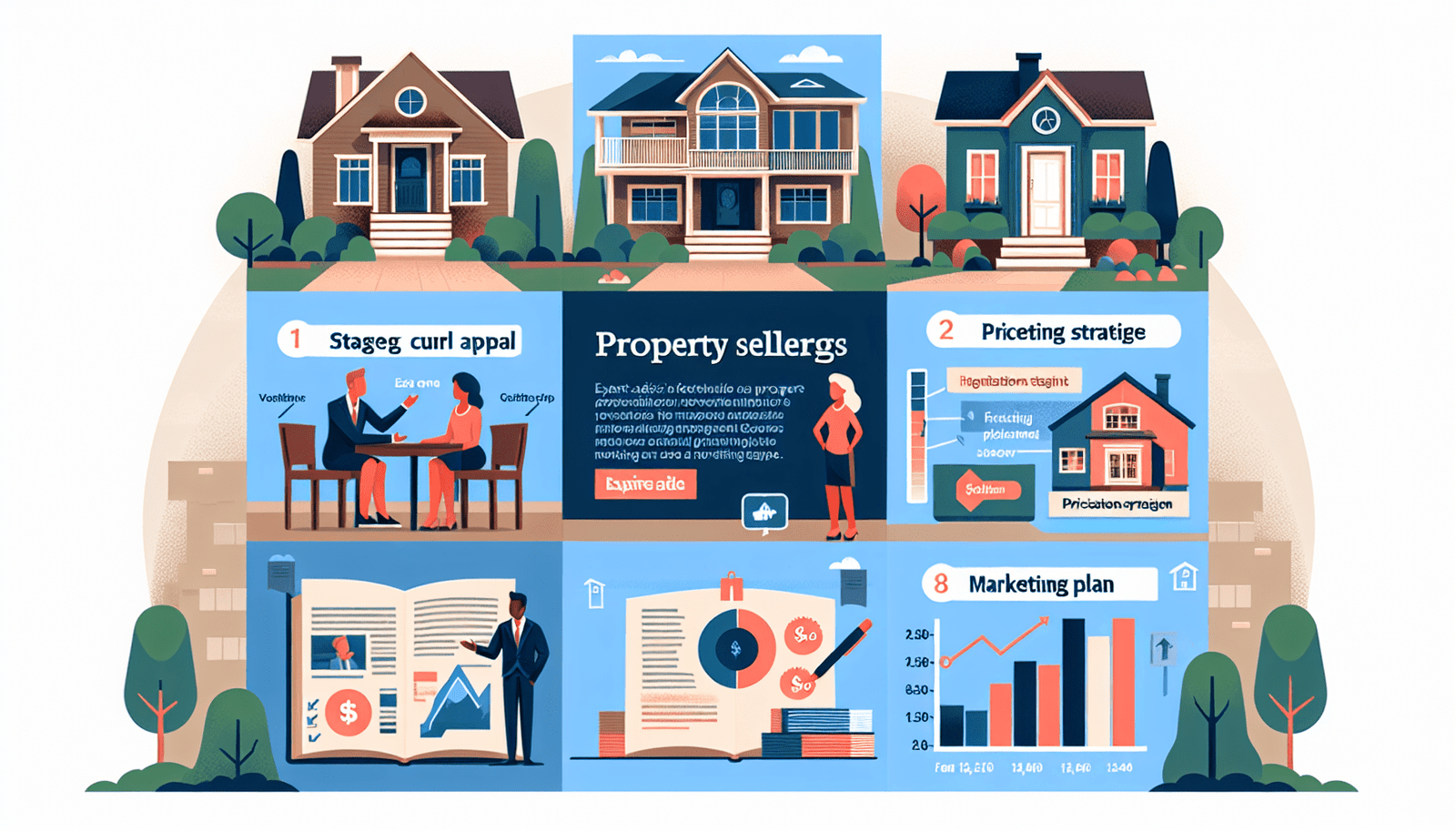
To attract potential buyers and maximize the appeal of your property, staging plays a vital role. Create a warm and inviting atmosphere by decluttering, rearranging furniture, and adding tasteful decorations. Effective pricing strategies are also important to attract competitive offers. Research the local market, consult with real estate professionals, and set a price that reflects the value of your property. Professional photography is another essential aspect of showcasing your property. High-quality photos can create a lasting impression on potential buyers and increase the chances of them scheduling a showing. Finally, consider utilizing online platforms and/or real estate agents to widen your market reach and attract a larger pool of potential buyers.

Legal Considerations and Financial Implications
Navigating the legal aspects and financial implications of selling a property can be complex. It’s crucial to understand the tax implications related to property transactions to avoid any surprises down the line. Consult with a tax professional or real estate attorney to ensure you comply with all relevant tax laws and regulations. Additionally, make sure to highlight the various closing costs involved in the sale. These may include fees for attorneys, real estate agents, title searches, and insurance. Explaining inspection contingencies and their impact on the transaction is also important. Inform potential sellers about the importance of inspections, what they entail, and how they can affect the final sale price or negotiation process.
Seeking Professional Legal Advice
When it comes to the legal aspects of selling a property, it’s highly recommended to consult with a real estate attorney. The expertise of a legal professional can guide you through the entire home sale process, ensuring you comply with all legal requirements and protect your interests. Emphasize to potential sellers the importance of seeking professional legal advice to avoid any costly mistakes or legal complications.

Requirements for Property Disclosures
Sellers have legal obligations to disclose any defects, history, or other relevant information about the property to potential buyers. It’s important to discuss these obligations and emphasize the importance of honest and transparent disclosures. Guide sellers on the necessary documentation and forms for property disclosures, ensuring they are aware of their responsibilities. This will not only protect sellers from potential legal issues but also foster trust and transparency with potential buyers.
Understanding Purchase Agreements
A purchase agreement is a legally binding contract between the buyer and seller that outlines the terms and conditions of the sale. It’s important to explain the essential components of a purchase agreement to potential sellers, such as the purchase price, financing terms, contingencies, and closing dates. Highlight key terms and conditions that sellers need to be aware of, such as any repair obligations or specific timelines for completing the transaction. Additionally, discuss the role of negotiations and contingencies in the purchase agreement, as these can significantly impact the final terms of the sale.
Navigating the Closing Process
The closing process is the final step in the home sale process, where ownership of the property is transferred from the seller to the buyer. Provide potential sellers with an overview of the closing process, including the documents and legal requirements involved. This may include signing the deed, transferring funds, and completing various forms. Address common challenges that sellers may encounter during the closing process, such as delays or issues with title searches, and provide tips on how to overcome them. By preparing sellers for the closing process, you can help ensure a smooth and successful transaction.
Post-Sale Legal Obligations
Even after the completion of the sale, sellers have legal responsibilities that need to be fulfilled. Outline these responsibilities to potential sellers to ensure they are aware of their post-sale obligations. These may include canceling any insurance policies, notifying utility companies of the change in ownership, and addressing any outstanding liens or mortgage payments. Additionally, discuss the transfer of ownership and any necessary follow-up actions, such as updating property records or transferring warranties. By providing sellers with clear guidance on post-sale obligations, you can help them navigate this phase successfully.