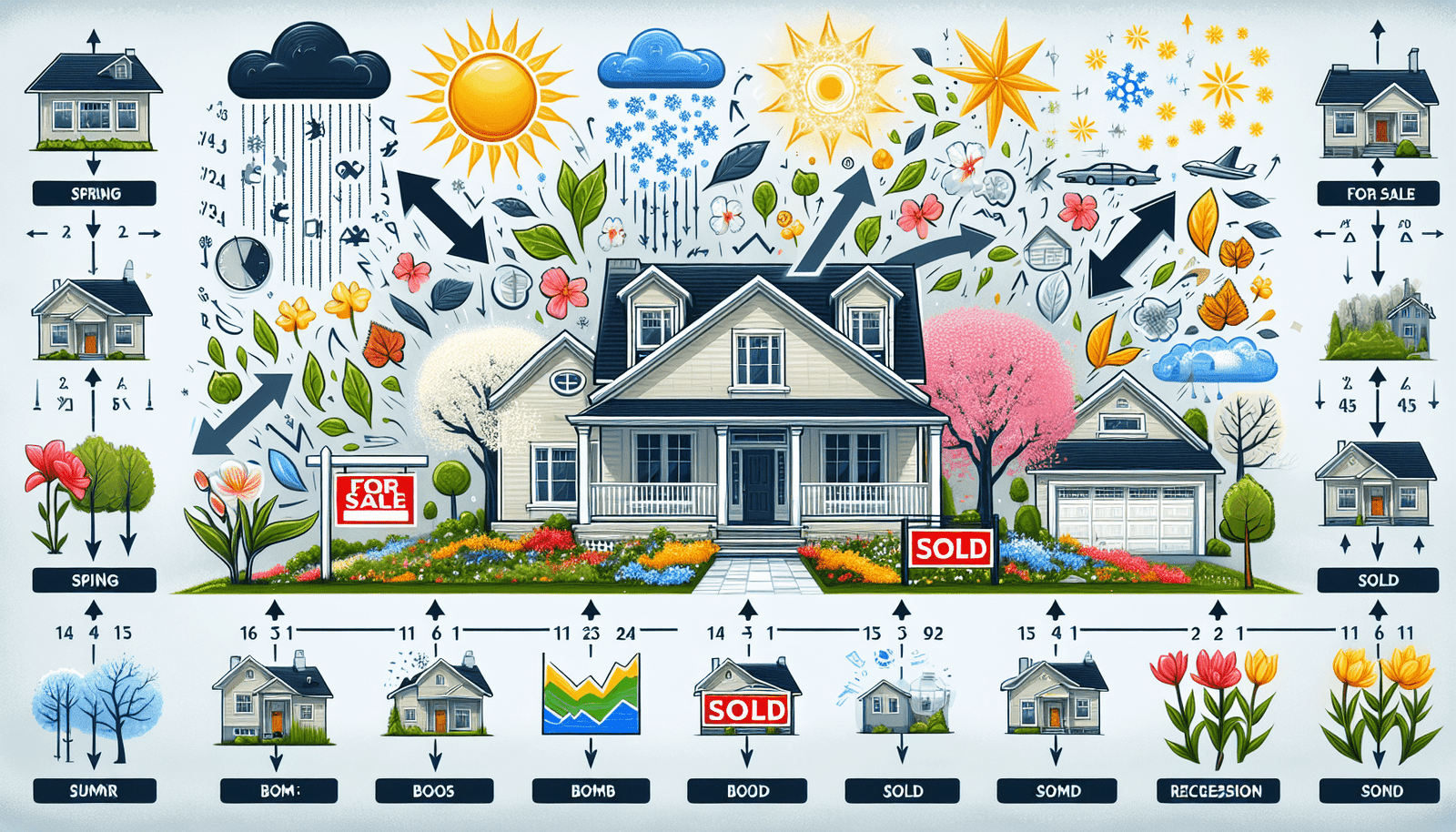

Timing Matters: Selling Property at Its Peak
Selling property is not just about putting a “For Sale” sign on your front lawn and hoping for the best. Timing matters, and selling at the peak can make a significant difference in your success. To engage your audience effectively, provide comprehensive details about the type of property, its unique features, and relevant keywords. It’s important to understand your target market and tailor your content accordingly. Additionally, incorporating strategies and tips for sellers, such as staging, pricing, professional photography, and utilizing online platforms or real estate agents, can greatly enhance your chances. By considering legal and financial considerations, you can provide valuable insights to potential sellers. To make the most of your property sale, it’s essential to consider timing.
Best Time to Sell Property
Selling a property is a significant decision that requires careful consideration. One key factor that can greatly impact the success of your sale is timing. By understanding market cycles, investigating local market trends, considering seasonal fluctuations, and analyzing economic conditions, you can strategically time the sale of your property for maximum profit. In this article, we will explore these factors in-depth and provide valuable insights to help you determine the best time to sell your property.

Understanding Market Cycles
Market cycles play a crucial role in the real estate industry. They refer to the periodic fluctuations in property values and demand. By familiarizing yourself with these cycles, you can make informed decisions about when to sell your property. Real estate markets typically go through four stages: recovery, expansion, hyper supply, and recession. During the recovery and expansion stages, property values tend to rise, making it an opportune time to sell. On the other hand, during the hyper supply and recession stages, property values may decline, making it more challenging to sell for a high profit.
Investigating Local Market Trends
When selling your property, it’s essential to be aware of the local market trends in your area. Each location has its own unique characteristics and factors that can influence property values and demand. Research recent sales data, inventory levels, and average days on market to gain insights into the current state of the local market. This information can help you determine if it’s a seller’s market, where demand exceeds supply, or a buyer’s market, where supply exceeds demand. Selling in a seller’s market can potentially yield higher prices and quicker sales.
Considering Seasonal Fluctuations
Seasonal fluctuations can have a significant impact on the real estate market. Different times of the year attract varying levels of buyer interest and demand. For example, the spring and summer months are often considered the busiest seasons for real estate sales. Many buyers prefer to move during these months when the weather is pleasant, and families can settle into their new homes before the start of the school year. However, this increased demand during peak seasons may also mean more competition from other sellers. Alternatively, selling during the off-peak seasons, such as winter, may result in less competition but potentially lower demand.

Identifying Peak Selling Seasons
To determine the best time to sell your property, it’s crucial to identify the peak selling seasons in your area. This can be influenced by various factors, including local weather patterns, school calendars, and cultural traditions. By analyzing historical sales data and consulting with real estate professionals, you can gain valuable insights into the specific months or seasons when buyer demand and property values are typically at their highest. Capitalizing on these peak selling seasons can increase your chances of securing a faster sale and a higher selling price.
Factoring in Economic Conditions
Economic conditions significantly impact the real estate market. A strong economy with low unemployment rates and steady job growth usually translates to increased buyer confidence and higher demand for properties. On the other hand, an economic downturn can result in reduced buyer confidence and decreased demand. Monitoring economic indicators such as GDP growth, unemployment rates, and consumer sentiment can help you gauge the overall health of the economy and make informed decisions about when to sell your property.
Analyzing Interest Rates
Interest rates play a crucial role in the real estate market, particularly for buyers. When interest rates are low, borrowing costs decrease, making homeownership more affordable and attractive. This can lead to increased buyer demand and potentially higher property prices. Conversely, when interest rates rise, borrowing costs increase, which can deter some buyers from entering the market. By keeping an eye on interest rate trends, you can time your sale to maximize buyer interest and potentially higher sale prices.
Monitoring Buyer Demand
Understanding buyer demand is vital when deciding when to sell your property. High buyer demand means more competition among potential buyers, leading to increased property values and quicker sales. Research the demographic profiles of your target market, such as first-time homebuyers, luxury property investors, or commercial real estate developers. By tailoring your marketing efforts to appeal to the desires and needs of your target buyers, you can attract a larger pool of potential buyers and increase the overall demand for your property.
Researching Competition
An essential aspect of timed selling is researching your competition. By understanding the other properties currently on the market in your area, you can gain insights into the level of competition you may face. Pay attention to factors such as the number of similar properties available, their prices, and their condition. This information can help you set a competitive asking price and position your property uniquely to stand out from the rest. Additionally, by monitoring how long comparable properties have been on the market, you can gauge the level of buyer demand and adjust your selling timeline accordingly.
Consulting with Real Estate Professionals
Real estate professionals, such as agents and brokers, have extensive knowledge and experience in the local market. It’s highly beneficial to consult with them when determining the best time to sell your property. They can provide valuable insights into current market conditions, buyer preferences, and industry trends. Real estate professionals can also help you navigate the selling process, from staging your property to setting the right asking price and negotiating offers. Their expertise can prove invaluable in maximizing your profits and ensuring a smooth and successful sale.
Timing the Sale for Maximum Profit
By considering all the factors mentioned above and carefully analyzing the information gathered, you can time your property sale for maximum profit. Understanding market cycles, investigating local market trends, considering seasonal fluctuations, and analyzing economic conditions can help you make an informed decision about when to sell. By factoring in interest rates, monitoring buyer demand, researching competition, and consulting with real estate professionals, you can further optimize your selling strategy. Remember, timing matters, and choosing the right time to sell your property can make a significant difference in your overall success and profitability.