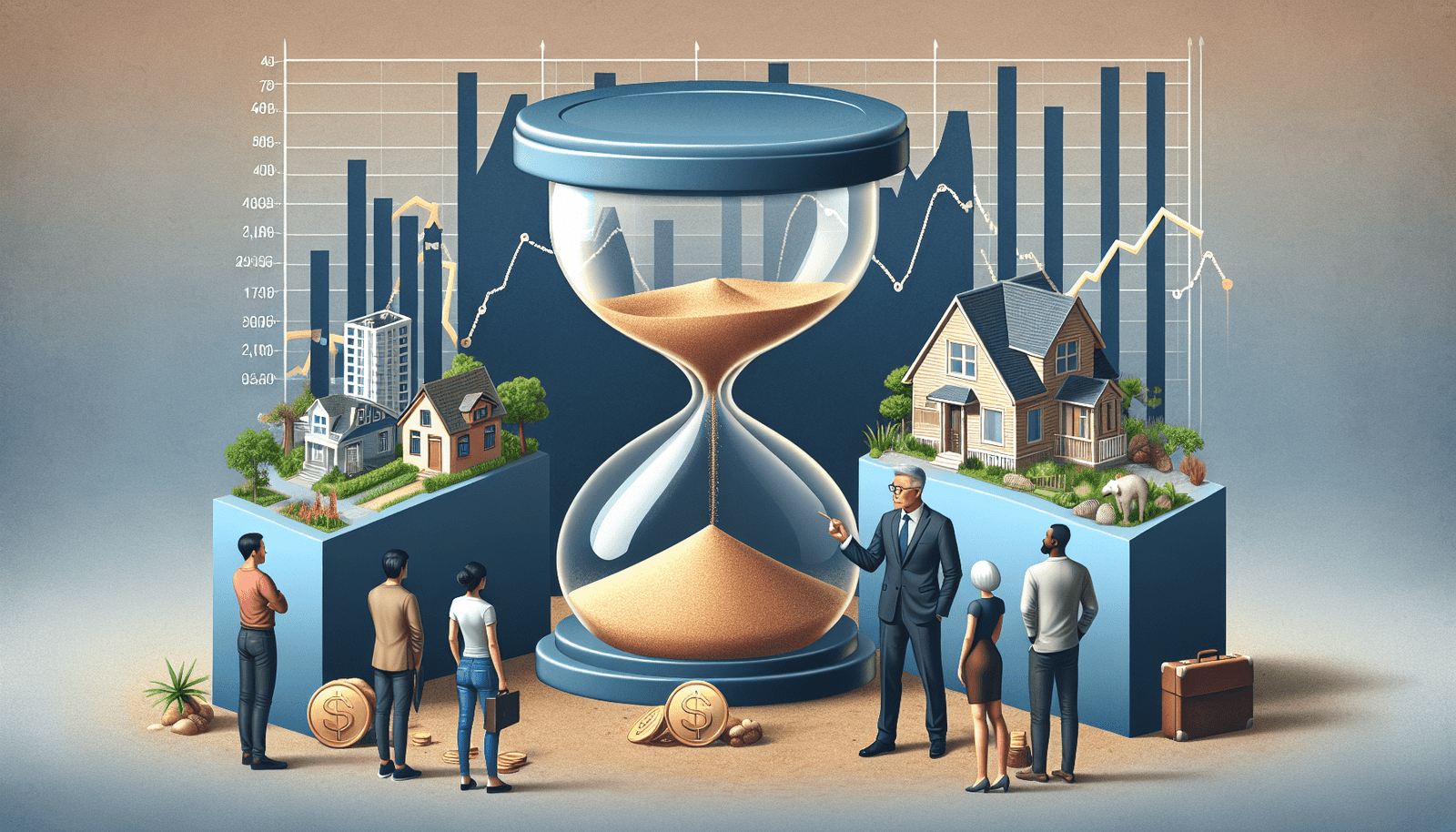

Optimal Timing Strategies for Selling Your Property
When it comes to selling your property, timing can make all the difference. To maximize your chances of a successful sale, it’s important to consider the best time to enter the market. Factors such as the local housing market trends, current interest rates, and the economy at large can greatly impact the demand for properties. In this article, we will explore optimal timing strategies that can help you sell your property at the right moment, ensuring you attract the right buyers and achieve the best possible price. From identifying peak seasons in the real estate market to understanding buyer behavior, we’ll provide insights to help you navigate the ever-changing landscape of property sales. Whether you’re a first-time seller or a seasoned investor, this article is your guide to making the most of your selling experience.

Best Time to Sell Property
Selling a property is a big decision, and timing can play a crucial role in ensuring a successful sale. Understanding the real estate market cycles, seasonal trends, local market conditions, economic factors, and your personal circumstances are all essential factors to consider when determining the best time to sell your property. In this article, we will dive deeper into each of these aspects to help you make an informed decision and maximize the value of your property.
Understanding the Real Estate Market Cycles
The real estate market operates in cycles, with periods of growth and decline. It is important to be aware of these cycles when deciding to sell your property. The market can be influenced by factors such as interest rates, employment rates, and overall economic conditions.
During an upswing or seller’s market, demand for properties tends to be high, and prices are generally on the rise. This can be an opportune time to sell, as you are likely to attract more buyers and possibly secure a higher sale price. However, keep in mind that competition can also be fierce during these periods, so it is crucial to properly prepare your property to stand out from the crowd.
On the other hand, in a downturn or buyer’s market, properties may take longer to sell, and prices may be more competitive. While this may not be ideal for sellers, it can be a good time for buyers looking for a bargain. If you can afford to wait, you may choose to hold onto your property until the market improves.
Understanding the current phase of the real estate market cycle can provide valuable insights into whether it is the right time to sell your property.

Consideration of Seasonal Trends
Seasonal trends can also impact the real estate market, and it is important to take them into account when deciding when to sell. While there are exceptions in certain regions, some general trends can help guide your decision-making process.
Spring and summer are often regarded as the peak seasons for selling a property. The warmer weather and longer days create a more favorable environment for buyers to explore properties, and many families prefer to move during the summer break to minimize disruption to their children’s schooling.
However, it is worth noting that higher demand during this time can also result in more competition among sellers. Therefore, pricing your property appropriately and ensuring it is in its best condition are crucial to attract buyers.
In contrast, the winter months are typically slower in terms of real estate activity. Cold weather and the holiday season often lead to a decrease in buyer interest. However, this can also mean less competition, and serious buyers who are actively searching during this period may be more motivated to make a move.
Ultimately, understanding the seasonal trends in your local area can help you determine the most favorable time to sell your property.
Evaluating Local Market Conditions
Real estate is inherently local, and market conditions vary from one area to another. Therefore, it is essential to evaluate the local market conditions when deciding to sell your property.
Researching recent sales data, including average sale prices and time on market, can give you insight into the current state of the local market. If properties similar to yours are selling quickly and at desirable prices, it may indicate a seller’s market. Conversely, if properties are taking longer to sell or prices are decreasing, it may suggest a buyer’s market.
Additionally, consider factors such as population growth, job opportunities, infrastructure development, and any upcoming projects that could impact the demand for properties in your area. Understanding the local market conditions will help you set realistic expectations and determine the best time to sell your property for optimal results.
Taking into Account Economic Factors
Economic factors can significantly influence the real estate market, and it is important to take them into account when deciding to sell your property.
Interest rates, for example, can affect the affordability of mortgage loans, which can impact the number of potential buyers in the market. Lower interest rates tend to stimulate buyer demand, as borrowing costs decrease. On the other hand, higher interest rates can make it more challenging for buyers to secure financing, potentially reducing the pool of qualified buyers.
Unemployment rates and overall economic stability are also important considerations. During periods of economic uncertainty or recession, buyers may be more cautious and hesitant to make significant financial commitments, such as purchasing a property. In contrast, a strong economy with low unemployment rates can create a more favorable environment for sellers.
Monitoring economic indicators and staying informed about any changes or trends can help you gauge the overall economic climate and make a more informed decision about selling your property.
Timing Based on Personal Circumstances
While external factors such as market cycles, seasonal trends, and local market conditions are important, it is equally crucial to consider your personal circumstances when deciding to sell your property.
Are you ready to move? Do you have a specific timeline in mind? Are there any life events or changes happening that may necessitate a property sale? These are all important questions to ask yourself when determining the best timing for selling your property.
Consider your financial situation as well. Are you in a position to make the necessary repairs or upgrades to maximize your property’s value? Do you have the funds available to cover any potential costs associated with the sale process, such as real estate agent commissions or closing costs?
Additionally, consider your motivation for selling. Are you looking to downsize, upgrade, or relocate? Understanding your goals and priorities will help you align your personal circumstances with the optimal time to sell your property.
In conclusion, the best time to sell your property depends on a combination of factors, including understanding the real estate market cycles, seasonal trends, local market conditions, economic factors, and your personal circumstances. By carefully evaluating each of these aspects and seeking professional advice when needed, you can determine the most favorable timing for selling your property and maximize its value in the market. Remember, real estate is a long-term investment, and strategic timing can make a significant difference in your selling experience.