Increasing Buyer Interest with Historical Property Features
When it comes to selling your property, providing detailed information is key to capturing the attention of potential buyers and maximizing your online visibility. Start by describing the type of property you’re selling, whether it’s a residential home, commercial building, vacation property, or investment real estate. Highlight the unique aspects of the property, such as its location, architecture, history, and amenities, as these factors can greatly influence buyer interest and the value of the property. Don’t forget to incorporate relevant keywords throughout your article, including brand names of high-end appliances, notable architects or builders, and proximity to popular landmarks or desirable community features. Tailor your content to your target market, whether it’s first-time homebuyers, luxury property investors, or commercial real estate developers, by addressing their specific interests and needs. Additionally, provide valuable advice for sellers, such as staging the property, pricing strategies, leveraging online platforms or real estate agents, and discussing legal and financial considerations. By following these strategies, you can increase buyer interest and make your property stand out in the market.

Professional Photography for Real Estate
In the competitive real estate market, it’s important to make a strong first impression with potential buyers. One of the most effective ways to do this is through professional photography. High-quality photos can showcase the property in its best light and attract more interest from buyers. Here are some of the benefits of hiring a professional photographer for real estate:
Benefits of professional photography
-
Increased buyer interest: Professional photos can grab the attention of potential buyers and make them want to learn more about the property. They allow viewers to visualize themselves in the space and imagine what it would be like to live there.
-
Highlighting property features: Professional photographers have an eye for capturing the best angles and features of a property. They know how to showcase the unique selling points, such as architectural details, natural lighting, and spacious rooms.
-
Creating emotional connection: High-quality photos can evoke emotions and create a connection with potential buyers. They can make a property feel warm, inviting, and desirable, leading to increased interest and potential offers.
-
Professional editing and retouching: Professional photographers have editing skills that can enhance the visual appeal of the photos. They can adjust lighting, remove distractions, and make the property look its absolute best.
Tips for hiring a real estate photographer
When hiring a real estate photographer, there are a few key factors to consider:
-
Experience: Look for a photographer who specializes in real estate photography and has a portfolio of past work to showcase their skills.
-
Professional equipment: Ensure that the photographer uses professional-grade equipment, including a high-quality camera, tripod, and wide-angle lens, to capture the property accurately.
-
Knowledge of real estate market: Find a photographer who understands the unique needs and requirements of the real estate market. They should know how to accentuate the property’s features and appeal to potential buyers.
-
Affordability: Consider your budget and find a photographer whose prices align with your expectations. Remember that professional photography is an investment that can yield a higher selling price and faster sale.
Staging the Property
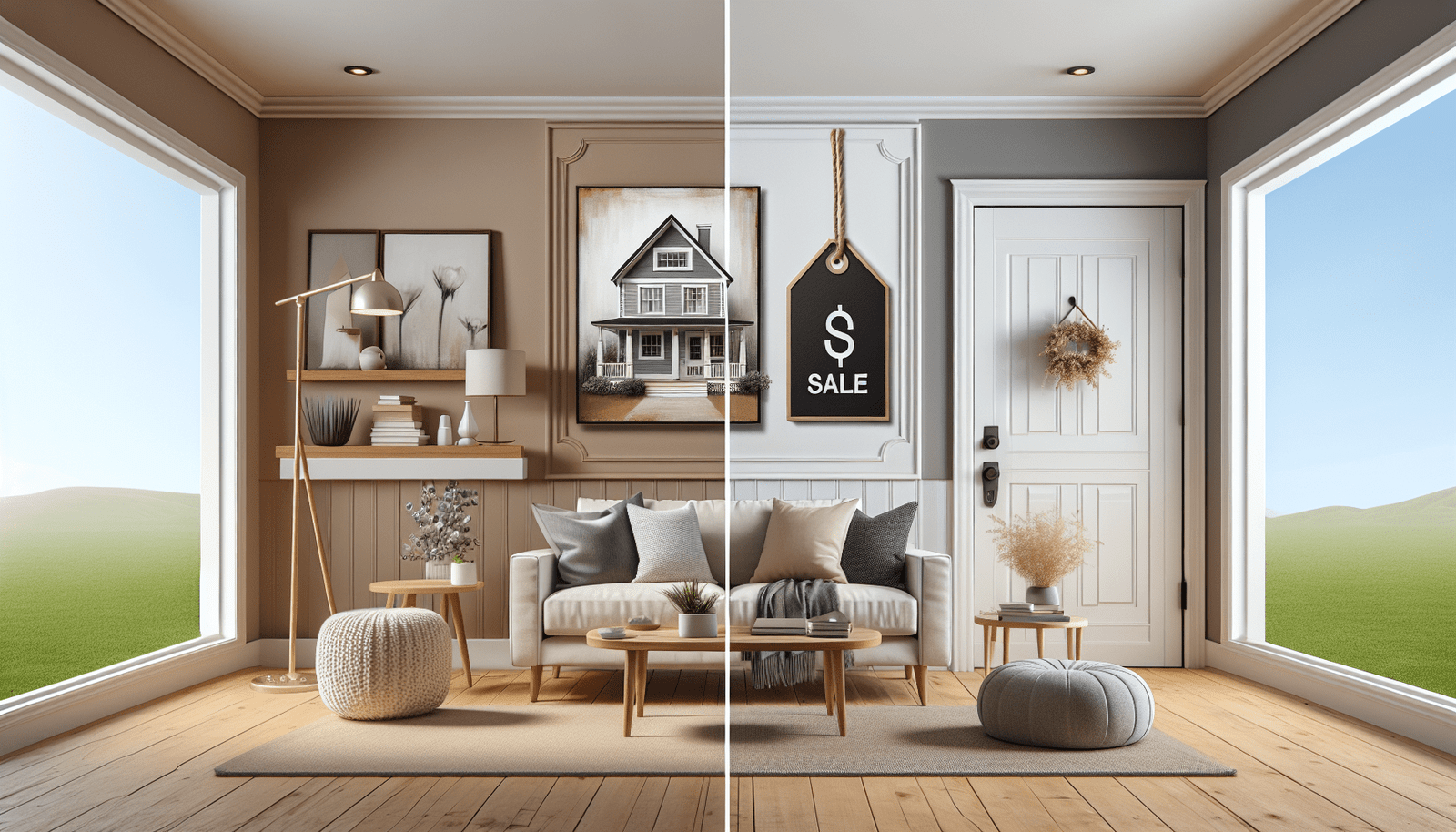
While professional photography can make a great first impression, staging the property is equally important. Staging enhances the overall look and feel of the space, allowing potential buyers to envision themselves living there. Here are some reasons why staging is crucial for buyer interest:
Importance of staging for buyer interest
-
Creating a sense of space: Staging helps to maximize the space in each room, making it appear more open and inviting. It allows buyers to see the full potential of the property and how their own furniture and belongings could fit.
-
Highlighting key features: Staging can draw attention to the property’s best features, such as a beautiful fireplace, high ceilings, or intricate architectural details. It can also help to define the purpose of each room and showcase its functionality.
-
Neutralizing the space: Staging with neutral decor and furnishings can appeal to a wider range of potential buyers. It allows them to visualize their own style and personal touches in the space, rather than being overwhelmed by someone else’s taste.
Ideas for staging historical properties
Staging a historical property requires a careful balance between preserving its unique charm and showcasing its potential. Here are some ideas for staging historical properties:
-
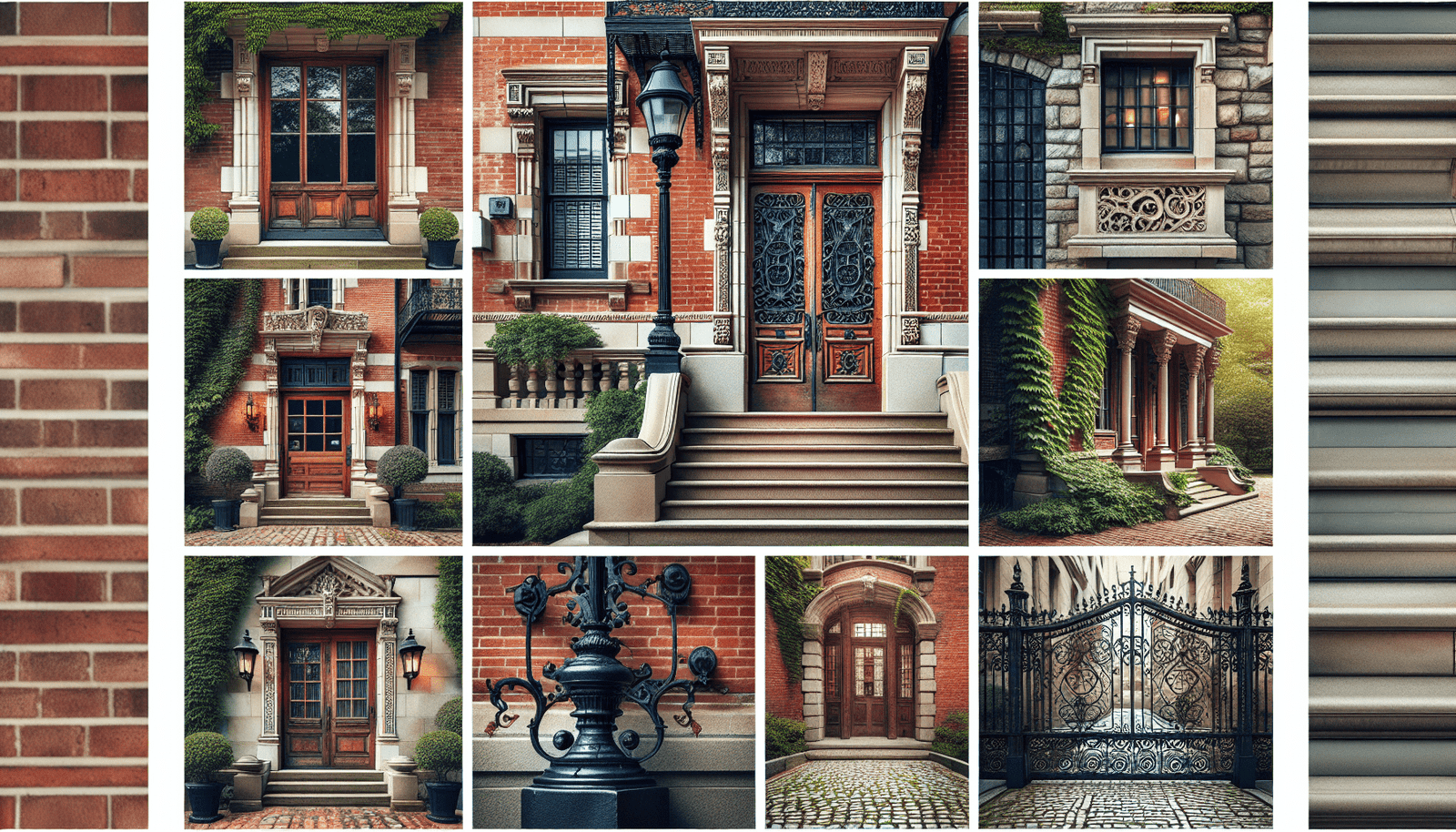
Highlight historical features: Emphasize the original architectural details, such as exposed brick walls, decorative moldings, or original hardwood floors. These features can be a major selling point for historical property buyers.
-
Choose appropriate furniture: Opt for furniture and decor that complements the era of the property. Vintage or antique pieces can enhance the historical ambiance and create a cohesive design theme throughout.
-
Tell a story: Use staging to tell the story of the property’s history. Incorporate historical artifacts, photographs, or artwork that reflect the property’s past. This can create a sense of nostalgia and intrigue for potential buyers.
Working with a professional stager
If you’re unsure about how to stage the property yourself, consider working with a professional stager. They have the expertise and knowledge to create a visually appealing and marketable space. A professional stager can provide valuable insights on furniture placement, decor choices, and overall design concepts that can attract buyers and maximize the property’s potential.

Historic Architectural Features
Historical properties often boast unique architectural features that add to their character and appeal. Properly identifying and highlighting these features can enhance the property’s value and attract potential buyers. Here are some tips to showcase historical architectural features through photography:
Identifying and highlighting architectural features
Start by identifying the key architectural features of the property. These may include ornate trim work, stained glass windows, vintage light fixtures, or original fireplaces. Once identified, find ways to highlight these features in your photographs. Use strategic angles, lighting, and composition to draw attention to the architectural details that make the property special.
Researching the historical significance of the property
To effectively showcase historical architectural features, it’s important to research the historical significance of the property. Learn about its original purpose, notable previous owners, or any historical events associated with the property. Sharing this information with potential buyers can create a sense of connection and make them appreciate the property’s unique place in history.
Preserving and restoring historical features
Preserving and restoring historical features is essential to maintaining the property’s charm and historical value. Before showcasing these features, ensure they are well-maintained and properly restored. Working with professionals who specialize in historical restoration can ensure that the features are preserved correctly and highlight their original beauty.
Increasing Curb Appeal
Curb appeal plays a crucial role in attracting potential buyers. When it comes to historical properties, enhancing the exterior with historical features and maintaining a well-kept appearance can significantly impact buyer interest. Here are some ways to increase curb appeal for historical properties:
Enhancing the property’s exterior with historical features
Consider incorporating historical elements into the property’s exterior design. This may include the use of period-appropriate doors, windows, or architectural accents. These features can enhance the property’s overall aesthetic and create a sense of authenticity.
Landscaping and gardening tips for historical properties
Proper landscaping and gardening can greatly enhance the curb appeal of historical properties. Consider planting trees, shrubs, or flowers that are common to the property’s era or region. This can create a cohesive and visually appealing landscape that complements the historical character of the property.
Creating an inviting and visually appealing entrance
The entrance of a property is often the first thing potential buyers see. Make it visually appealing and inviting by adding a historical-inspired front door, porch furniture, or decorative elements. Ensure that any walkways or pathways leading to the entrance are well-maintained and free of clutter.

Highlighting Historical Significance
One of the unique selling points of historical properties is their historical significance. To effectively market these properties, it’s important to research the property’s history and find ways to highlight its past to potential buyers. Here are some suggestions:
Researching the property’s history and backstory
Start by conducting thorough research on the property’s history. Look for historical records, photographs, or any notable events associated with the property. This information can be used to create a compelling narrative that appeals to potential buyers.
Telling the story of the property’s past to potential buyers
Craft a story that encapsulates the property’s history and share it with potential buyers. This can be done through engaging property descriptions, blog posts, or social media content. Help potential buyers envision themselves as part of the property’s story and create an emotional connection.
Emphasizing the value of owning a piece of history
Highlight the value of owning a historical property. Mention the rarity and uniqueness of owning a piece of history, as well as the pride and sense of heritage that comes with it. Many buyers are drawn to the idea of preserving and being a caretaker of history, and emphasizing this can increase their interest.
Promoting Location and Neighborhood
In addition to the historical significance of the property itself, promoting the location and neighborhood can further attract potential buyers. Here are some strategies for highlighting the historical significance of the neighborhood:
Emphasizing the historical significance of the neighborhood
Research the historical significance of the neighborhood surrounding the property. Highlight any historical landmarks, events, or influential figures that have shaped the area. This can create additional appeal for potential buyers who are interested in history and want to be part of a historically rich community.
Highlighting nearby amenities and attractions
Identify and showcase nearby amenities and attractions that potential buyers may find appealing. This could include parks, museums, shopping districts, or restaurants that are within walking distance of the property. Highlighting these features can make the property more desirable and increase buyer interest.
Showcasing the property’s proximity to historical sites
If the property is located near other significant historical sites or attractions, make sure to mention this in your marketing materials. Potential buyers who are interested in history may be drawn to the convenience of living close to other historically significant locations.

Preserving and Restoring Original Features
Preserving and restoring original features in historical properties is crucial for maintaining their authenticity and charm. Here are some reasons why preserving and restoring historical features is important:
Benefits of preserving and restoring historical features
-
Maintaining historical integrity: Historical features contribute to the unique character and identity of the property. Preserving and restoring these features ensures that the property retains its historical integrity and authenticity.
-
Increased value: Historical features often add value to the property. Restored and well-maintained features can attract buyers who appreciate the craftsmanship and historical significance, potentially leading to a higher selling price.
-
Enhanced market appeal: Many buyers are specifically looking for historical properties that retain their original charm. By preserving and restoring historical features, the property becomes more appealing to this niche market.
Working with professionals to ensure proper restoration
When it comes to preserving and restoring historical features, it’s important to work with professionals who specialize in historical restoration. They have the knowledge, expertise, and materials necessary to restore the features while maintaining their original integrity.
Showcasing the property’s original character and charm
Once the historical features have been preserved and restored, be sure to showcase them in your marketing materials. Highlight the craftsmanship, attention to detail, and unique character that these features bring to the property. This can attract buyers who value the property’s original charm and historical significance.
Marketing to the Target Audience
To effectively market historical properties, it’s important to identify and understand the target audience. Tailoring your marketing efforts to this specific audience can enhance the effectiveness of your marketing strategies. Here are some tips for marketing to the target audience:
Identifying the target audience for historical properties
Consider who would be most interested in purchasing a historical property. This could include history enthusiasts, preservationists, or individuals looking for unique and storied homes. By identifying the target audience, you can tailor your marketing messages to their specific interests and needs.
Crafting a compelling narrative that appeals to the target audience
Develop a narrative that resonates with the target audience. Share the unique stories and historical significance of the property in a way that appeals to their interests and values. This can create an emotional connection and make potential buyers more inclined to consider the property.
Utilizing targeted marketing channels
Utilize targeted marketing channels to reach the intended audience. This could include online platforms, social media channels, or niche publications focused on historical properties or preservation. By focusing on these channels, you can increase the visibility of your marketing efforts to the right audience.
Leveraging Online Platforms and Real Estate Agents
To maximize the exposure of historical properties, it’s important to leverage online platforms and work with real estate agents who understand the unique needs of historical property buyers. Here’s how to do it effectively:
Choosing the right online platforms for listing historical properties
Research and choose online platforms that cater to historical property buyers. Look for platforms that specialize in historical or unique properties, as well as those with a strong user base of potential buyers. This will help ensure that your listing reaches the right audience.
Working with real estate agents who understand historical properties
Choose real estate agents who have experience and knowledge in selling historical properties. They can effectively market the property to the right audience, provide valuable insights and advice, and negotiate on your behalf. Their expertise can make a significant difference in the success of your sale.
Maximizing exposure through online marketing
In addition to listing on dedicated platforms, utilize online marketing strategies to maximize exposure. This can include using social media platforms, creating virtual tours, or producing high-quality video content that showcases the property’s historical charm. The more exposure the property receives, the higher the chances of attracting interested buyers.
Legal and Financial Considerations
Selling historical properties involves specific legal and financial considerations that sellers need to be aware of. Here are some factors to keep in mind:
Understanding tax implications for historical properties
Research the tax implications associated with selling a historical property. Depending on the location and historical designation of the property, there may be tax incentives or grants available. Consult with a tax professional to ensure you take advantage of all available benefits and understand any potential tax liabilities.
Factoring in potential restoration costs
Consider the potential costs of restoring or maintaining the property’s historical features. Restoration can be a significant expense, so it’s important to factor this into your selling price. Highlighting any recent or necessary repairs and renovations can provide potential buyers with a clearer picture of the property’s condition.
Navigating the legal requirements for selling historical properties
Selling historical properties may involve additional legal requirements. This can include obtaining permits or approvals for renovations, complying with historical preservation guidelines, or disclosing any known historical value or restrictions to potential buyers. Work with legal professionals who specialize in historic property sales to navigate these requirements successfully.
By understanding and addressing these legal and financial considerations upfront, you can ensure a smoother selling process and minimize potential complications.
In conclusion, successfully marketing and selling historical properties requires a strategic approach. From professional photography and staging to highlighting historical significance and leveraging targeted marketing, each step plays a vital role in attracting the right buyers. By taking the time to showcase the property’s unique features and historical charm, you can increase buyer interest, optimize your selling price, and find the perfect new owner for your piece of history.