

Financial Considerations in Selling Property Without an Agent
Are you considering selling your property without the help of a real estate agent? If so, there are important financial considerations you should keep in mind. In this article, we will explore the various aspects of selling property without an agent and provide valuable tips and strategies to help you navigate the process successfully. From understanding your target market to incorporating staging techniques and leveraging online platforms, we will cover all the essentials to maximize your chances of a profitable sale. We will also discuss the legal and financial implications involved in property transactions, ensuring you are well-informed and prepared every step of the way. Whether you’re a first-time home seller or an experienced investor, this article is your comprehensive guide to selling property without an agent.

Understanding the Market
Identifying the target market
When selling your property without an agent, it is essential to identify your target market. Are you selling to first-time homebuyers, luxury property investors, or commercial real estate developers? Understanding your audience will help you tailor your marketing efforts and appeal to their specific interests and needs. By identifying your target market, you can create a more targeted and effective marketing strategy.
Researching market trends and demand
Before listing your property, it’s crucial to research market trends and demand in your area. This will help you understand the current state of the real estate market and determine the best time to sell. Look for information on average sale prices, days on the market, and inventory levels. By staying informed about market trends and demand, you can make informed decisions and set the right price for your property.
Analyzing local property values
Analyzing local property values is key to determining the right selling price for your property. Take a look at recent sale prices of comparable properties in your area to get an idea of what buyers are willing to pay. Factors such as location, size, condition, and amenities will affect the value of your property. By analyzing local property values, you can ensure that your asking price is competitive and realistic.
Determining Property Value
Comparative Market Analysis (CMA)
A Comparative Market Analysis (CMA) is a valuable tool for determining the value of your property. A CMA involves analyzing recent sale prices of similar properties in your area. By comparing your property to these recent sales, you can get an idea of what buyers are willing to pay. A CMA takes into account factors such as location, size, condition, and amenities. It helps you set a competitive yet realistic asking price for your property.
Getting a property appraisal
Getting a property appraisal is another way to determine the value of your property. An appraiser will visit your property and evaluate its condition, features, and market value. They will compare your property to similar properties that have recently sold in your area. An appraisal provides an unbiased opinion of your property’s value and can help you set the right asking price.
Considering the property’s condition and potential
When determining the value of your property, it’s essential to consider its condition and potential. Assess any necessary repairs or renovations that need to be done before listing. Additionally, consider any unique features or potential improvements that could increase the value of your property. By taking into account the property’s condition and potential, you can accurately determine its value and market it accordingly.
Listing and Marketing
Preparing the property for sale
Preparing your property for sale is crucial to attract potential buyers. Start by cleaning and decluttering the property to create a clean and inviting space. Consider staging the property to showcase its potential and help buyers envision themselves living there. Making necessary repairs and renovations can also make your property more appealing to buyers. By preparing your property for sale, you can make a positive first impression and increase its marketability.
Creating engaging property listings
When listing your property, it’s essential to create engaging and informative property listings. Start with high-quality photos that showcase the property’s best features. Use descriptive and persuasive language to highlight the property’s unique selling points. Include relevant details such as the number of bedrooms and bathrooms, square footage, and any special amenities. By creating engaging property listings, you can attract more potential buyers and generate interest in your property.
Utilizing online platforms and social media for marketing
In today’s digital age, utilizing online platforms and social media is a must for effective property marketing. List your property on popular real estate websites to reach a wide audience of potential buyers. Use social media platforms such as Facebook, Instagram, and LinkedIn to promote your property to your network and beyond. Engage with potential buyers by responding to inquiries and providing additional information. By utilizing online platforms and social media, you can increase the visibility and reach of your property listing.
Negotiating and Closing Deals
Handling negotiations without an agent
Negotiating the sale of your property without an agent can be intimidating, but with the right approach, it can be successful. Start by understanding your bottom line, the minimum price you’re willing to accept. Research comparable sales and market trends to support your asking price. Stay open to offers and be prepared to negotiate. Understand that negotiations may involve more than just the sales price, but also terms and contingencies. By taking a proactive and informed approach to negotiations, you can successfully close a deal on your property.
Understanding legal documentation
When selling your property, understanding legal documentation is crucial. Familiarize yourself with the necessary paperwork, such as purchase agreements, disclosures, and addendums. Consider consulting with a real estate attorney to ensure that all legal requirements are met and to protect your interests. Understanding the legal documentation involved in the selling process will help you navigate the transaction smoothly and avoid any potential legal pitfalls.
Calculating closing costs and fees
When selling your property, it’s essential to calculate closing costs and fees. These costs can include real estate commissions, title fees, attorney fees, and transfer taxes, among others. To get an accurate estimate of your closing costs, consult with professionals such as a real estate attorney or title company. By calculating closing costs and fees upfront, you can avoid any surprises and ensure a smooth closing process.
Legal Considerations
Understanding local real estate laws and regulations
Before selling your property, it’s crucial to understand local real estate laws and regulations. Familiarize yourself with any specific requirements or disclosures that need to be made. Ensure that you comply with fair housing laws and any other legal obligations. By understanding local real estate laws and regulations, you can ensure that your sale process is legally sound and avoid potential legal issues.
Drafting a legally binding purchase agreement
When selling your property, you will need to draft a legally binding purchase agreement. This document outlines the terms and conditions of the sale, including the purchase price, contingencies, and timelines. Consider consulting with a real estate attorney to ensure that your purchase agreement is legally sound and protects your interests. By drafting a legally binding purchase agreement, you can establish clear expectations and protect yourself throughout the selling process.
Disclosing property defects and issues
When selling your property, it’s essential to disclose any known defects or issues. Failure to disclose such information can lead to legal repercussions down the line. Provide potential buyers with a comprehensive disclosure statement that outlines any known issues with the property. If in doubt, consult with a real estate attorney to ensure that you are fulfilling your legal obligations. By disclosing property defects and issues, you can build trust with potential buyers and avoid legal disputes in the future.
Financial Considerations
Evaluating selling costs and potential savings
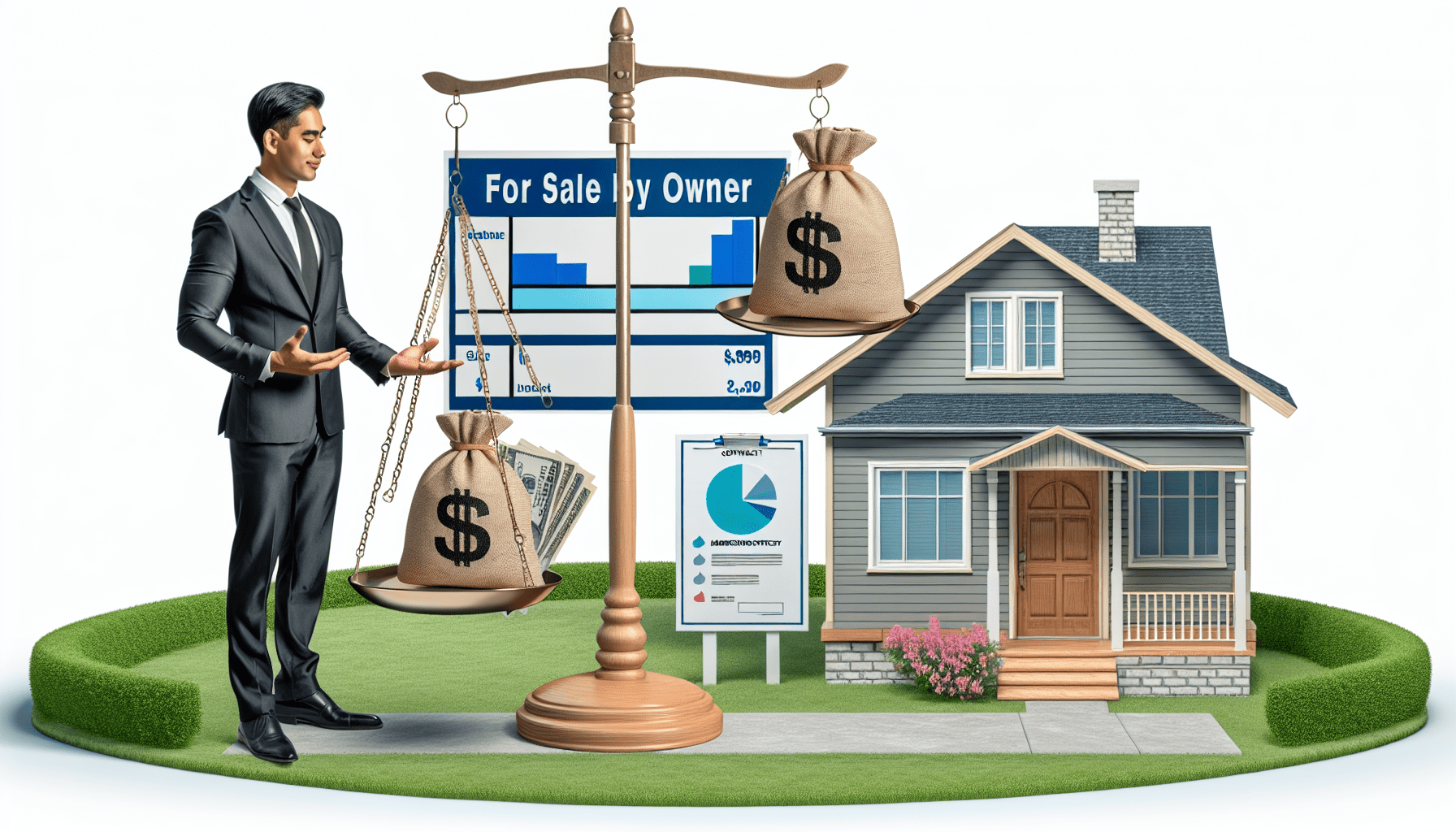
Before selling your property, it’s essential to evaluate the selling costs and potential savings. Take into account expenses such as marketing and advertising, repairs and renovations, legal fees, and closing costs. Compare these costs to the potential savings of not paying a real estate agent’s commission. By evaluating the selling costs and potential savings, you can make an informed decision about selling your property without an agent.
Calculating capital gains tax
Selling a property typically triggers capital gains tax, which is a tax on the profit made from selling the property. Consult with a tax professional to understand the specific tax implications of selling your property. Factors such as the length of time you owned the property and your income level can affect the amount of capital gains tax you will owe. By calculating capital gains tax, you can accurately estimate your net proceeds from the sale of your property.
Determining if a 1031 exchange is applicable
A 1031 exchange is a tax-deferred strategy that allows property owners to sell a property and reinvest the proceeds into a like-kind property, deferring capital gains tax. Consult with a tax professional to determine if a 1031 exchange is applicable to your situation. By utilizing a 1031 exchange, you can potentially save on taxes and continue growing your real estate portfolio.
Preparing the Property for Sale
Cleaning, decluttering, and staging the property
Preparing your property for sale involves cleaning, decluttering, and staging. Clean your property thoroughly to create a welcoming environment for potential buyers. Remove any personal belongings and clutter to create a blank canvas that allows buyers to envision their own style and belongings in the space. Consider staging the property with neutral furniture and decor to highlight its potential. By cleaning, decluttering, and staging the property, you can make it more appealing to potential buyers.
Making necessary repairs and renovations
Before listing your property, take the time to make any necessary repairs and renovations. Fix any plumbing or electrical issues, repair damaged walls or floors, and address any safety concerns. Consider updating outdated fixtures or appliances to make your property more desirable. By making necessary repairs and renovations, you can increase the value and marketability of your property.
Enhancing curb appeal and creating a positive first impression
First impressions matter when selling a property. Enhancing curb appeal can create a positive first impression for potential buyers. Ensure that your property’s exterior is well-maintained, with trimmed lawns, a clean driveway, and a welcoming entryway. Consider adding planters or flowers to add color and visual appeal. By enhancing curb appeal and creating a positive first impression, you can attract potential buyers and make your property more memorable.
Setting the Right Price
Researching comparable sales in the area
Setting the right price for your property involves researching comparable sales in the area. Look for recently sold properties that are similar in size, location, and condition. Consider factors such as amenities or unique features that may differentiate your property. By researching comparable sales, you can get an understanding of what buyers are willing to pay and set a competitive yet realistic asking price.
Considering market conditions and demand
Market conditions and demand play a significant role in setting the right price for your property. Assess whether it is a buyer’s or seller’s market and consider the level of competition in your area. High demand and low inventory may allow for a higher asking price, while a buyer’s market may require pricing your property more competitively. By considering market conditions and demand, you can adjust your asking price to attract potential buyers.
Determining a competitive yet realistic asking price
The right asking price strikes a balance between being competitive and realistic. While you want to maximize your return on investment, setting an unrealistically high price can deter potential buyers. Consult with professionals such as appraisers or real estate agents to get an unbiased opinion on the value of your property. By determining a competitive yet realistic asking price, you can attract interested buyers and increase your chances of a successful sale.
Marketing Strategies
Creating high-quality property photos and videos
In today’s digital age, high-quality property photos and videos are essential for effective marketing. Invest in professional photography to showcase your property’s best features. Consider using drone photography or 3D virtual tours to provide a comprehensive view of the property. By creating high-quality property photos and videos, you can capture the attention of potential buyers and make a lasting impression.
Writing persuasive property descriptions
When marketing your property, writing persuasive property descriptions is crucial. Highlight the property’s unique selling points, such as its location, amenities, or architectural features. Use descriptive language to paint a picture of what it would be like to live in the property. Incorporate keywords that resonate with your target audience to improve search visibility. By writing persuasive property descriptions, you can captivate potential buyers and generate interest in your property.
Utilizing online listing platforms and social media
Online listing platforms and social media are powerful tools for marketing your property. List your property on popular real estate websites to reach a wide audience of potential buyers. Create a dedicated website or landing page with detailed information about your property. Utilize social media platforms such as Facebook, Instagram, and LinkedIn to promote your property and engage with potential buyers. By utilizing online listing platforms and social media, you can expand your property’s reach and generate interest from a broader audience.
Navigating the Closing Process
Hiring a real estate attorney
When navigating the closing process without an agent, it may be beneficial to hire a real estate attorney. A real estate attorney can provide guidance, review legal documentation, and ensure that the transaction is legally sound. They can also help protect your interests during negotiations and throughout the closing process. By hiring a real estate attorney, you can navigate the closing process with confidence and peace of mind.
Understanding the role of escrow
Escrow is a neutral third-party that holds funds and documents during the closing process. Understand the role of escrow and how it works in your particular situation. Escrow protects both the buyer and seller by ensuring that all conditions of the sale are met before funds and documents are released. By understanding the role of escrow, you can navigate the closing process smoothly and ensure a secure transaction.
Coordinating inspections and appraisals
Inspections and appraisals are an important part of the closing process. Coordinate these evaluations with the buyer to ensure a smooth process. Inspections help identify any potential issues or repairs needed before the sale is finalized. Appraisals verify the value of the property for the buyer’s lender. By coordinating inspections and appraisals, you can ensure that both parties have a clear understanding of the property’s condition and value, leading to a successful closing.