Home Sale Made Easy: Quick Tips for Success
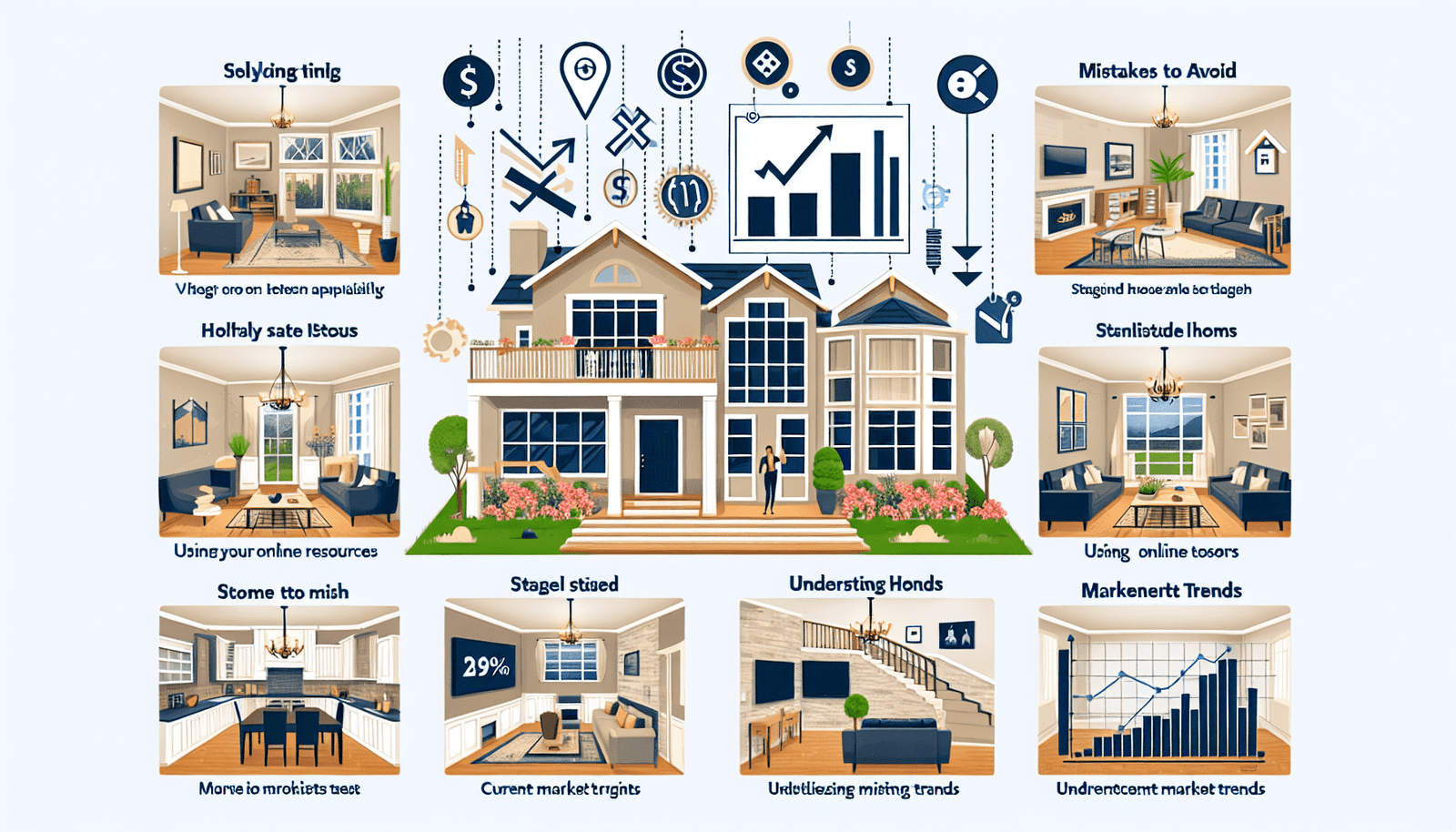
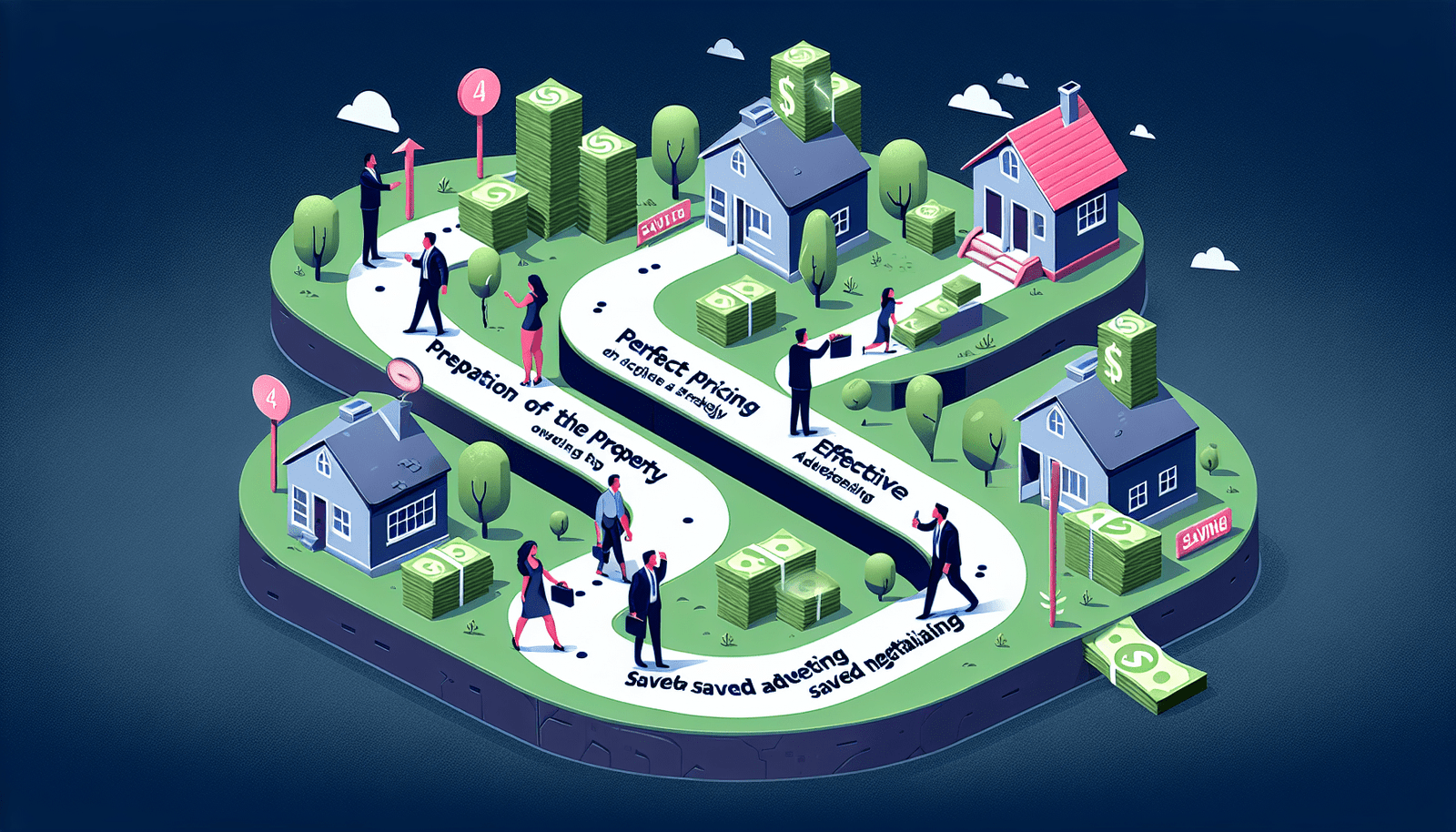
Selling your home can be a daunting task, but with these quick tips for success, the process will become much easier. Start by providing comprehensive details about your property, including its type, unique features, and amenities. Incorporate relevant keywords throughout your article to optimize its visibility and appeal to the target market. Additionally, offer strategies and tips for sellers, such as staging the property, pricing strategies, and utilizing online platforms or real estate agents. By following these guidelines, you’ll be well on your way to a successful home sale.

Curb Appeal
When it comes to selling your home, first impressions matter. Boosting the exterior appearance of your property can make a significant difference in attracting potential buyers. Start by giving your home a fresh coat of paint, ensuring that it looks clean and well-maintained. Consider adding some colorful plants or flowers to your front yard to create an inviting atmosphere. It’s also important to keep the landscaping neat and tidy, so make sure to mow the lawn, trim bushes, and remove any weeds. Lastly, don’t forget to make any necessary repairs, such as fixing any cracked sidewalks or broken fences. These small improvements can greatly enhance the curb appeal of your home and make it more appealing to buyers.
Home Staging
Decluttering and depersonalizing your home is essential when staging it for sale. Remove any personal items, such as family photos or memorabilia, as this allows potential buyers to envision their own belongings in the space. Remove excess furniture and rearrange the remaining pieces to create better flow and maximize the space. Consider hiring a professional home stager who can bring in tasteful decor and furniture to make your home look its best. By creating a clean, neutral, and inviting space, you can help potential buyers see the true potential of your home.
Pricing Strategy
Determining the right price for your home is crucial to attract potential buyers and sell your property quickly. Begin by researching market comparables, which are similar properties in your area that have recently sold or are currently on the market. Analyze their listing prices, square footage, features, and condition to get an accurate understanding of the market value. Additionally, consider the current market conditions, such as whether it’s a seller’s or buyer’s market, to adjust your pricing strategy accordingly. Ultimately, it’s important to price your property competitively to generate interest and attract serious buyers.
Professional Photography
High-quality photographs can make a world of difference when it comes to marketing your home online. Hiring a professional real estate photographer is highly recommended as they have the expertise and equipment to capture your property in the best light. Before the photo shoot, make sure to stage the property by arranging furniture, removing clutter, and adding tasteful decor. This will help highlight the key features and create a visually appealing listing. Remember, potential buyers often make their first impression of a property online, so investing in professional photography is a worthwhile investment.
Online Marketing
In today’s digital age, online marketing plays a crucial role in selling your home. Creating a compelling listing description is essential to attract potential buyers. Highlight the key features of your property, such as any recent renovations, unique amenities, or desirable neighborhood characteristics. Use high-quality photos of your staged home in the listing to showcase its true potential. Additionally, leverage the power of social media to promote your property. Share your listing across different platforms, join local real estate groups, and engage with prospective buyers online. By maximizing your online presence, you can increase your reach and attract more interested buyers.
Real Estate Agent
Hiring a reputable real estate agent can greatly simplify the home selling process and increase your chances of a successful sale. A qualified agent will have an in-depth knowledge of the local market, access to a network of potential buyers, and the expertise to navigate negotiations and paperwork. They can provide valuable advice on pricing your home, staging it effectively, and marketing it to the right audience. Additionally, an experienced agent can handle all the communication and negotiation on your behalf, saving you time and stress. When choosing an agent, look for someone with a strong track record, positive reviews, and excellent communication skills.
Legal Considerations
Understanding the legal aspects of selling a property is crucial to ensure a smooth transaction. Familiarize yourself with local real estate laws and regulations to ensure that you comply with all requirements. Prepare all necessary documents, such as the property deed, title report, and any disclosures required by law. It’s also wise to consider hiring a real estate attorney to guide you through the legal process and protect your interests. They can review contracts, address any potential legal issues, and provide insight on important considerations, such as inspection contingencies or title transfers. By staying informed and seeking professional advice, you can avoid any legal pitfalls and ensure a successful sale.
Financial Considerations
Before selling your home, it’s important to consider the financial implications. Calculate estimated closing costs, which can include fees for real estate agents, attorneys, title searches, and inspections. Understanding these costs will help you determine your bottom line and set realistic expectations for the selling price. Additionally, familiarize yourself with any tax implications of selling your property, such as capital gains tax. Consult with a tax professional to understand the specific tax laws and exemptions that may apply to your situation. Finally, explore financing options to understand how the sale of your home may impact your overall financial position. By carefully considering these financial factors, you can make informed decisions and ensure a successful and profitable sale.
Open Houses and Showings
Hosting open houses and scheduling private showings are essential to give potential buyers the opportunity to view your property in person. When hosting open houses, create a welcoming and inviting atmosphere. Declutter and clean your home thoroughly, and add some tasteful decor to enhance its appeal. Make sure to create clear pathways and allow for easy navigation throughout the property. During private showings, be accommodating and flexible with potential buyers’ schedules. Allow them to take their time to explore the property and encourage them to ask questions. By creating a positive and inviting environment, you can help potential buyers envision themselves living in your home and increase the chances of a successful sale.
Negotiation and Closing
Once you start receiving offers, it’s time to negotiate and navigate the closing process. When negotiating offers and counteroffers, work closely with your real estate agent to determine the best approach. Consider factors such as the buyer’s financial situation, contingencies, and proposed timelines. Review contracts and contingencies carefully to ensure that your interests are protected. Seek legal advice if necessary to fully understand the terms and conditions of the agreement. Finally, prepare for the closing process by gathering all necessary documentation and coordinating with your real estate agent and attorney. By staying organized and informed, you can navigate the negotiation and closing process smoothly and successfully conclude the sale of your home.