Mastering Pricing Strategies to Sell Your House Faster
If you’re looking to sell your house faster, mastering pricing strategies is key. In order to effectively engage your audience and optimize your content for search visibility, it’s important to provide comprehensive details about your property. Start by highlighting the type of property involved and its unique features, such as location, architecture, history, and amenities. Including relevant keywords throughout your article, addressing the target market, and incorporating strategies and tips for sellers will further enhance your chances of a successful sale. Don’t forget to touch on important legal and financial considerations as well. With these insights, you’ll be well-equipped to navigate the process and sell your house with confidence.
Choosing the Right Price
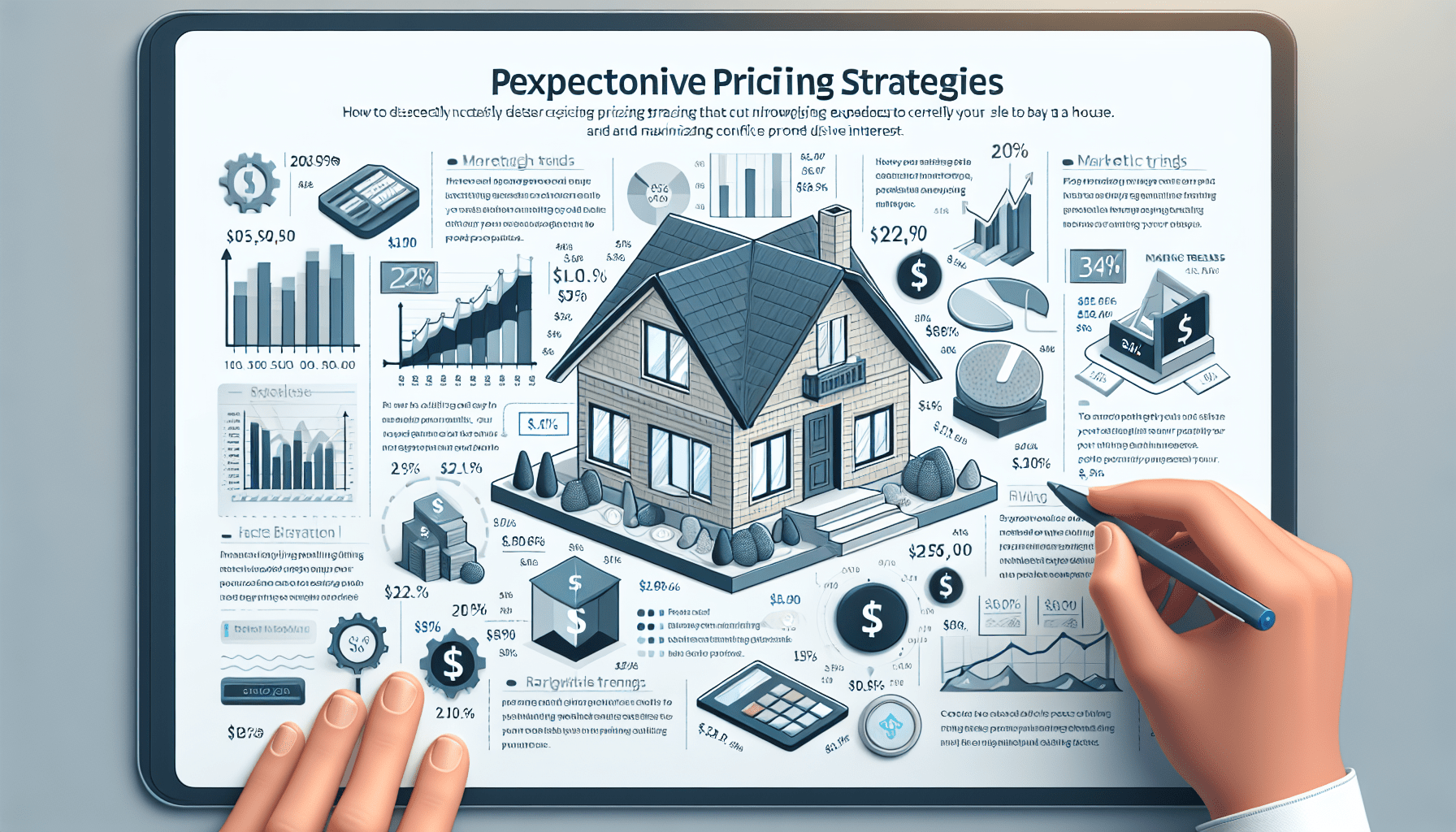
Setting the right price is essential when it comes to selling your house. It can determine how quickly your property sells and how much profit you make. To determine the right price, there are several factors you need to consider.
Research the Market
Before setting a price for your house, it’s crucial to research the current real estate market. Look for trends and patterns in your area to understand the demand and supply dynamics. Analyze recent sales data and compare it to your property to get an idea of the market value.
Consider Comparable Sales
Another useful strategy is to look at comparable sales in your neighborhood. Find properties similar to yours in terms of size, condition, location, and amenities that have recently sold. This will give you a benchmark to determine how your property should be priced.
Evaluate Current Market Conditions
Additionally, consider the current market conditions when setting the price. Is it a buyer’s market with an abundance of properties available for sale? Or is it a seller’s market with high demand and limited inventory? Adjust your price strategy accordingly based on the market conditions to attract potential buyers.
Setting a Competitive Price
Once you have researched the market and evaluated comparable sales, it’s time to set a competitive price for your house. There are three pricing strategies you can consider:
Price Below Market Value
One strategy is to price your house slightly below the market value. This can attract more potential buyers and create a sense of urgency. Buyers may perceive the property as a good deal and be more inclined to make an offer quickly.
Price at Market Value
Another option is to price your house directly at the market value. This strategy ensures that you are not undervaluing or overpricing your property. It positions your house competitively and gives buyers a fair price to consider.
Price Slightly Above Market Value
If you believe your property has unique features or is in a high-demand area, you may consider pricing it slightly above market value. This strategy can attract buyers looking for premium properties and allow room for negotiation.
Factors Affecting Pricing
Several factors can significantly impact the pricing of your house. It’s important to consider these factors when determining the value of your property.
Location
The location of your house plays a significant role in its value. Properties in desirable neighborhoods or with proximity to amenities such as schools, parks, and shopping centers tend to have higher values. Consider the location when setting the price and highlight any advantageous aspects in your marketing materials.
Property Condition
The condition of your property is another crucial factor to consider. Buyers are more likely to pay a premium for a well-maintained house with updated features. Take into account any repairs or renovations you have done and adjust the price accordingly.
Property Size and Amenities
The size and amenities of your property also impact its value. A larger house with more bedrooms and bathrooms is generally priced higher than smaller properties. Similarly, features such as a swimming pool, a backyard, or a garage can add value to your house.
Importance of Professional Appraisal
Getting a professional appraisal is a crucial step in the selling process. It provides an unbiased and accurate evaluation of your property’s value. Here’s why it’s important:
Hire a Licensed Appraiser
When getting an appraisal, ensure that you hire a licensed appraiser with experience in your specific market. They will assess various factors such as location, size, condition, and amenities to determine the value of your property.
Understand the Appraisal Process
Familiarize yourself with the appraisal process to understand how the value of your house is determined. Appraisers use various methods, including a comparative market analysis, to assess your property’s worth. Knowing the process will help you interpret the appraisal report more effectively.
Utilize the Appraisal Report for Pricing
Once you receive the appraisal report, use it as a reference when determining the price of your house. The report provides a professional opinion on the value of your property, and you can use it to justify your asking price to potential buyers.
Utilizing Online Real Estate Platforms
Listing your property on online real estate platforms can significantly increase your reach and attract potential buyers. Here’s how you can effectively utilize these platforms:
List Your Property on Multiple Platforms
To maximize exposure, list your property on multiple online platforms. Popular platforms include real estate websites, social media platforms, and online classifieds. Each platform has its own user base, so listing on multiple sites ensures that your property reaches a wider audience.
Create an Attractive Listing
When creating your online listing, make sure to include high-quality photos, a detailed description of your property, and key selling points. Highlight any unique features or recent renovations to capture the attention of potential buyers. Use descriptive language to create an appealing and enticing listing.
Monitor and Respond to Inquiries
Once your listing is live, it’s essential to monitor it regularly and respond promptly to any inquiries or messages from potential buyers. Engage with interested parties and provide them with any additional information they may need. Prompt and professional communication can help build trust and encourage potential buyers to take the next steps.
Working with Real Estate Agents
Collaborating with a real estate agent can streamline the selling process and help you navigate the complexities of the market. Here’s how to effectively work with an agent:
Choose a Knowledgeable Agent
When selecting a real estate agent, choose someone who has experience and expertise in your local market. Look for agents with a track record of successful sales and positive client feedback. A knowledgeable agent can provide valuable insights and advice on pricing strategy.
Discuss Pricing Strategy
Have a detailed discussion with your agent about the pricing strategy for your house. Share your research and insights, and listen to their professional opinion. Together, you can come up with a pricing plan that aligns with the market conditions and your goals as a seller.
Negotiate Agent’s Commission
Before signing a contract with a real estate agent, negotiate their commission. The standard commission rate is typically around 5-6%, but it can be negotiable. Be sure to clarify the agent’s responsibilities and any additional costs involved in the selling process.
Importance of Staging
Staging your house can significantly impact the perception of potential buyers and increase its marketability. Here’s why staging is important:
Declutter and Depersonalize
Start by decluttering your house and removing any personal items such as family photos or unique decor. This allows potential buyers to envision themselves in the space and not be distracted by personal belongings. It also helps create a clean and organized environment.
Enhance Curb Appeal
First impressions matter, so invest in enhancing your house’s curb appeal. Make sure the exterior is well-maintained by cleaning the driveway, trimming the landscaping, and painting the front door if necessary. A welcoming and visually appealing exterior can attract more buyers.
Highlight Key Selling Points
During the staging process, focus on highlighting the key selling points of your house. This could be a spacious living room, a newly renovated kitchen, or a luxurious master suite. Arrange furniture and decor in a way that showcases these features and makes them stand out.
Leveraging Professional Photography
High-quality photography is essential when it comes to marketing your house online. Consider the following tips for leveraging professional photography:
Hire a Professional Real Estate Photographer
Invest in professional real estate photography services to capture your property in the best possible light. Professional photographers have the expertise and equipment to showcase your house’s features accurately. They can also capture stunning images that will attract potential buyers.
Capture the Best Features of the Property
Work with the photographer to identify and capture the best features of your house. Whether it’s a spacious backyard, an inviting living room, or a stunning view, make sure these features are highlighted in the photographs. Professional photography can bring out the beauty and appeal of your property.
Edit and Optimize Images for Online Listings
After the photography session, make sure to edit and optimize the images for online listings. Enhance the brightness, contrast, and colors to make the photos more visually appealing. Resize the images to meet the specifications of the online platforms you’ll be using.
Considerations for Negotiations
Negotiations are a critical aspect of selling a house. Be prepared for potential buyer counteroffers and consider the following factors:
Be Prepared for Counteroffers
When receiving counteroffers, be prepared to negotiate. Determine your flexibility in terms of price and any other contingencies the buyer may request. Carefully consider each counteroffer and consult with your real estate agent if necessary.
Consider Buyer Financing
The buyer’s financing options can influence the negotiation process. If a buyer is pre-approved for a mortgage, it gives them more leverage in negotiations. Consider the buyer’s financial position when evaluating offers and negotiate accordingly.
Evaluate Time Constraints
In some cases, time constraints may affect your negotiation strategy. If you are in a hurry to sell, you may need to be more flexible with your asking price or other terms. Conversely, if you have the luxury of time, you can afford to hold out for better offers.
Legal and Financial Considerations
When selling a house, there are legal and financial considerations that need to be addressed. Here are some important factors to keep in mind:
Understand Tax Implications
Selling a house can have tax implications, so it’s important to understand the tax laws and regulations in your area. Consult with a tax professional to determine if there are any capital gains taxes or other tax obligations you need to consider.
Account for Closing Costs
Closing costs are expenses associated with the sale of a property. These may include fees for title search, attorney fees, and transfer taxes. Account for these costs when setting your asking price to ensure you are not surprised by them later in the process.
Address Inspection Contingencies
Buyers often include inspection contingencies in their offers. This means they have the right to inspect the property and request repairs or negotiate the price based on the inspection results. Be prepared to address any inspection contingencies and negotiate accordingly to keep the sale on track.
In conclusion, understanding pricing strategies and utilizing various techniques can help you sell your house faster. By researching the market, setting a competitive price, addressing factors that affect pricing, leveraging resources such as online platforms and real estate agents, and considering legal and financial considerations, you can optimize your chances of a successful sale. Remember to focus on staging, professional photography, negotiations, and addressing potential buyer concerns to attract potential buyers and secure a favorable outcome.