
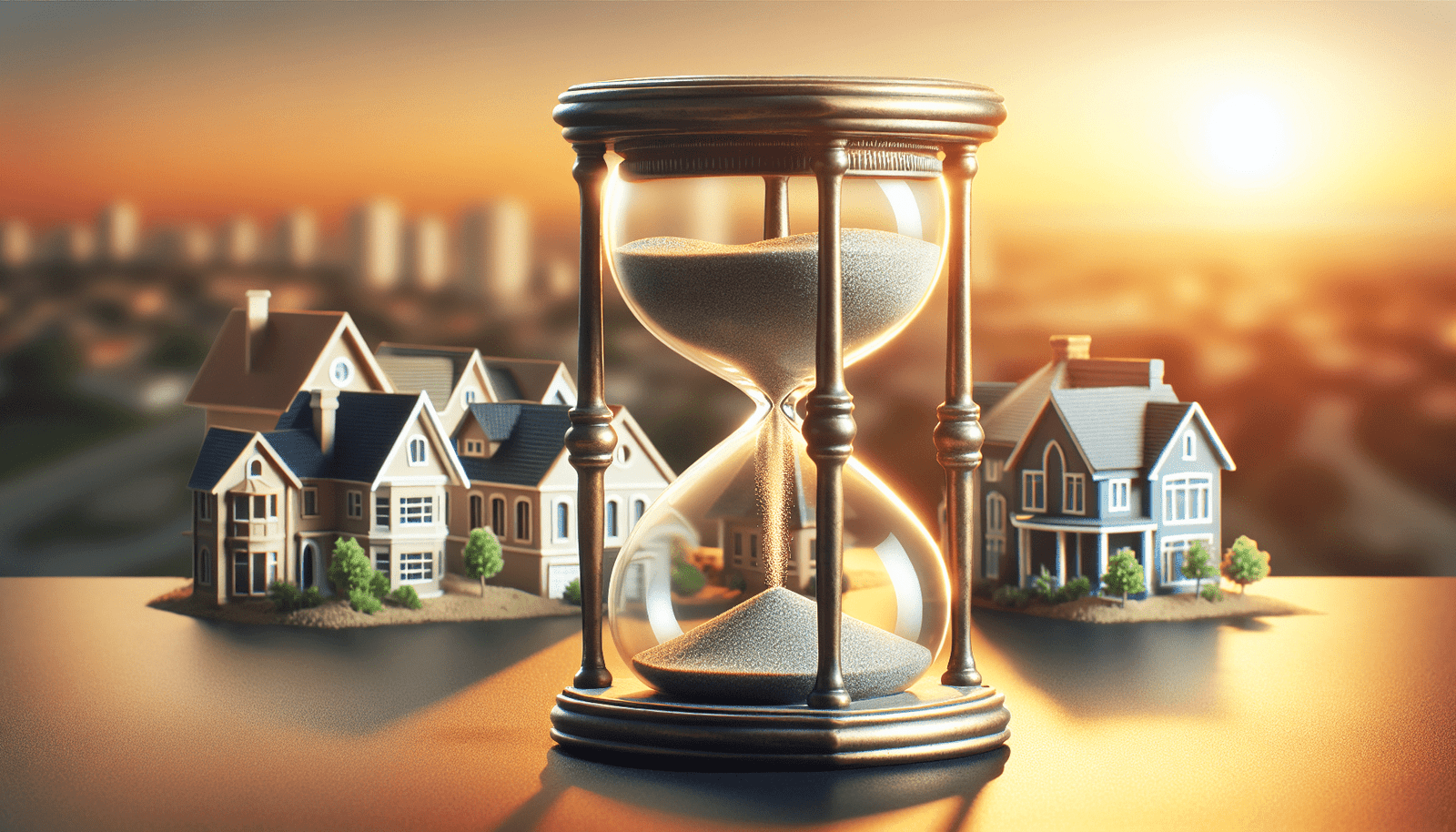
The Art of Timing: Selling Property at Its Best
Selling property can be a complex process, but mastering the art of timing can greatly increase your chances of success. To ensure your property stands out in the market, start by providing detailed information about its unique features and appeal. From there, strategically incorporate relevant keywords throughout your article to improve search visibility. Understanding your target audience is crucial, as it allows you to tailor your content to their interests and needs. Additionally, incorporating marketing strategies and tips for sellers, as well as highlighting legal and financial considerations, can provide valuable insights to potential sellers. By mastering the art of timing and optimizing your content, you can sell your property at its best.
Best Time to Sell Property
Selling a property can be a major decision, and timing plays a crucial role in ensuring a successful sale. By selling at the right time, you can maximize your chances of attracting potential buyers and securing the best possible price for your property. In this article, we will explore various factors to consider when determining the best time to sell your property.

Consider Seasonal Patterns
One important factor to consider when deciding when to sell your property is the seasonal patterns in the real estate market. Traditionally, spring and summer are considered the peak seasons for property sales. During these months, the weather is pleasant, and buyers are more motivated to go house hunting.
Spring is particularly popular as families often prefer to move during the summer months when children are on vacation. Additionally, the longer daylight hours and blooming gardens can enhance the curb appeal of your property. On the other hand, selling during the winter months can be challenging due to the holiday season and colder weather, which may deter potential buyers.
Evaluate Market Conditions
Another crucial consideration is the current market conditions. The real estate market can fluctuate, with periods of high demand (seller’s market) and periods of low demand (buyer’s market). It is essential to evaluate the market conditions in your area before listing your property for sale.
In a seller’s market, there is a scarcity of properties, and the demand exceeds the supply. This situation can work in your favor as a seller, as it often leads to multiple offers and competitive bidding. On the other hand, in a buyer’s market, there is an abundance of properties, and buyers have more negotiating power. It may be wise to hold off selling during a buyer’s market unless you have urgent reasons to sell.
Analyze Local Real Estate Trends
While national market conditions provide a broad perspective, it is equally important to analyze the local real estate trends specific to your area. Real estate markets can vary significantly from one location to another, even within the same city or state.
By studying the local trends, you can identify patterns or cycles in the market that can help you determine the best time to sell. For example, if you notice a consistent increase in property prices during a specific season or a surge in buyer activity in a particular neighborhood, it might be advantageous to time your sale accordingly.

Timing in a Seller’s Market
If you find yourself in a seller’s market, where demand is high, it is generally an ideal time to sell your property. In a seller’s market, there is often a shortage of available properties, and buyers are actively searching for homes.
During this time, you can expect a higher level of buyer interest, competitive offers, and potentially increased property values. By taking advantage of a seller’s market, you can maximize your profits and find a buyer more quickly.
Timing in a Buyer’s Market
A buyer’s market, characterized by a surplus of properties and less demand from buyers, calls for a more strategic approach to selling. In this situation, it is essential to make your property stand out and attract potential buyers in a competitive market.
Consider focusing on highlighting the unique features and qualities of your property to differentiate it from others on the market. Additionally, pricing your property competitively can help generate interest and lead to a quicker sale.
Consider Economic Factors
Beyond the real estate market, it is important to consider broader economic factors when deciding to sell your property. Economic indicators, such as job growth, interest rates, and consumer confidence, can significantly impact the demand for properties.
In a strong economy, where people feel secure in their jobs and have higher disposable incomes, there is typically increased buying power and a greater willingness to invest in real estate. Conversely, during an economic downturn, potential buyers may hold off on purchasing property, leading to less demand.
Research Interest Rate Trends
Another economic factor to consider is the trend in interest rates. Interest rates directly affect the affordability of borrowing money for potential homebuyers. When interest rates are low, buyers can secure more favorable mortgage terms, which can stimulate demand and make it an opportune time to sell.
Monitoring interest rate trends will give you insights into buyer sentiment and the level of affordability for potential buyers in the market. If interest rates are on the rise, it may be advantageous to sell before affordability decreases and buyer demand declines.
Evaluate Personal Circumstances
In addition to market and economic factors, it is important to evaluate your personal circumstances when determining the best time to sell your property. Consider your reasons for selling, such as relocating for a job, downsizing, or upgrading to a larger property.
If you have a flexible timeline and can wait for the optimal selling conditions, it may be wise to do so. However, if you have urgent reasons to sell, such as financial constraints or a significant life event, you may need to prioritize selling sooner rather than later.
Consult with Real Estate Professionals
Navigating the real estate market can be complex, and seeking guidance from real estate professionals is invaluable. Real estate agents and brokers have in-depth knowledge of the local market, experience in negotiating deals, and access to a network of potential buyers.
Consulting with a real estate professional can provide you with customized advice based on your specific property, location, and market conditions. They can provide insights into the best time to sell and help you strategize the marketing and pricing of your property to optimize your chances of a successful sale.
Consider Other Factors That Affect Property Sales
While the factors mentioned above are critical in determining the best time to sell your property, it is essential to consider other factors that can influence property sales. Factors such as local infrastructure developments, changes in zoning regulations, and planned developments in the area can impact property values and buyer interest.
Additionally, staying informed about the latest interior design and home improvement trends can help you showcase your property in the best light. By making necessary updates and renovations, you can attract potential buyers and potentially increase your property’s value.
In conclusion, selling a property requires careful consideration of various factors to maximize your chances of a successful sale. By considering seasonal patterns, evaluating market conditions, analyzing local real estate trends, and taking into account economic factors and personal circumstances, you can determine the best time to sell your property. Consulting with real estate professionals and being mindful of other factors that affect property sales will further enhance your chances of a successful and profitable property sale.