
The Ultimate Guide to Selling Property: Tips and Tricks
When it comes to selling property, providing comprehensive details is key to engage your audience and optimize your content for search visibility. Start by specifying the type of property involved, highlighting its unique features like location, architecture, history, and amenities. Including relevant keywords throughout your article, addressing the target market, and incorporating strategies and tips for sellers will help you tailor your content to resonate with potential buyers. Don’t forget to highlight the legal and financial considerations as well. By following these tips and tricks, you’ll be well-equipped to sell your property successfully.

Choosing the Right Real Estate Agent
When it comes to selling your property, one of the most important decisions you’ll make is choosing the right real estate agent. It’s essential to do your research and interview multiple agents to find the best fit for your needs. Start by asking for recommendations from friends, family, or neighbors who have recently sold their properties.
Once you have a list of potential agents, take the time to review their track record and client testimonials. Look for agents who have a strong sales history and positive feedback from previous clients. This will give you an idea of their experience and ability to deliver results.
Another crucial factor to consider is their knowledge of the local market. An agent who is familiar with your area will have a better understanding of the current market conditions and trends. They will be able to provide you with valuable insights and help you set the right asking price for your property.
It’s also important to evaluate their marketing strategies and resources. Selling a property requires effective marketing to reach as many potential buyers as possible. Ask the agents about their marketing plans, including online listings, social media promotion, and targeted ads. Consider agents who have access to professional photography and virtual tour services, as these can greatly enhance the visibility and appeal of your property.
Setting the Right Asking Price
Pricing your property correctly is crucial to attract potential buyers and maximize your chances of a successful sale. To determine the right asking price, you’ll need to do some analysis of comparable properties in your area. Look at recently sold properties that are similar in size, location, and condition. This will give you an idea of the market value and what buyers are willing to pay.
In addition to analyzing comparable properties, it’s important to consider market trends and economic conditions. Is it a buyer’s market with low demand and high inventory, or a seller’s market with high demand and limited inventory? Understanding the current market conditions will help you make an informed decision about pricing.
When setting the asking price, also factor in the unique features and upgrades of your property. Properties with desirable amenities or recent renovations may justify a higher asking price. However, be realistic and consider how these features compare to other properties in your area.
To get a more accurate valuation, consider getting a professional appraisal or valuation. An appraiser will assess your property’s condition, size, location, and comparable sales data to provide an unbiased estimate of its value. This can give you confidence in your asking price and help you negotiate with potential buyers.
Preparing the Property for Sale
To make your property more appealing to potential buyers, it’s important to prepare it for sale. Start by decluttering and depersonalizing the space. Remove personal items and excess furniture to create a clean and neutral environment that allows buyers to envision themselves living in the property.
Make necessary repairs and improvements to ensure your property is in the best possible condition. Fix any leaky faucets, peeling paint, or broken fixtures. Consider investing in minor upgrades, such as fresh paint, new flooring, or updated kitchen appliances. These small improvements can make a big difference in the perception of your property’s value.
Staging your property is another effective way to highlight its potential and make it more appealing to buyers. Consider arranging furniture and decor in a way that showcases the flow and functionality of each room. You can hire a professional home staging service to help you create an inviting and visually appealing atmosphere.

Effective Marketing Strategies
To attract potential buyers, it’s crucial to implement effective marketing strategies. Start by taking high-quality photos of your property that showcase its best features. Consider hiring a professional photographer who specializes in real estate photography. High-quality images can significantly increase the visibility and appeal of your property in listings and promotional materials.
When writing property descriptions and highlights, be compelling and provide specific details that will catch the attention of potential buyers. Highlight the unique selling points of your property, such as its location, views, amenities, or recent renovations. Use keywords and language that resonate with your target market to make your listing stand out.
Utilize online listings, social media platforms, and targeted ads to reach a wider audience. Online platforms such as real estate websites and social media platforms allow you to showcase your property to potential buyers who are actively searching for properties in your area. Consider investing in targeted ads to reach even more potential buyers who match your target market.
In addition to online marketing, consider hosting open houses and virtual tours. Open houses provide an opportunity for potential buyers to view your property in person, ask questions, and visualize themselves living in the space. Virtual tours allow buyers to view your property from the comfort of their own homes and can be especially useful in reaching out-of-town buyers.
Negotiating and Handling Offers
As offers start coming in, it’s important to navigate the negotiation process strategically. Understand the current market conditions and be realistic about the value of your property. Evaluate and counter offers strategically, keeping in mind your bottom line and priorities. A skilled negotiator, such as a real estate agent or attorney, can provide valuable guidance and help you negotiate the best deal.
Consider contingencies and inspection periods that may be included in the offers. Contingencies are conditions that must be met for the sale to proceed, such as financing or a satisfactory home inspection. Be aware of the timeframes and requirements associated with these contingencies and consult with a real estate attorney for legal guidance.
Navigating the Closing Process
Once you’ve accepted an offer, it’s time to navigate the closing process. Ensure all necessary paperwork is in order, including the purchase agreement, disclosures, and title documents. Coordinate with the buyer’s lender and title company to ensure a smooth transfer of funds and ownership.
Schedule a professional home inspection and appraisal to verify the condition and value of your property. Review and negotiate closing costs and fees to ensure a fair and transparent transaction. It’s important to be aware of any legal obligations or disclosures that need to be made during the closing process.
Legal and Financial Considerations
Selling a property involves various legal and financial considerations. Understand the tax implications and potential capital gains associated with the sale of your property. Consult with a tax professional or accountant to ensure you are aware of any tax obligations and can plan accordingly.
Estimate potential closing costs and expenses associated with the sale, such as real estate agent commissions, title fees, and transfer taxes. Being aware of these costs can help you budget effectively and avoid any surprises during the closing process.
Be aware of any legal obligations or disclosures that you need to make as a seller. Depending on your jurisdiction and the specifics of your property, this may include informing potential buyers about issues such as lead-based paint, previous repairs, or property line disputes. Consult with a real estate attorney to ensure you fulfill all legal requirements.
Effectively Communicating with Potential Buyers
When interacting with potential buyers, it’s essential to communicate effectively to build trust and showcase the value of your property. Respond promptly to inquiries and showing requests to demonstrate your commitment and professionalism. Be honest and transparent about the property’s condition, addressing any questions or concerns buyers may have.
Highlight the unique selling points of your property and emphasize how it meets the needs and desires of potential buyers. Whether it’s the location, amenities, or special features, be sure to showcase what sets your property apart from others on the market.
Address any concerns or objections buyers may have. If there are any potential drawbacks or issues, be prepared to provide solutions or concessions that can alleviate their concerns. Open and honest communication can go a long way in building trust and facilitating a successful sale.
Negotiating the Best Deal
When it comes to negotiating the best deal for your property, it’s important to know your bottom line and priorities. Understand the value of your property and be prepared to negotiate based on market conditions and buyer demand.
Consider non-monetary concessions or incentives that you can offer to sweeten the deal. This could include covering closing costs, offering a home warranty, or including certain furniture or appliances in the sale. These concessions can make your offer more attractive to potential buyers and increase the likelihood of a successful negotiation.
While it’s important to stay flexible during negotiations, it’s also crucial to be firm on your priorities and non-negotiables. Working with a skilled negotiator, such as a real estate agent or attorney, can be invaluable in navigating the negotiation process and ensuring you achieve the best possible outcome.
Closing the Sale
Once negotiations are complete and both parties have agreed on the terms, it’s time to close the sale. Coordinate with the buyer’s lender and title company to finalize the necessary paperwork and transfer ownership.
Prepare for the final walkthrough and closing day by ensuring your property is in the agreed-upon condition and that all agreed-upon repairs or improvements have been completed. Sign necessary documents, such as the closing statement and transfer of ownership documents, to officially close the sale.
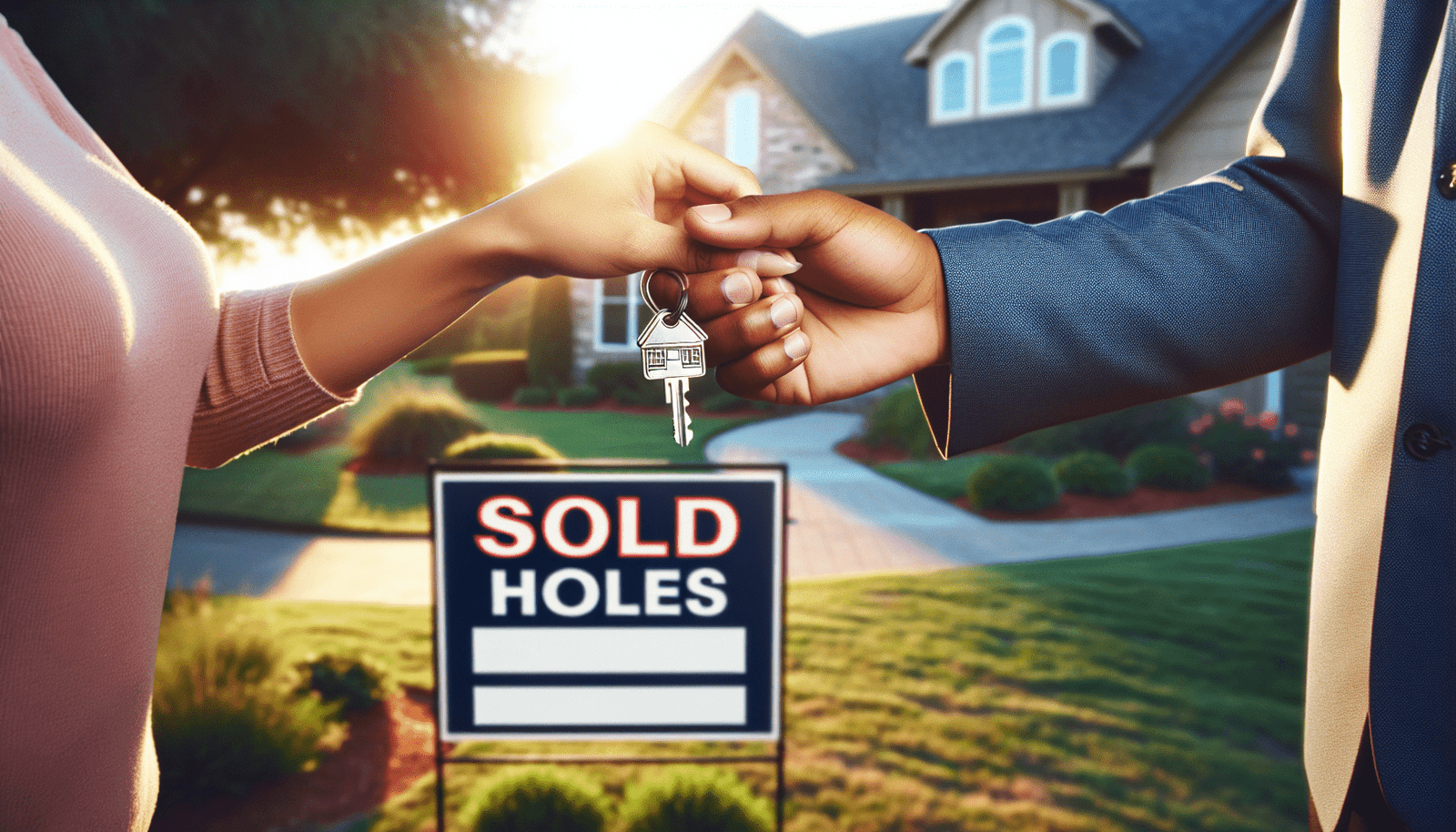
Ensure a smooth transfer of funds and property keys by confirming the details with the buyer’s lender and following the instructions provided by the title company. It’s important to be organized and responsive during this process to avoid any delays or complications.
Selling a property can be a complex process, but with the right strategies and guidance, it can also be a rewarding experience. By researching and interviewing potential agents, setting the right asking price, preparing the property for sale, implementing effective marketing strategies, navigating negotiations, and successfully closing the sale, you can achieve a successful and satisfying transaction. Remember to consider the legal and financial implications of the sale and effectively communicate with potential buyers to build trust and showcase the value of your property. With careful planning and execution, you can sell your property with confidence and achieve your goals.