
Tips for Selling Property Without an Agent
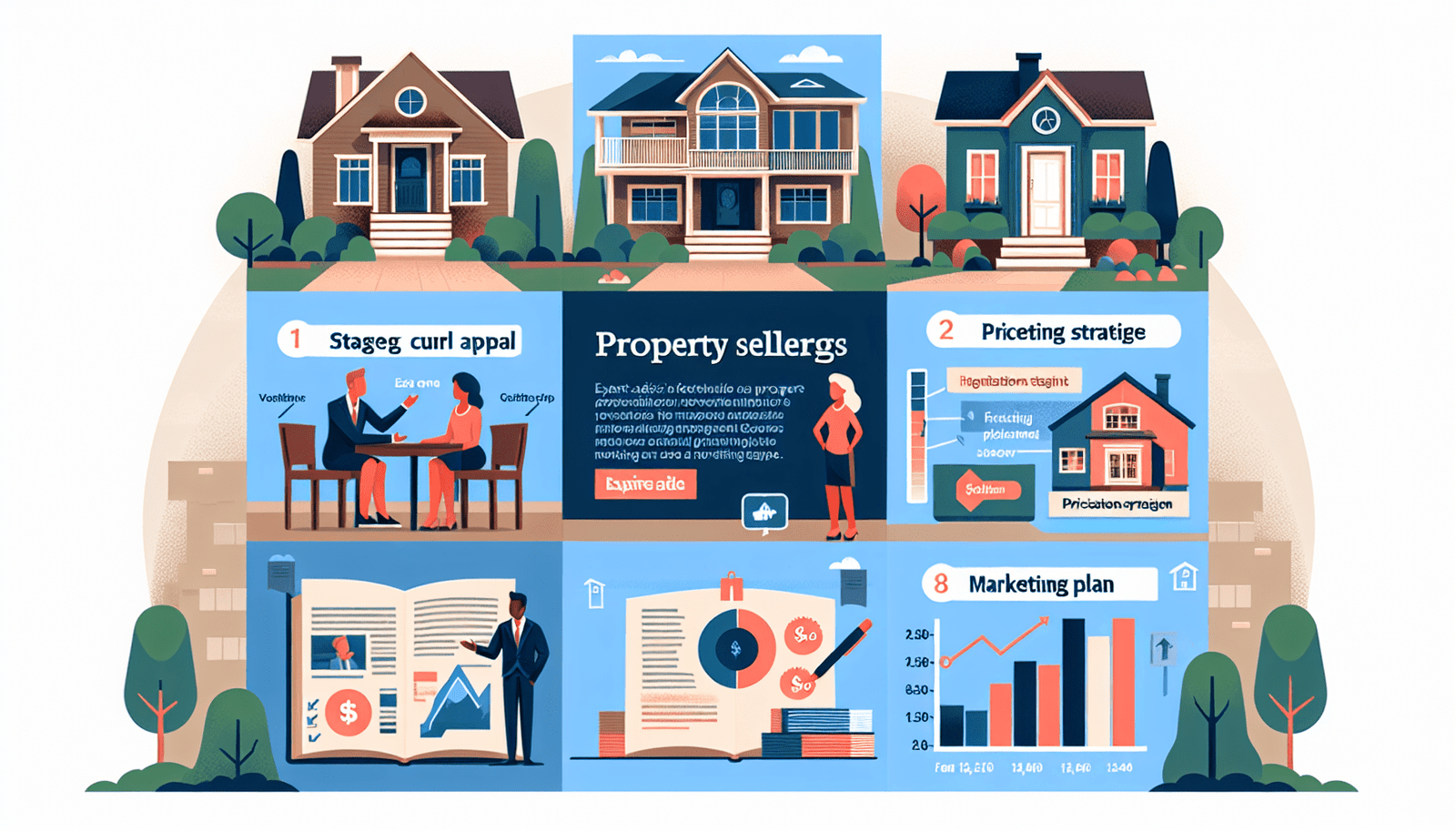
Selling your property without the help of an agent may seem like a daunting task, but with the right tips and strategies, it can be a successful endeavor. In this article, we will explore ways to effectively engage your audience and optimize your content for search visibility, including providing comprehensive details about your property’s unique features and using relevant keywords. We will also discuss how to identify your target market and tailor your content to their specific interests and needs. Additionally, we will provide valuable insights into staging your property, pricing strategies, the importance of professional photography, and leveraging online platforms or real estate agents for broader market reach. Whether you’re a first-time homebuyer, luxury property investor, or commercial real estate developer, these tips will help you navigate the process of selling your property without an agent.
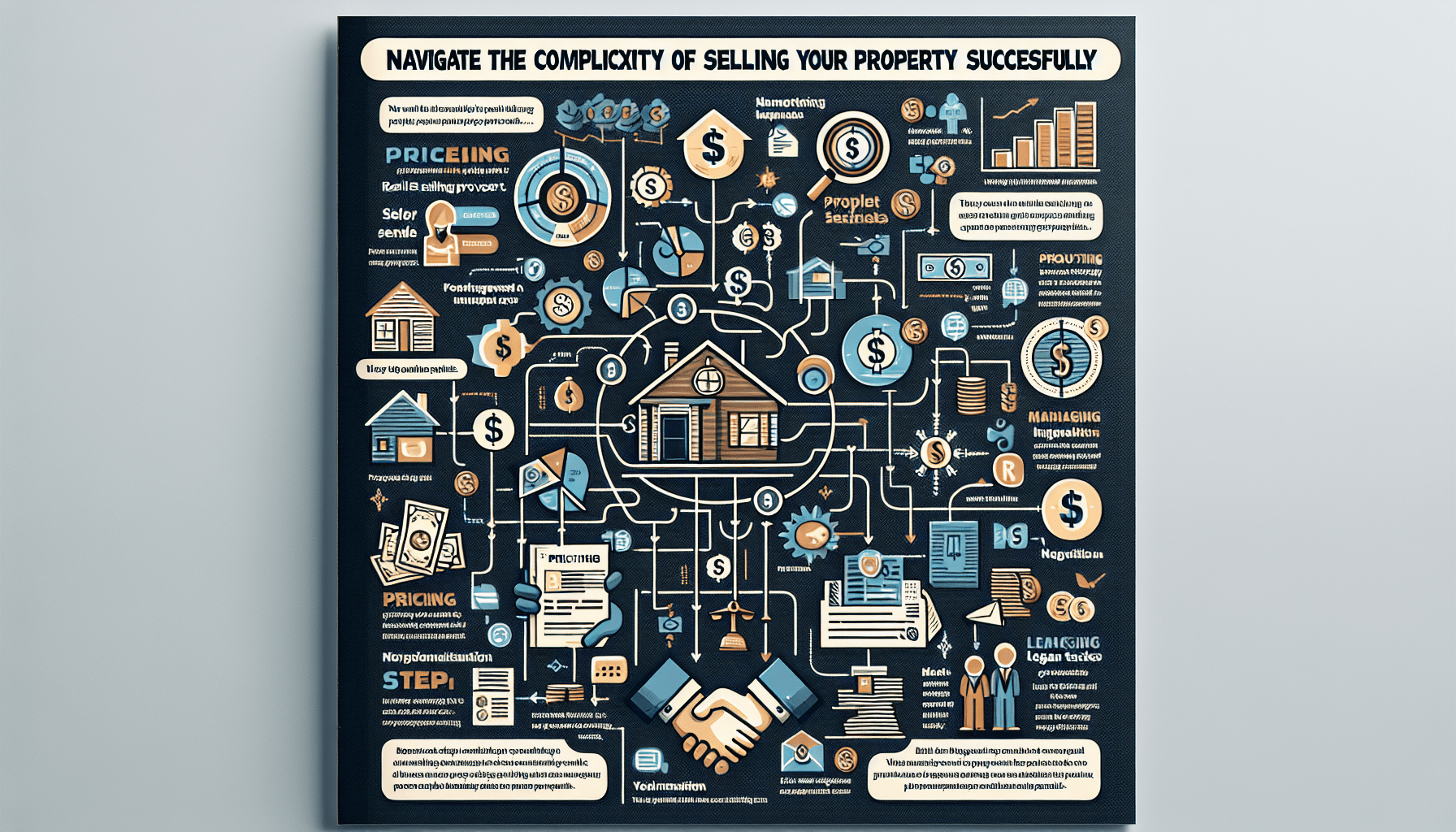
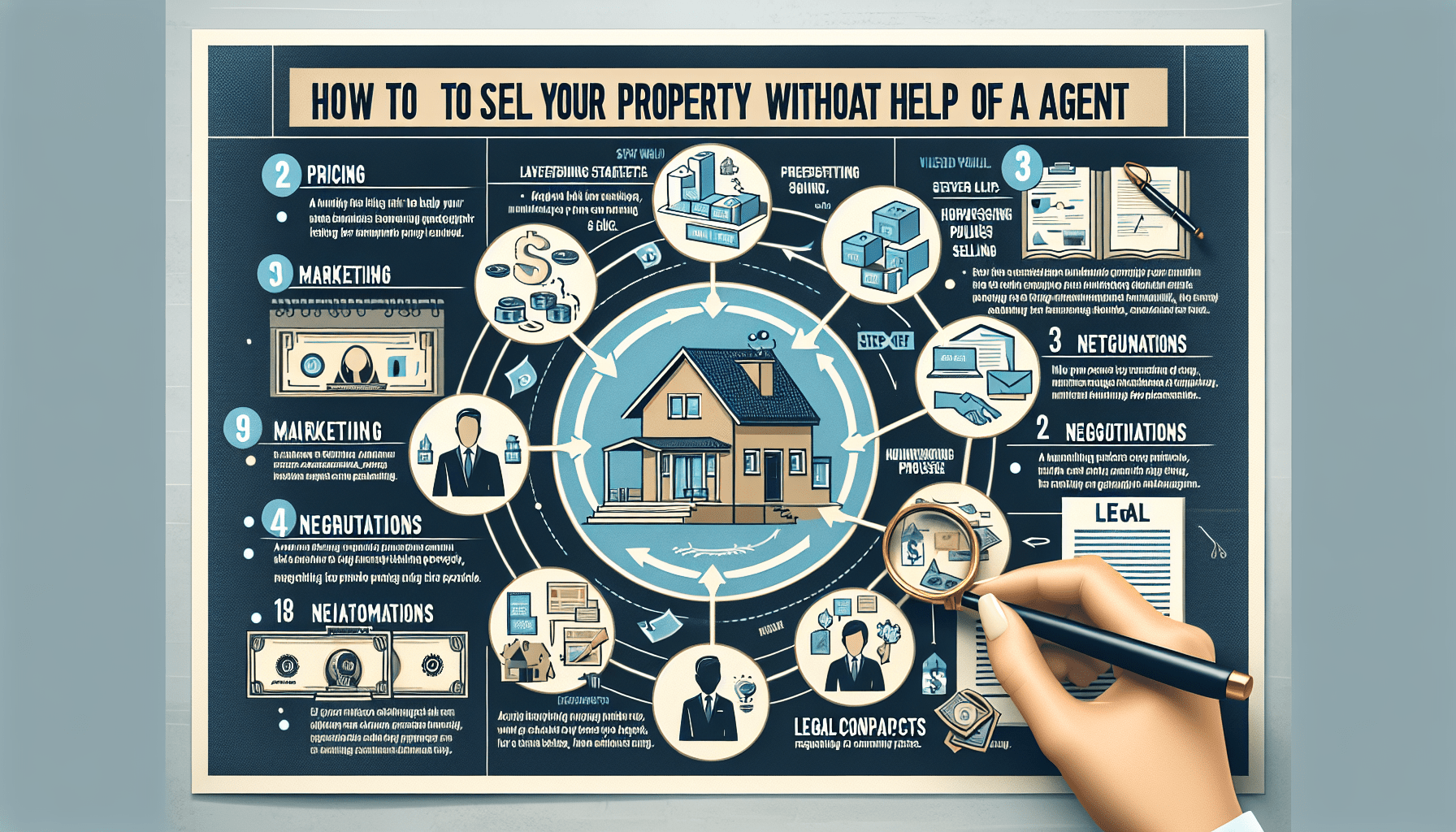
When it comes to selling a property without an agent, there are several important factors to consider. By following a comprehensive approach, you can maximize your chances of success and attract potential buyers. In this article, we will guide you through the essential steps to effectively sell your property on your own.
Identify Your Target Market
To begin the selling process, it is crucial to identify your target market. Conduct thorough research and analyze the demographics and preferences of potential buyers who would be interested in your property. Understanding their needs and interests will help you tailor your marketing strategies and attract the right audience. Additionally, consider the type of property you are selling and its unique features that would appeal to your target market. Highlighting these aspects in your marketing efforts can significantly increase buyer interest.
Setting the Right Price
Pricing your property correctly is essential to attract potential buyers and sell your property in a timely manner. To determine a competitive asking price, research comparable properties in the area. Look at recent sales data and consider market trends and demand. By analyzing these factors, you can set a realistic and attractive price that aligns with market expectations. It is also essential to factor in any renovations, upgrades, or special features that may increase the value of your property.
Preparing Your Property
Before listing your property for sale, it is vital to ensure that it is in the best possible condition. Start by thoroughly cleaning and decluttering your property to create a positive first impression. A neat and organized space will help potential buyers visualize themselves living in the property. Additionally, consider staging your property to showcase its potential. By strategically arranging furniture and decor, you can highlight the property’s best features and create an inviting atmosphere. Making necessary repairs and improvements will enhance the overall condition of your property and make it more appealing to potential buyers.
Professional Photography and Virtual Tours
High-quality visuals are crucial in capturing the attention of potential buyers. Consider hiring a professional photographer to take appealing photos that showcase your property in the best light. Professional photography will emphasize the property’s unique features, architecture, and overall aesthetic appeal. In addition to photos, utilize virtual tour technology to provide an immersive online experience for potential buyers. Virtual tours allow buyers to explore the property virtually and get a realistic sense of the space. By incorporating visual media, you can create a compelling and engaging listing that stands out to buyers.
Marketing and Advertising Strategies
Creating an appealing listing description is key to attracting potential buyers. Emphasize the property’s strengths, such as its location, amenities, and unique features, in your listing. Utilize online platforms and social media to reach a wider audience. Popular real estate platforms offer a vast reach and provide the opportunity to showcase your property to interested buyers. Additionally, consider traditional advertising methods, such as local newspapers or real estate magazines, to ensure maximum exposure. By implementing a diverse marketing and advertising strategy, you increase your chances of reaching potential buyers and generating interest in your property.
Negotiating and Closing the Deal
As potential buyers show interest in your property, it is crucial to be prepared for negotiations. Understand the value of your property and be open to reasonable offers. Familiarize yourself with the legal and financial aspects involved in the selling process to ensure a smooth transaction. If needed, consider hiring a real estate attorney to guide you through the negotiation and closing process. Their expertise can help protect your interests and ensure that all legal requirements are met.

Handling Inquiries and Showings
Prompt and professional communication is essential when responding to inquiries from potential buyers. Be available to answer any questions they may have and provide additional information about your property. When scheduling showings, try to accommodate potential buyers’ preferences and showcase the property’s best features. Consider using open houses or virtual showings to reach a larger audience. These strategies provide opportunities for potential buyers to explore the property and envision themselves living there.
Making Strategic Upgrades and Repairs
Identifying necessary repairs and upgrades that can increase your property’s value is crucial. Prioritize repairs and improvements based on their potential return on investment. Consult professionals such as contractors or interior designers if needed to ensure that the upgrades are cost-effective and align with current market trends. By making strategic upgrades and repairs, you can enhance your property’s appeal and attract a broader range of potential buyers.
Utilizing Online Real Estate Platforms
Online real estate platforms offer a valuable opportunity to reach a wide audience of potential buyers. Create compelling listings on popular platforms and include thorough descriptions, high-quality images, and virtual tour links. Respond promptly to inquiries and engage with potential buyers through the platform to maintain their interest. Utilizing online platforms allows you to showcase your property effectively and increase the visibility of your listing.
Understanding Legal and Financial Considerations
To ensure a successful sale, it is crucial to understand the legal and financial aspects involved. Familiarize yourself with local property laws and regulations to ensure compliance throughout the process. Consult with a real estate attorney who specializes in property transactions to protect your interests and ensure a smooth transaction. Additionally, familiarize yourself with the financial aspects such as taxes, closing costs, and potential contingencies. By understanding these considerations, you can navigate the selling process confidently and avoid any potential pitfalls.
In conclusion, selling your property without an agent requires careful planning and execution. By identifying your target market, setting the right price, preparing your property, utilizing professional photography and virtual tours, and implementing effective marketing strategies, you can attract potential buyers and increase the chances of a successful sale. It is essential to handle inquiries and showings professionally and prioritize necessary repairs and upgrades to enhance your property’s value. By utilizing online real estate platforms and understanding the legal and financial considerations, you can navigate the selling process confidently and achieve your desired outcomes.