
Tips for Selling Residential Homes
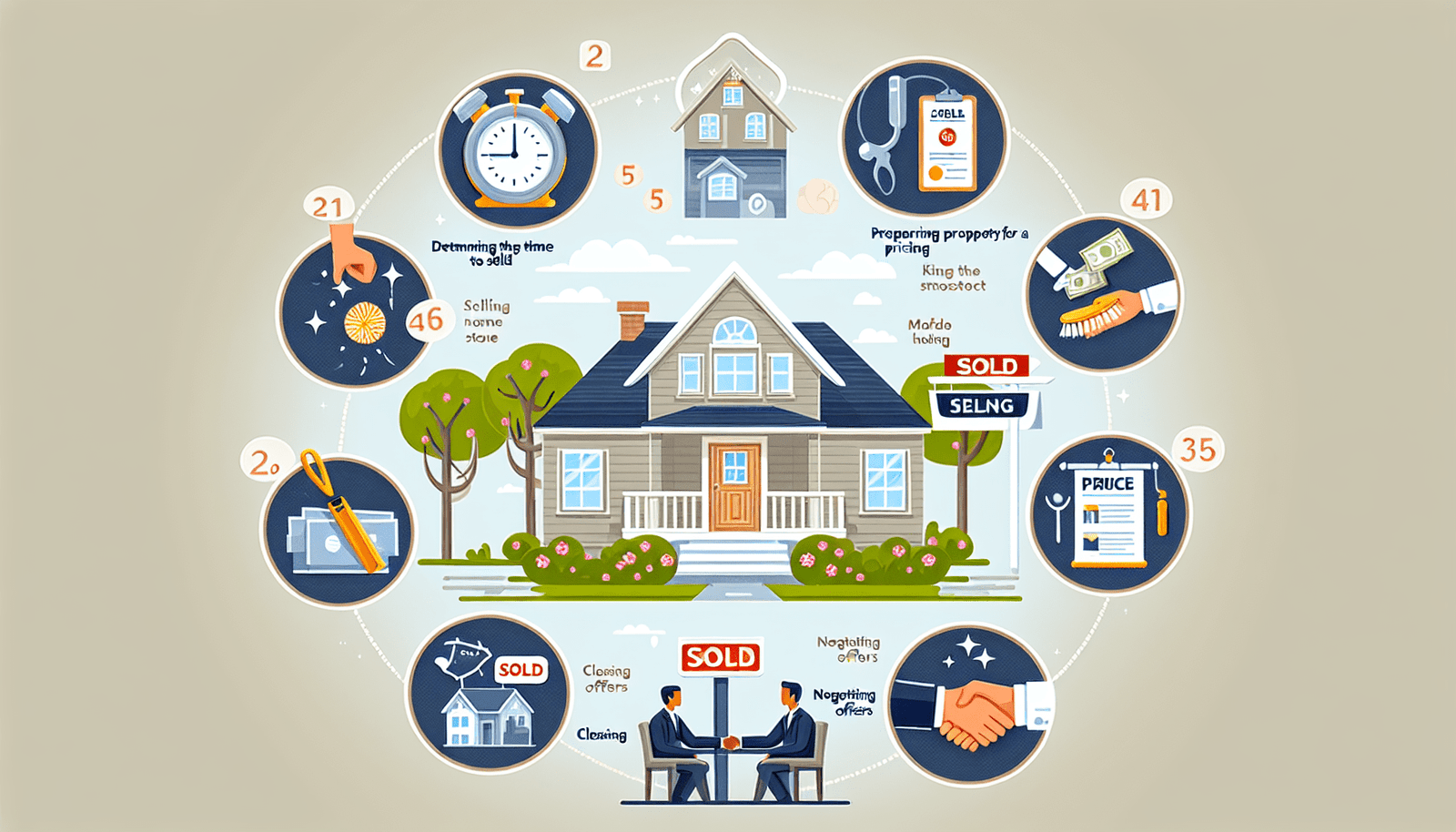
When it comes to selling residential homes, providing comprehensive details is essential to engage your audience effectively and increase search visibility. Start by describing the type of property, highlighting unique features like location, architecture, history, and amenities that can impact buyer interest and property value. Incorporate relevant keywords throughout your article, such as high-end brand names, architect or builder names, and proximity to notable locations or community features. Additionally, identify the target market for your property sale to tailor your content to their specific interests and needs. Lastly, offer strategies and tips for sellers, including staging the property, pricing strategies, utilizing professional photography, and leveraging online platforms or real estate agents for wider market reach. Don’t forget to address the legal and financial considerations involved in property transactions to provide valuable insights to potential sellers. With these tips, you can enhance your selling process and increase your chances of success.

Know Your Property
When selling a property, it is important to have a comprehensive understanding of its unique features, history, and architecture. Begin by specifying the type of property you are selling, whether it is a residential home, commercial building, vacation property, or investment real estate. By clearly stating the type of property, you can attract the right audience and ensure that your content is optimized for search visibility.
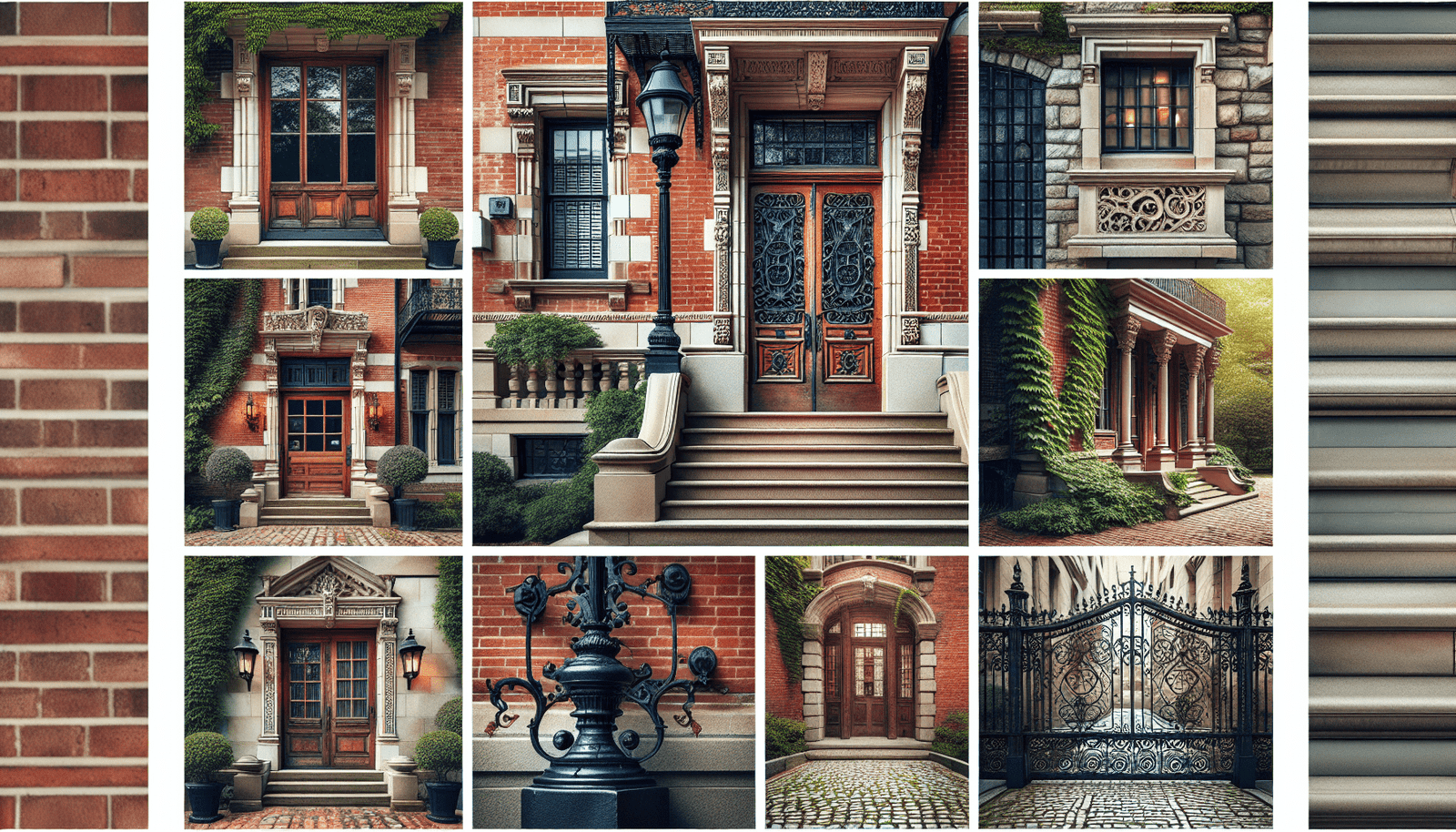
Highlighting the unique features of your property is essential in capturing the interest of potential buyers. Consider mentioning its location, architecture, history, and amenities. For example, if your property is located near a popular landmark or desirable community feature, such as being within walking distance to Central Park or having access to a community pool, be sure to showcase these attributes. These features can significantly influence buyer interest and the perceived value of the property.
Don’t forget to mention any brand names of appliances or materials used in the property. High-end appliances or renowned architect or builder names can add perceived value and attract buyers who appreciate quality and craftsmanship. By including these details in your description, you provide potential buyers with valuable information that they can use to make their purchasing decisions.
Keywords and Descriptions
To increase the visibility of your property listing online, it is essential to incorporate relevant keywords throughout your article. Research popular keywords related to your property’s location, features, and target audience, and integrate them naturally into your content. This will help potential buyers find your listing when they search for specific criteria.
In addition to keywords, it can be helpful to mention the brand names of appliances or materials used in the property. For example, if your property features Bosch appliances or high-quality marble countertops, be sure to include these details in your description. This can attract buyers who are specifically looking for properties with these premium features.
Another effective strategy is to highlight the proximity of your property to landmark locations or desirable community features. Consider mentioning if the property is within walking distance to popular attractions, shopping centers, schools, or parks. By showcasing the convenience and accessibility of your property, you can increase its appeal to potential buyers.
Identify Target Market
Before crafting your content, it is important to define your target audience. Are you targeting first-time homebuyers, luxury property investors, or commercial real estate developers? Understanding your target market allows you to tailor your content to resonate with their interests and needs.
For example, if you are targeting first-time homebuyers, focus on highlighting the affordability, practicality, and potential for growth that your property offers. Provide information on nearby schools, amenities, and transportation options to appeal to young families or individuals looking for their first home.
On the other hand, if you are targeting luxury property investors, emphasize the exclusivity, architectural design, and high-end features of your property. Showcase the prestige and luxury that comes with owning your property, and mention any key selling points that would appeal to this particular market segment.
By understanding your target market and customizing your content accordingly, you can create a more compelling and persuasive listing that resonates with potential buyers.
Effective Marketing Strategies
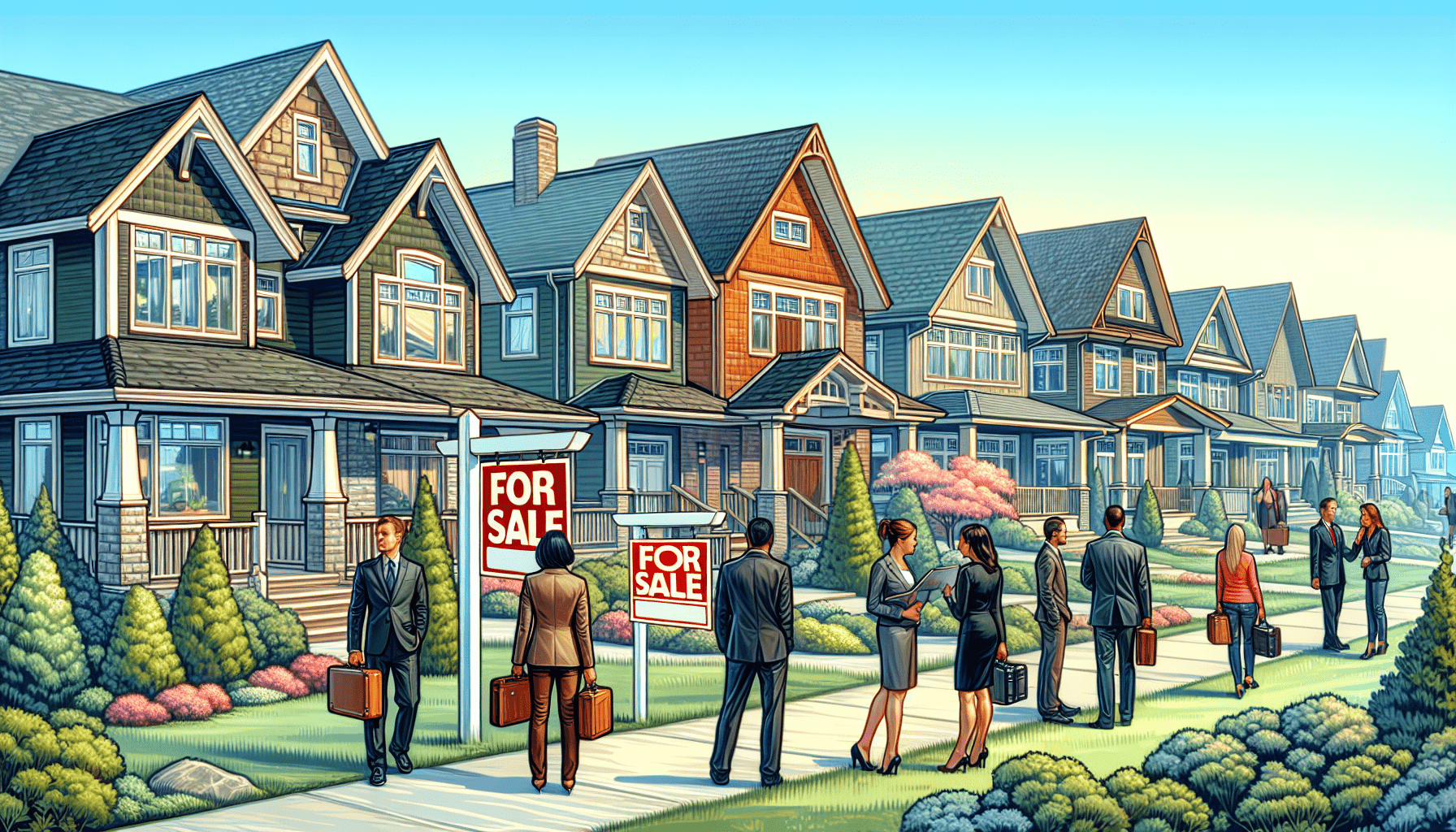
To maximize the visibility and appeal of your property, it’s crucial to employ effective marketing strategies. Consider staging the property to showcase its potential. By arranging furniture, adding tasteful decor, and creating an inviting atmosphere, you can help potential buyers envision themselves living in the space.
Investing in professional photography is another key strategy to enhance the appeal of your property. High-quality visuals can instantly capture the attention of potential buyers and highlight the property’s best features. Make sure to showcase the property from different angles and capture both interior and exterior shots to provide a comprehensive view.
Leveraging online platforms and real estate agents is essential for reaching a broader market. List your property on popular real estate websites and utilize social media platforms to promote your listing. Collaborating with experienced real estate agents can also expand your reach and tap into their network of potential buyers.
By implementing these marketing strategies, you can increase the exposure of your property and attract more potential buyers.
Pricing and Negotiation
To determine the appropriate price for your property, it is important to research the local market trends. Consider the prices of comparable properties in the area and evaluate the demand for similar properties. This will give you a baseline for setting a competitive and realistic price.
However, pricing is not set in stone and flexibility is key during negotiations. Evaluate buyer demands and adjust your price accordingly to attract more offers. Be prepared for negotiation and counteroffers, and weigh the pros and cons of each offer before making a decision.
It is important to keep in mind that pricing decisions should be based on market conditions and buyer feedback. By staying informed and adaptable, you can navigate the negotiation process with confidence.
Legal and Financial Considerations
When selling a property, it is essential to consider the legal and financial implications involved. Understand the tax implications of the sale and be prepared to inform potential buyers about any potential tax liabilities. Discussing the potential closing costs, such as transfer taxes, legal fees, and title insurance, can also ensure that both parties are well-informed.
Inform potential buyers about inspection contingencies and recommend that they obtain a professional inspection before finalizing the purchase. This helps protect both parties and ensures that any issues are addressed before the sale is completed.
It is strongly recommended to seek professional legal advice during the selling process. A real estate attorney can guide you through the legal and financial considerations, review contracts, and ensure that all necessary documentation is in order.
By addressing these legal and financial considerations upfront, you can provide potential buyers with the information they need to make informed decisions and build trust in the selling process.
Presentation and Home Staging
To make a great impression on potential buyers, it is important to ensure that your property is presented in its best possible light. Start by ensuring cleanliness and organization throughout the property. A clean and tidy space conveys a sense of pride in ownership and allows potential buyers to envision themselves living there.
Depersonalize the space by removing personal items such as family photos and memorabilia. This helps potential buyers feel more comfortable and allows them to imagine their own belongings in the space.
Maximize natural light by opening curtains or blinds and consider adding additional lighting if needed. A well-lit space can make rooms appear larger and more inviting.
Take the time to address any minor repairs or maintenance issues. Replace burnt-out lightbulbs, fix leaky faucets, and touch up any chipped paint. These small details can make a big difference in the overall impression of the property.
Effective Listing and Advertising
When creating your property listing, focus on writing compelling descriptions that highlight the unique features and benefits of your property. Use descriptive language to create a vivid picture for potential buyers and emphasize the value that your property offers.
Utilize high-quality, eye-catching visuals to accompany your listing. Invest in professional photography to showcase the property in its best light and capture the attention of potential buyers. Consider including a mix of interior and exterior shots to provide a comprehensive view of the property.
Feature your property on popular real estate websites to increase its exposure. These platforms attract a large number of potential buyers and provide a convenient way for them to search for properties. Take advantage of targeted online advertising to reach a specific audience that may be interested in your property.
By creating an effective listing and utilizing various advertising channels, you can increase the visibility of your property and attract more potential buyers.
Open Houses and Showings
Preparing your property for open houses and showings is crucial to making a positive impression on potential buyers. Start by maximizing curb appeal, as the exterior of your property is the first thing people will see. Ensure that the lawn is well-maintained, the driveway is clear, and the entrance is welcoming.
During tours or showings, highlight the key selling points of your property. This could include unique architectural features, updated appliances, spacious rooms, or any other attributes that make your property stand out. Be prepared to answer questions and provide additional information when requested.
For remote buyers or those unable to attend in person, consider offering virtual tours of your property. This allows potential buyers to explore the space from the comfort of their own homes and can greatly expand your reach.
Communication and Follow-up
Throughout the selling process, it is important to stay responsive to inquiries and requests. Promptly answer emails, phone calls, and messages to show potential buyers that you are attentive and interested in their inquiries.
Provide timely updates to interested parties regarding any changes or offers received. Keeping potential buyers informed helps maintain their interest and shows professionalism.
Maintain a professional and friendly communication style throughout the process. Be courteous, respectful, and accommodating when scheduling showings or discussing negotiation terms. Building a positive rapport with potential buyers can greatly influence their perception of you as a seller.
Finally, follow up after showings or negotiations to gauge potential buyer interest or to address any outstanding questions or concerns. This proactive approach demonstrates your commitment to ensuring a smooth and successful selling process.
By adopting effective communication and follow-up practices, you can build trust with potential buyers and foster positive relationships that may lead to a successful sale.